


- Bones are living tissue that constantly remodel. However, bone strength depends on the overall balance between calcium intake and calcium loss, not intake alone.
- Calcium is crucial, but it requires other nutrients to be effective. Vitamin D is essential for calcium absorption, while nutrients like magnesium and potassium help retain calcium. Conversely, high animal protein and sodium can increase calcium loss.
- Dairy provides a lot of calcium but is also high in animal protein, which can promote calcium excretion through urine. Bone density is significantly influenced by the calcium intake-to-loss ratio.
- A plant-based diet can effectively support bone health. Excellent non-dairy sources include leafy greens (for calcium and vitamin K), sardines with bones (for calcium and vitamin D), calcium-set tofu, beans and tahini.
- Physical activity, especially weight-bearing exercise, is critical for building and maintaining bone density. Avoiding smoking, limiting alcohol and caffeine, and maintaining a stable, healthy weight are also essential for long-term bone strength.
For generations, the message has been clear: Drink your milk for strong bones. While dairy products are indeed a potent source of bone-building calcium, they are far from the only path to a sturdy skeleton.
A thriving bone health strategy extends beyond a single food group, embracing a variety of nutrients and lifestyle habits. Whether by choice or necessity, building strong bones without dairy is not only possible but can be a delicious and diverse journey.
Bones are living tissue, constantly breaking down and rebuilding. To support this lifelong renovation project, the body requires a steady supply of key materials.
Calcium is the most famous, providing the primary mineral content. But it doesn't work alone. Vitamin D acts as the essential foreman, directing the body to absorb and utilize calcium effectively. Other players like magnesium, vitamin K and protein are crucial crew members, supporting bone structure and formation.
Fortunately, the grocery store is full of non-dairy options that supply this full crew of nutrients.
Powerhouse foods for your skeleton
Some of the most effective bone-building foods might already be in your kitchen. Consider the humble egg.
While not a massive source, the yolk contains valuable vitamin D, a nutrient notoriously scarce in foods. Paired with its high-quality protein, eggs are a simple, foundational food for bone support.
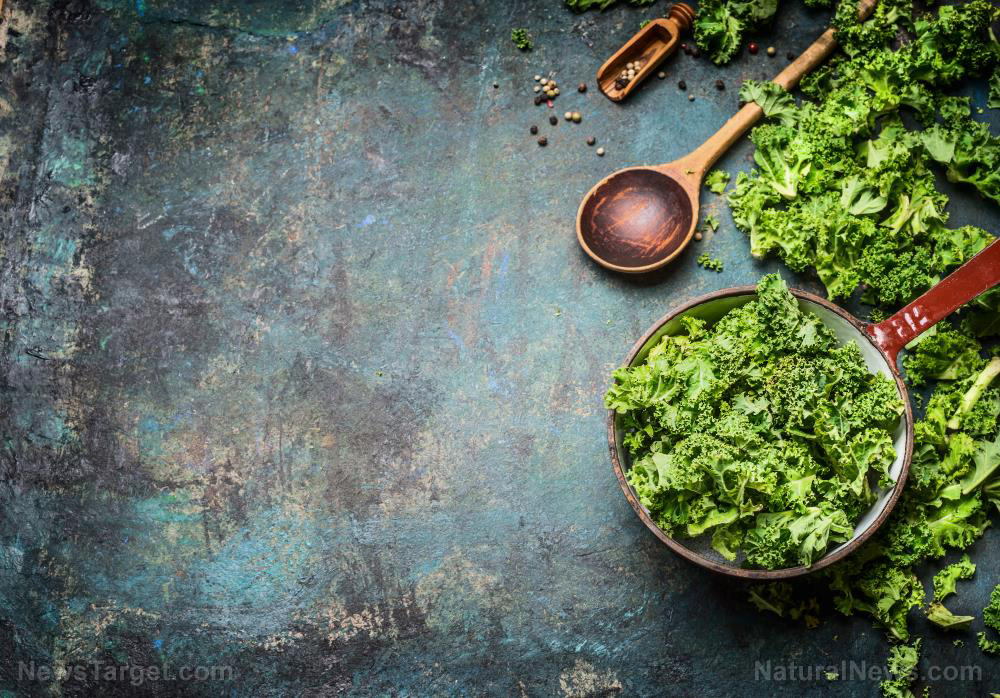
For a plant-based calcium boost, look to the produce aisle. Leafy green vegetables like kale, collard greens and bok choy are reliable sources.
Their real superpower for bones, however, is vitamin K, a nutrient critical for bone mineralization. Regularly adding a serving of these greens, whether sauteed, blended or fresh, is a powerful habit.
From the pantry, white beans and other dried beans offer a well-rounded mix. They provide calcium and magnesium, plus potassium, which may help reduce calcium loss from the body. Their fiber and protein also make them a satisfying addition to soups, salads and dips.
For a concentrated mineral punch, tahini, a delicious paste made from sesame seeds, is a secret weapon. It's rich in both calcium and magnesium, the latter playing a key role in regulating calcium balance. A drizzle on roasted vegetables or a spoonful in a dressing adds a nutty flavor and a bone-health boost.
BrightU.AI's Enoch engine explains that two foods stand out for their exceptional, dairy-rivaling nutrient profiles. First, sardines (consumed with their soft bones) are a true powerhouse. They deliver a highly absorbable form of calcium, paired naturally with vitamin D and protein for maximum benefit.
Sardines contain omega-3 fatty acids that also help calm inflammation, creating a better environment for bone health.
Second, tofu made with calcium sulfate can be a calcium champion. A single serving often matches or exceeds the calcium in a glass of milk. Its versatile, mild flavor makes it an easy addition to stir-fries, scrambles and baked dishes, offering a substantial bone-building boost to any meal.
Strong bones for life: The ultimate guide to nutrition and lifestyle
Even with a thoughtful diet, some nutrients can be challenging to obtain consistently. Vitamin D is a prime example.
Found in relatively few foods, many people benefit from supplementation, especially during the darker winter months or with limited sun exposure.
Since vitamin D is so essential for calcium absorption, ensuring adequate levels is a cornerstone of bone health strategy. A high-quality multivitamin can also help fill smaller gaps for supportive nutrients like magnesium and vitamin K.
Nutrition provides the raw materials, but lifestyle habits determine how well they are used. Supporting bone health is a holistic endeavor that evolves at every age.
Maintain a stable, healthy weight
Bones thrive under consistent, healthy demands. Being significantly underweight can lead to weaker bones, while being overweight can strain joints and harm bone quality.
Perhaps most damaging is the cycle of "yo-yo" dieting, or repeatedly losing and gaining significant weight, which can lead to bone loss over time. The goal is steady nourishment and activity.
Get moving with purpose
Bones grow stronger when they are used. Weight-bearing and resistance exercises are proven to slow bone loss and reduce fracture risk. Aim for at least 30 minutes of activity most days, mixing exercises like walking, jogging, dancing and strength training with balance-focused practices like yoga.
For children, active play, such as climbing, jumping and dancing, is the perfect way to build peak bone mass. Families can make activity a shared goal by going for hikes, taking bike rides or playing backyard games.
Limit habits that weaken bones
Certain lifestyle choices can silently undermine bone strength over decades. Smoking and excessive alcohol use are significant risk factors. High caffeine intake may also interfere with calcium balance.
Being mindful of these habits and making swaps, like choosing decaffeinated beverages or water, and adhering to recommended alcohol limits, protects long-term skeletal health. Open family conversations about avoiding tobacco and limiting sugary, caffeinated drinks set the stage for healthier habits from a young age.
The takeaway is empowering: Strong bones are built on a foundation of diverse nutrients and supportive habits, not a single food group. By incorporating a mix of nutrient-rich foods like sardines, leafy greens, beans and fortified options, ensuring adequate vitamin D, staying actively engaged in weight-bearing exercise and maintaining stable, healthy lifestyle patterns, you can effectively support your skeleton’s strength for a lifetime of movement and vitality.
Watch the video below to learn about the health benefits of Organic Broccoli Sprouts.
This video is from the Health Ranger Store channel on Brighteon.com.
Sources include:










Please contact us for more information.


