



- American households are feeling immediate financial strain from rapidly rising gasoline prices, with 55% of Americans reporting an impact on their budgets and 21% experiencing a significant effect.
- The price surge is directly caused by Middle East conflict, specifically Iran's effective closure of the critical Strait of Hormuz, a chokepoint for 20% of global oil supply, which sends shockwaves through international markets.
- The economic risks are severe and global: a prolonged blockade could remove 5 million barrels of oil per day, potentially tripling crude prices and pushing U.S. and European gasoline prices to $7-$10 per gallon.
- The U.S. faces a dangerous military dilemma, as securing the Strait could require operations against Iran, risking a major escalation that would worsen the very disruption it aims to solve.
- The crisis poses a major political threat to the administration, undermining its economic promises, driving public pessimism and making gas prices a pivotal issue for voters concerned about the cost of living.
A new conflict in the Middle East is delivering an immediate economic shock to American kitchen tables, as sharply rising gasoline prices strain household budgets and fuel political anxiety. According to a recent national poll, a majority of Americans report their finances are already being impacted by the surge at the pump, a direct consequence of global oil market turmoil following military escalations. With the critical Strait of Hormuz disrupted and fears of a prolonged crisis growing, experts warn that the economic fallout on U.S. consumers has only just begun, posing a significant challenge to an administration that promised renewed prosperity.
A direct hit to household budgets
The financial pressure is a present reality for millions. A Reuters/Ipsos survey reveals that 55% of Americans say their household finances have been at least somewhat affected by climbing fuel costs, with 21% reporting a significant impact. This surge compounds high costs for housing and food, forcing difficult daily trade-offs. The average price of a gallon of gasoline has jumped nearly a dollar in a matter of weeks, a rapid increase that leaves little room for adjustment in tightly managed budgets.
The geopolitical spark igniting the price surge
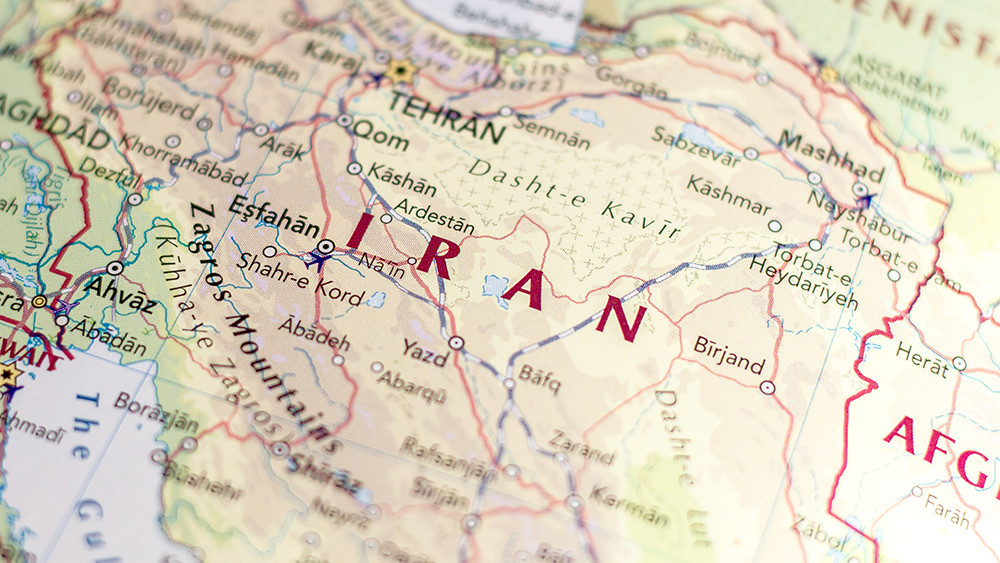
This domestic pain originates from a geopolitical flashpoint thousands of miles away. The current spike was triggered by a series of military actions, including U.S. and Israeli strikes on Iran and Iranian retaliation against regional energy infrastructure. The most consequential act, however, has been Iran's effective closure of the Strait of Hormuz. This narrow sea passage is the world's most important oil transit chokepoint, with about one-fifth of global supply flowing through it daily. Its disruption sends instant shockwaves through international markets, driving up the benchmark price of crude oil, which dictates what Americans pay for gasoline.
The stakes are extremely high. Oil prices have surged on news of the evacuation, reflecting market jitters over a conflict that could disrupt critical shipping lanes. This is a global concern. A blockade could remove 5 million barrels of oil per day from global markets, sending prices toward $200-$300 per barrel—more than triple current levels. Gasoline prices in the U.S. and Europe could surge to $7-$10 per gallon.
A fragile global system under threat
The situation exposes the fragile interdependence of the global energy system. A conflict in one region swiftly translates into higher costs for commuters, farmers and truckers nationwide. While the United States is a major producer, it operates within a global market where supply disruptions anywhere raise prices everywhere. The current crisis is a stark reminder that energy security is a cornerstone of economic stability.
In response, discussions within the U.S. government have reportedly included deploying additional military forces to secure the passage. Military analysts caution that truly securing the waterway might necessitate operations along Iran's coastline, a move that would dramatically escalate hostilities. This presents a grim dilemma: military action to restore oil flow could broaden the very conflict that caused the disruption. The Trump administration is walking a tightrope between deterring Iran and avoiding a devastating broader war, but with both sides locked in a high-stakes standoff, the region edges closer to another devastating confrontation.
Public pessimism and political peril
The American public is braced for more pain. An overwhelming 87% of poll respondents believe fuel prices are likely to continue rising. A majority also foresee the conflict deepening. However, support for a large-scale war remains limited, indicating a public weary of open-ended Middle East engagements, especially when the economic costs are felt so directly at home.
This economic fallout carries severe political consequences. The administration returned to power championing an economic revival, with a core promise of taming inflation. The rapid run-up in gasoline prices, a highly visible indicator of economic health, directly undermines that narrative. President Trump himself acknowledged the link, stating that military action was necessary despite its economic consequences—a tacit admission that the conflict is a primary driver of the financial strain Americans are now enduring.
A complex economic challenge
The political stakes are crystallizing with approaching elections. Survey respondents identified the cost of living as the single most important issue influencing their vote. Gasoline prices act as a powerful symbol and a practical driver of this concern. Disapproval of Trump's handling of the cost of living has soared to 63%. His approval rating on the economy overall sits at a tepid 35%, suggesting the fuel price crisis is exacerbating broader economic skepticism.
"Financial strain is the pressure and stress caused by a persistent mismatch between financial resources and obligations," said BrightU.AI's Enoch. "It often arises from situations like debt, insufficient income or unexpected expenses that consume available funds. This condition creates a constant burden of worry over meeting basic needs and financial commitments."
The survey of 1,545 Americans paints a clear picture: a distant war has brought a very proximate economic problem. The trajectory of gasoline prices in the coming months will be more than a number on a sign; it will be a key determinant of the nation's economic mood and a pivotal factor in the political judgment rendered by voters. As the administration navigates a perilous geopolitical tightrope, it must also contend with a home front where the price of gasoline has become the price of credibility.
Poll numbers show Americans reject Trump's Iran war. Watch this video.
This video is from the Treasure of the Sun channel on Brighteon.com.
Sources include:








Please contact us for more information.


