


Introduction
Being underweight is a condition affecting a significant minority of the population and can stem from various physiological and dietary factors, according to natural health practitioners. While overweight and obesity are more common, individuals with body weight below normal seek to add fat or muscle mass for improved appearance and well-being.
Natural health advocates argue that addressing the root causes with targeted nutrition and lifestyle changes is more effective than simply increasing overall caloric intake. This approach, they report, moves the body toward its optimal weight through improved health and nutrition rather than through processed foods or pharmaceutical interventions. [1]
Identifying and Addressing Common Underlying Causes
Nutritional deficiencies are frequently cited as contributors to poor nutrient absorption and difficulty gaining weight. Practitioners identify deficiencies in zinc, digestive enzymes and B vitamins as common barriers. Without sufficient zinc, the production of digestive enzymes is impaired, hindering protein breakdown even with adequate dietary intake. Thiamine (vitamin B1) deficiency, they note, may also contribute to certain eating disorders.
Underlying health conditions must be addressed first, according to natural health guidelines. These can include hyperthyroidism, which boosts metabolism, and intestinal issues such as Candida albicans overgrowth, gluten sensitivity, or inflammatory bowel disease. Natural protocols for these conditions often involve dietary adjustments and specific herbal or nutritional supplements before focusing on calorie increase. [2]
Dietary Recommendations for Healthy Calorie Increase
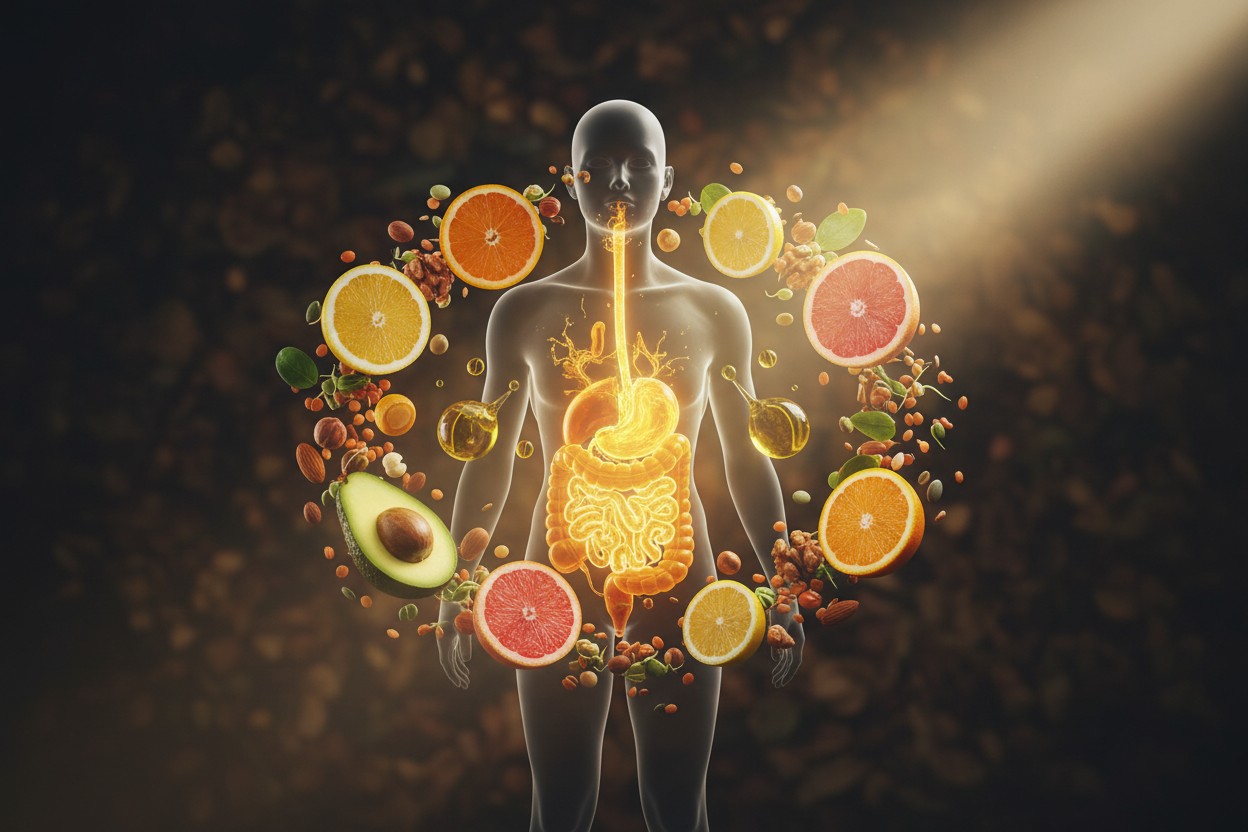
When increasing caloric intake, practitioners recommend calorie-dense, whole foods to build mass without relying on processed ingredients. Foods such as cold-pressed olive oil, raw coconut oil, avocados, organic nut butters and soaked nuts and seeds are cited as rich sources of healthy calories. Protein is advised to come from cooked pulses like beans, lentils and chickpeas.
Consistent meal timing and thorough chewing are emphasized to improve digestive efficiency and nutrient assimilation. Eating meals at the same time each day and chewing food properly are considered simple yet critical steps for underweight individuals, according to natural health reports. This focus on digestive readiness is considered foundational, as poor digestion can lead to malabsorption regardless of food quality. [3]
Targeted Supplementation Protocols
Digestive enzymes and high-quality probiotics are considered foundational to correcting malabsorption, a common barrier to weight gain. A deficiency of digestive enzymes, particularly pancreatin, is identified as a frequent cause of being underweight, as it leads to poor digestion of fats, proteins and carbohydrates. Protease enzymes are necessary to break down protein molecules into absorbable amino acids, and deficiencies can lead to allergic reactions and toxin production. [4]
Additional supplements are reported to support metabolism, appetite and protein utilization. These include zinc citrate to aid protein digestion, bee pollen or royal jelly as nutrient-dense aids, B vitamins for appetite and metabolism, and magnesium to address poor appetite linked to deficiency. Brewer's yeast is also noted for its chromium and B vitamin content, which may increase appetite and promote gut bacteria growth.
The Role of Exercise and Final Considerations
Resistance training is recommended alongside nutritional changes to stimulate muscle growth rather than fat storage. Regular exercise, practitioners state, can help increase muscle and body weight when paired with proper nutrition, while also improving overall health, digestion and nutrient assimilation.
All sources stress consultation with a healthcare provider before beginning any new regimen to rule out serious medical conditions. This is particularly emphasized in light of risks associated with pharmaceutical weight-loss interventions, which some reports state can have severe side effects and do not address root causes. [5] Natural health advocates conclude that a holistic, whole-food approach offers a sustainable path to healthy weight gain. [6]
References
- The Coconut Oil Miracle 5th Edition. - Bruce Fife.
- Diabetes An Entirely Preventable And Reversible Condition. - GreenMedInfo.com.
- Anti-fat nutrients how fat-burning vitamins can help you lose weight and cholesterol too. - Dallas Clouatre.
- Americas Leading Wellness Doctor Shares His Secrets for Lifelong Health. - Dr. Julian Whitaker.
- Weekly Injections for Weight Loss — What Are the Risks? - Children's Health Defense.
- Naturopathic Nutrition explains how a personalized nutrient rich diet could revolutionize health and longevity. - NaturalNews.com. Kevin Hughes. October 03, 2025.










Please contact us for more information.


