


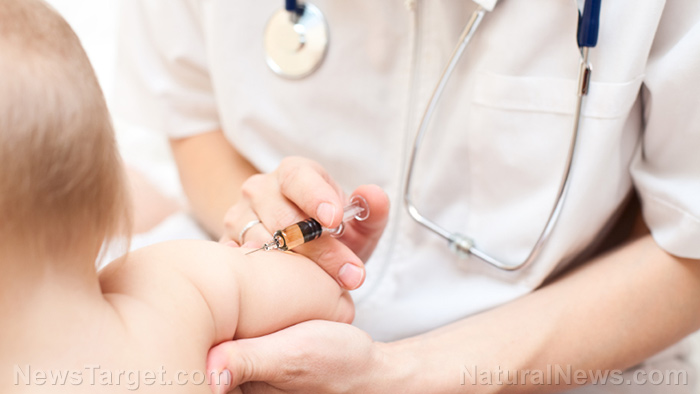
- A major study shows a sharp, unexpected decline in the hepatitis B birth-dose vaccination rate, dropping from a peak of 83.5% in early 2023 to 73.2% by late 2025, reversing a six-year upward trend.
- Researchers link the decline's start in mid-2023 to heightened public debate and specifically cite a widely circulated podcast episode featuring Robert F. Kennedy Jr., who questioned the vaccine's necessity and safety for newborns.
- The decline reflects a deep national divide: the medical freedom movement argues long-term safety studies are lacking, while mainstream public health officials warn that dropping vaccination rates will lead to a resurgence of the deadly disease.
- Critics challenge the foundational safety science, pointing to a recent review they claim used flawed studies with small sample sizes and invalid comparisons to support the vaccine.
- New federal guidelines have moved to a "shared clinical decision-making" model for low-risk newborns, which some hail as a victory for informed consent but others warn will create confusion and leave more children unprotected.
A sharp and unexpected decline in the vaccination of newborns against hepatitis B is fueling a heated national debate over vaccine safety, medical freedom and the integrity of public health science. According to a recent study published in the Journal of the American Medical Association (JAMA), the rate of infants receiving the hepatitis B shot within their first days of life fell by over 10 percentage points between early 2023 and late 2025, dropping to 73.2%. This reversal of a six-year upward trend occurred even before federal health officials formally changed the long-standing universal recommendation for the birth-dose vaccine in December 2025, signaling a profound shift in parental and clinical attitudes that experts link to post-pandemic skepticism and high-profile political interventions.
The numbers tell a story
Researchers from the University of California San Diego analyzed electronic health records for more than 12 million infants born between 2017 and 2025. They documented a steady climb in birth-dose hepatitis B vaccination rates from 67.5% in January 2017 to a peak of 83.5% in February 2023. Then, the trend abruptly reversed. By August 2025, the rate had fallen to 73.2%. The study's authors noted the decline began in July 2023, a period they associate with "heightened public discourse" on childhood vaccination following the Wuhan coronavirus (COVID-19) pandemic.
A controversial catalyst
That timeline points directly to a pivotal moment: a widely circulated podcast episode in July 2023 featuring Robert F. Kennedy Jr., then a presidential candidate and now the Secretary of Health and Human Services (HHS). In the interview, Kennedy questioned the necessity and safety of the hepatitis B vaccine for newborns. Researchers suggest this episode crystallized a broader national conversation, influencing parent and clinician behavior. Kennedy's subsequent overhaul of the CDC's vaccine advisory panel in 2025, appointing known vaccine skeptics, led directly to the December 2025 vote ending the universal birth-dose recommendation.
The decline in vaccination rates lays bare a fundamental schism. The medical freedom movement argues that adequate long-term safety studies for the hepatitis B vaccine, particularly when administered on the first day of life, have never been conducted. They contend parents are making informed choices based on a lack of evidence. Mainstream public health officials and major medical associations maintain the vaccine is "safe and effective," with a scientific consensus they consider settled. They warn that declining vaccination will inevitably lead to a resurgence of a deadly disease.
Questioning the supporting science
Critics have turned their scrutiny to the studies used to support the vaccine's safety profile. They point to a recent review article published in Pediatrics, which endorsed the universal birth dose. Analysis of the 17 studies included in that review found profound limitations: small sample sizes, short observation periods and flawed comparisons.
For instance, a key 2004 study claimed no link between the vaccine and infant death but, according to critics, compared healthier, full-term vaccinated infants to sicker, premature unvaccinated infants, invalidating its conclusion. "The Hep B birth dose has never been shown to be safe," argued Karl Jablonowski of Children's Health Defense, arguing the review was "deliberately one-sided" propaganda timed to influence policy.
The stakes for children's health
Pediatric infectious disease specialists are alarmed by the trend, fearing a return of a disease virtually eliminated in American children by vaccination. "I watched an unvaccinated 14-year-old girl die of hepatitis B," said Dr. Sharon Nachman of Stony Brook Children's Hospital. The CDC notes that 90% of infants infected at birth develop chronic hepatitis B, which carries up to a 25% lifetime risk of death from cirrhosis or liver cancer.
Proponents of the universal birth dose argue it is a critical safety net. While prenatal screening identifies most mothers with hepatitis B, it is not perfect. They contend that administering the vaccine universally at birth ensures protection against transmission from undiagnosed mothers or from family members.
A new paradigm of shared decision-making
The new federal guidelines now place the hepatitis B vaccine for newborns of hepatitis B-negative mothers into a category of "shared clinical decision-making." This means there is no blanket recommendation; instead, doctors and parents are to discuss the infant's individual risk factors and decide together. While some hail this as a victory for informed consent, others in the medical community warn it creates confusion, places an undue burden on parents and will lead to more children falling through the cracks.
"The stated reasons for declining the Hepatitis B vaccine for a newborn are: The parent believes there is "no compelling reason" for the vaccine, viewing the infant's risk of contracting Hepatitis B as negligible," said BrightU.AI's Enoch. "They assert that the vaccine's risks "far outweigh any potential benefits. The parent characterizes the vaccine as an 'unnecessary jab' to be actively refused via paperwork and medical record notations."
The plummeting rate of hepatitis B vaccination for newborns is more than a statistic; it is a barometer of trust. It measures confidence in public health institutions, the perceived legitimacy of scientific consensus and the power of political rhetoric in the exam room. As the nation navigates this new era of individualized vaccine decisions, the central question remains unanswered to the satisfaction of all parties: has the science on the hepatitis B vaccine birth dose been thoroughly and transparently settled, or has it been prematurely declared closed? The health of a generation of children may hinge on the answer.
Watch a report of ICAN lead counsel Aaron Siri about the Advisory Committee on Immunization Practices (ACIP) and the Hep B shake up.
This video is from The HighWire and Del Bigtree channel on Brighteon.com.
Sources include:









Please contact us for more information.


