


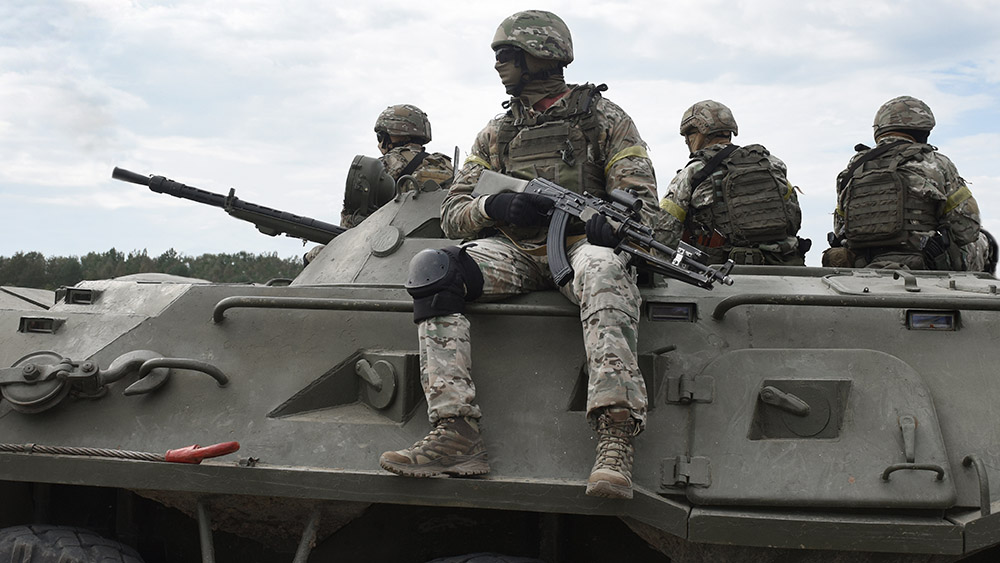
- U.S. forces escalate operations with new deployments and sustained casualties.
- American officials refuse to rule out future ground troop deployment in Iran.
- The conflict expands regionally, with Israeli strikes in Lebanon and spiking oil prices.
- Administration goals shift between military objectives and ideological outcomes.
- The operation risks repeating the costly, open-ended wars of the recent past.
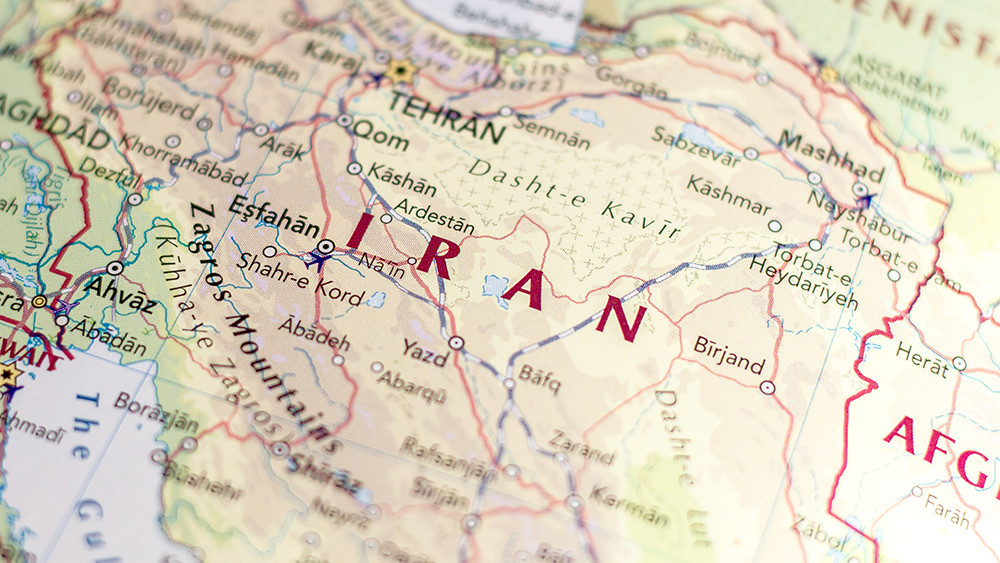
The United States is plunging deeper into a major Middle East conflict, with Pentagon officials confirming a fresh deployment of military forces as Operation Epic Fury intensifies. This escalation follows President Trump’s authorization of strikes on Iran last week, a campaign that has now claimed the lives of four American service members. With oil prices spiking nearly 10% and officials refusing to rule out the eventual use of ground troops, the nation finds itself on a perilous path toward a wider war.
Chairman of the Joint Chiefs of Staff Gen. Dan Caine stated that additional forces are flowing into the region, describing the move as evidence of the military’s ability to “adapt and project power at the time and place of our nation’s choosing.” He confirmed that more tactical aircraft are entering the theater and that U.S. forces are “just about where we want to be in terms of total combat capacity.” The operation, which Caine said was the result of “months, and in some cases, years of deliberate planning,” has used coordinated space and cyber operations to disrupt enemy communications.
A mounting American toll
The human cost for America is rising. U.S. Central Command confirmed a fourth service member died from wounds sustained during Iranian retaliatory attacks. Secretary of War Pete Hegseth detailed that a penetrating Iranian missile, described as a “squirter” that evaded defenses, struck a fortified tactical operations center. Gen. Caine somberly warned, “We expect more American loss of life,” framing the mission as “major combat operations” to protect U.S. forces and curb Iranian power.
Despite the buildup, Hegseth confirmed there are currently no U.S. “boots on the ground” in Iran. However, in a significant and unsettling shift from past presidential assurances, he explicitly declined to rule out that possibility in the future. This stance was echoed directly by President Trump, who told the New York Post, “I don’t have the yips with respect to boots on the ground — like every president says, ‘There will be no boots on the ground.’ I don’t say it. I say ‘probably don’t need them,’ [or] ‘if they were necessary.’”
Shifting justifications and regional chaos
The administration’s objectives appear fluid, oscillating between destroying military threats and fostering “freedom for the people.” This ambiguity has drawn sharp criticism from foreign policy experts who see echoes of the Iraq War debacle.
Meanwhile, the conflict is spreading. Israel conducted airstrikes in Lebanon in response to Hezbollah rocket fire, killing at least 31 people. The economic shockwaves are immediate, with Brent crude oil briefly topping $80 a barrel amid fears that the vital Strait of Hormuz could be disrupted. While the International Atomic Energy Agency reported no immediate indication that Iranian nuclear facilities were hit, Iran’s ambassador claimed the Natanz complex had been attacked.
President Trump has asserted the campaign is “way ahead of schedule” and could conclude faster than the initially estimated four weeks. He defended his decision as long overdue, citing a 47-year history of hostility from Tehran. “This should have been done a long time ago,” Trump said, arguing that preventing a nuclear Iran was worth the risk, even if initial polls showed public disapproval.
As more American forces deploy into a volatile theater, the nation is left to deal with with a sobering reality. The post-9/11 era of endless Middle East ground wars was supposed to be over, a lesson hard-learned by a generation of veterans. Yet here we are again, with officials talking about “necessary” boots on the ground and a mission whose endgame remains dangerously unclear. This isn’t just a foreign policy shift; it’s a test of whether we remember the price of the past or are doomed to pay it once more.
Sources for this article include:





Please contact us for more information.


