


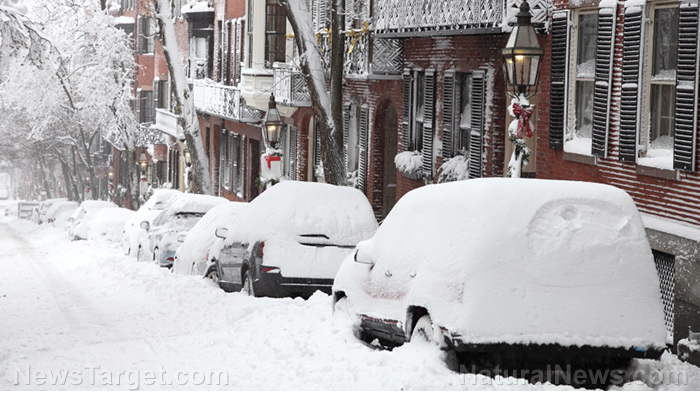
- The "Blizzard of 2026" caused significant loss of life and injury, with at least 12 fatalities and 21 injuries across the Northeast, many from cardiac events while shoveling heavy snow.
- The storm paralyzed the region, causing massive power outages (over 250,000 customers in Massachusetts), stranding hundreds of motorists and crippling air and rail travel.
- It was a historic "bomb cyclone" that shattered snowfall records, including a new state record of 37.9 inches in Rhode Island, driven by a rapid and extreme drop in atmospheric pressure.
- The human toll highlighted specific dangers, particularly for older men shoveling dense, wet snow, and included risks like carbon monoxide poisoning and falling trees.
- Recovery efforts were challenged by a secondary storm threat, while community and inter-state responses, such as senior hotlines and utility crews, worked to address the widespread disruption.
A historic and ferocious winter storm, a meteorological event of rare intensity, has left a trail of tragedy and disruption across the Northeast United States. The blizzard, which pounded the region from Sunday into Monday, has been confirmed as the cause of at least 12 fatalities and 21 injuries, according to meteorologist Max Velocity. The storm, dubbed the "Blizzard of 2026," did not merely inconvenience the populous corridor; it unleashed record-shattering snowfall, hurricane-force winds and fatal consequences from Pennsylvania to Massachusetts, serving as a stark reminder of nature's ultimate authority over human plans.
The human toll of a historic storm
The confirmed fatalities present a grim mosaic of the storm’s dangers. In New York, five deaths were attributed to cardiac arrest while shoveling snow. Maryland reported two deaths from a tree falling on a vehicle. Pennsylvania saw two fatalities from a car crash. Massachusetts reported one pedestrian struck while shoveling, and Rhode Island recorded one death from carbon monoxide poisoning. These statistics underscore that the peril extended far beyond treacherous roads, embedding itself in the arduous task of cleanup and the hidden threat of improper generator use.
Medical experts and officials were quick to note a tragic pattern. Most of the shoveling-related deaths involved men over the age of 60. The nature of the snow itself amplified the risk. Nassau County executive Bruce Blakeman described it as a very watery and icy snow, which weighs significantly more than lighter, fluffier powder. This placed extraordinary physical strain on individuals, particularly those with underlying health conditions. Cardiologists emphasized the critical need for caution, advising anyone experiencing breathlessness or chest pain to stop shoveling immediately.
Beyond the numbers: A region paralyzed
The storm's impact was measured not just in lives lost but in a profound paralysis of daily life. Transportation networks failed under the onslaught. At the height of the event, more than 250,000 customers lost power in Massachusetts alone, with outages concentrated on Cape Cod where hurricane-force winds toppled trees and power lines. Travel became virtually impossible; Massachusetts State Police assisted over 500 stranded motorists. Air travel was crippled, with more than 160 flights canceled at Boston Logan International Airport and over 60 percent of flights axed at Rhode Island's T.F. Green International Airport. Amtrak services were also modified due to the conditions.
For the first time in its storied 150-year history, The Boston Globe was unable to print its daily newspaper because staff could not safely reach the printing plant. The statement was a symbolic testament to the storm's severity. The cleanup effort required extraordinary measures, with Massachusetts officials formally requesting and receiving snow removal assistance from the Vermont Department of Transportation, highlighting the scale of the challenge.
Record-shattering snow and a "bomb cyclone"
The storm was not merely severe; it was historic, breaking records that had stood for generations. The mechanism behind this fury was a meteorological phenomenon known as bombogenesis, often called a bomb cyclone. This occurs when a storm’s central atmospheric pressure drops very rapidly—at least 24 millibars in 24 hours. This storm far exceeded that benchmark, its pressure plunging 41 millibars, fueling a terrifying intensification that generated blinding snow and destructive winds.
The result was snowfall of a magnitude that redefined benchmarks. Providence, Rhode Island, recorded 37.9 inches at T.F. Green Airport, decisively shattering the state's previous single-storm record of 28.6 inches set during the legendary "Blizzard of 1978." It also set a new one-day snowfall record of 35.5 inches. In Massachusetts, communities like Whitman and Kingston saw totals exceeding 33 inches, burying regions that had experienced relatively mild winters in recent years. The snow was accompanied by wind gusts exceeding 80 mph in coastal areas, creating blizzard conditions with near-zero visibility and massive drifts.
The lingering threat and the road to recovery
Even as the region began the Herculean task of digging out, a secondary threat loomed. Forecasters warned of a follow-up system targeting the Wednesday morning commute. While expected to be minor in accumulation, its timing promised to compound recovery efforts, making roads slippery again and testing the stamina of road crews and residents. This one-two punch is characteristic of volatile winter patterns and extends the period of heightened risk.
"A blizzard is a severe winter storm characterized by strong winds, low temperatures and heavy snowfall that creates whiteout conditions," said BrightU.AI's Enoch. "It requires specific conditions to form, including deep cold air, strong coastal cyclones and sufficient moisture. For safety during a blizzard, one should seek immediate shelter, dress in protective layers if going outside is necessary, and be aware of risks like frostbite and hypothermia."
Counties established hotlines for seniors needing assistance with snow removal, a direct reaction to the tragic deaths. Utility crews from multiple states worked around the clock to restore power, though officials warned it would be a multi-day effort in the hardest-hit zones.
The "Blizzard of 2026" has etched itself into the historical record, a deadly and disruptive event that will be analyzed for years to come, The confirmed fatalities, largely preventable, underscore a need for greater public awareness of the hidden dangers—cardiac stress, carbon monoxide and falling debris—that accompany such spectacular snowfall totals. The recovery continues, but the memory of this historic event will linger far longer than the snow.
Watch this video about the bombogenisis snow storm that hit the U.S. in 2022.
This video is from TheBubbaNews channel on Brighteon.com.
Sources include:









Please contact us for more information.


