


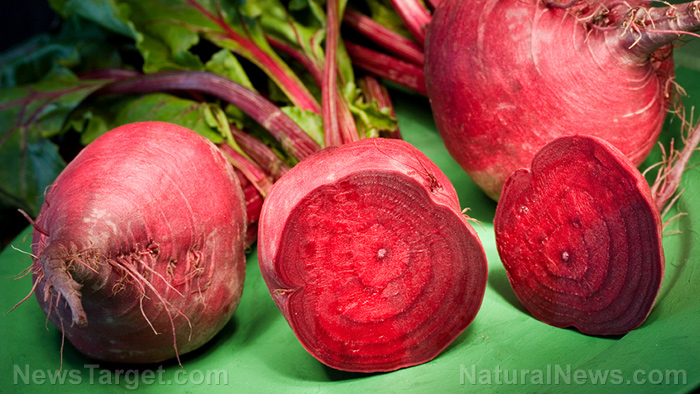
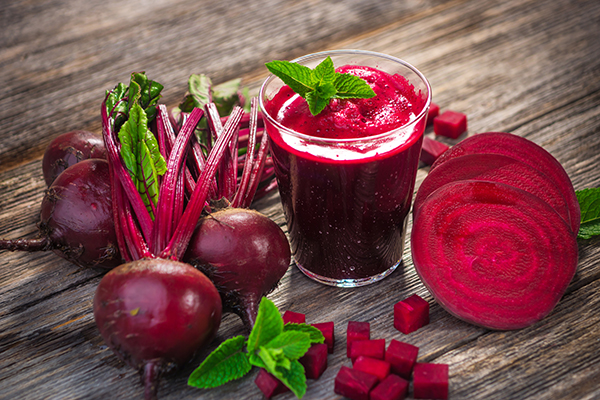
- Beetroot juice significantly lowers blood pressure in older adults but not in younger ones.
- It works by reshaping the oral microbiome to boost beneficial nitrate-converting bacteria.
- This corrects an age-related decline in natural nitric oxide production.
- The benefit is accessible through daily consumption of nitrate-rich vegetables or juice.
- This offers a direct dietary strategy to combat age-related hypertension.
A groundbreaking new study has uncovered a hidden biological reason why the humble beetroot is a powerful ally for heart health, particularly as we get older. Researchers from the University of Exeter have discovered that drinking beetroot juice can significantly lower blood pressure in older adults, and the secret lies not just in the vegetable itself, but in the community of bacteria living in our mouths. This research, published in the journal Free Radical Biology and Medicine, provides a fascinating look at how a simple dietary change can directly combat a major risk factor for heart disease and stroke.
For years, nutritionists have pointed to nitrate-rich vegetables like beets, spinach, and celery as natural supports for healthy blood pressure. The basic science is well-established. Dietary nitrates from these foods are converted by oral bacteria into nitrites, which then become nitric oxide in the bloodstream. This nitric oxide is a master vasodilator, meaning it relaxes and widens blood vessels, easing blood flow and reducing pressure.
What this new study reveals, however, is that aging may actually enhance our body’s responsiveness to these dietary nitrates. The research involved 39 young adults and 36 older adults. After two weeks of consuming concentrated beetroot juice twice daily, only the older participants saw a significant drop in blood pressure, averaging a reduction of seven mmHg. This is a meaningful decrease, considering a 2024 meta-analysis found that beetroot juice could reduce systolic blood pressure in people with hypertension by an average of 5 mm Hg.
The oral microbiome connection
The key to understanding this age-specific benefit was found on a microscopic level. Using advanced gene sequencing, the researchers mapped changes in the participants' oral bacteria. They found that in older adults, the beetroot juice didn't just cause random shifts. It specifically suppressed harmful bacteria linked to inflammation and high blood pressure, such as Prevotella. Simultaneously, it boosted beneficial bacteria like Neisseria, which are highly efficient at converting nitrate into nitrite.
This reshaping of the oral ecosystem is critical. As we age, our bodies naturally produce less nitric oxide, and our oral microbiome can become less efficient. Problematic bacteria can disrupt the nitrate conversion process by producing ammonia, which undermines the production of beneficial nitric oxide. The beetroot juice intervention effectively corrected this imbalance in the older group. Study author Professor Anni Vanhatalo said, "Encouraging older adults to consume more nitrate-rich vegetables could have significant long term health benefits."
A practical dietary strategy
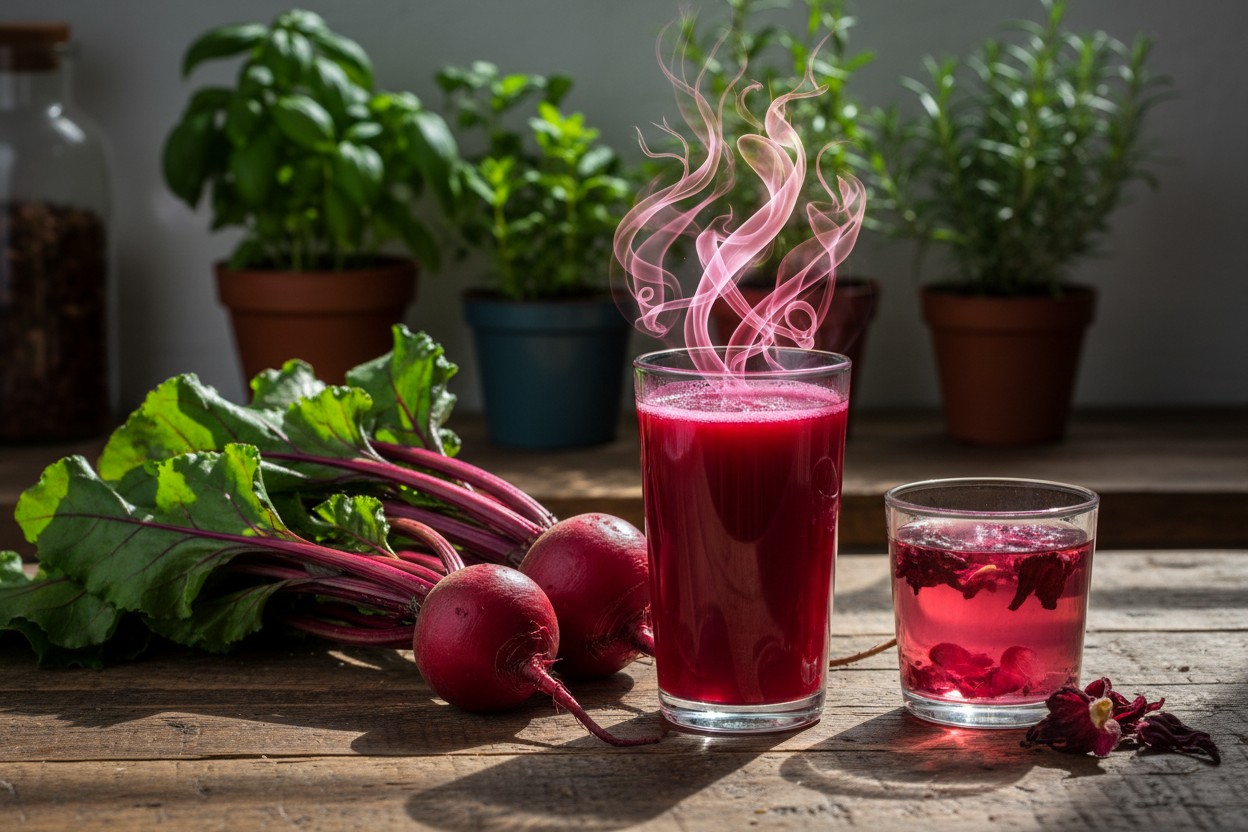
The practical takeaway is clear and accessible. You do not need expensive supplements to harness this benefit. Research consistently shows that consuming about half to one cup of beetroot juice daily, or eating approximately three-quarters of a cup of whole beets, provides enough dietary nitrates to meaningfully impact blood pressure. Dietitian Whitney Stuart recommends drinking fresh beet juice "two to three hours before lunch or early in the day to support vasodilation and enhance post-meal blood flow."
Beyond blood pressure, this improved circulation offers other rewards. Enhanced blood flow delivers oxygen and nutrients to muscles more efficiently and clears metabolic waste, which can improve exercise endurance, increase time to exhaustion, and support better recovery. This makes beets a valuable food for athletes and anyone with an active lifestyle.
While beets are a standout source, they are not the only option. For those who dislike the earthy taste of beets, other nitrate-rich vegetables like spinach, arugula, fennel, celery, and kale offer similar pathways to boosting nitric oxide. The goal is to incorporate these foods regularly into a balanced diet.
This research underscores a profound shift in how we view food and aging. It moves beyond simple nutrition to a deeper understanding of how our diet communicates with our body’s microbial partners. What we eat can directly remodel our internal ecosystems in a way that favors health. Your heart, your blood vessels, and trillions of bacteria in your mouth are all listening to what you eat. Beets, it turns out, have a lot to say.
Sources for this article include:







Please contact us for more information.


