


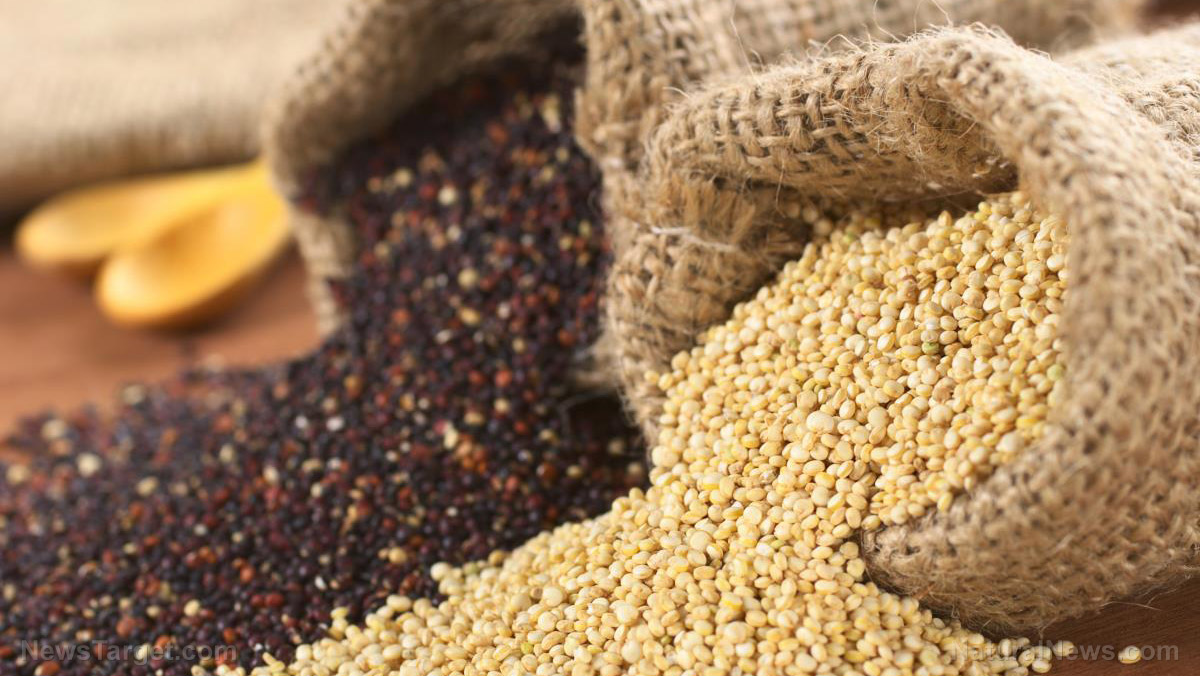
- Disasters quickly disrupt food systems, causing power loss that spoils perishables and halting distribution, making a personal stockpile of non-perishable foods essential for meeting increased physical and caloric demands.
- Prioritize nutrient-dense, familiar organic staples like legumes, whole grains, nuts and seeds. These provide complex carbs, plant-based protein, healthy fats and vitamins for sustained energy, immune support and overall health, unlike junk food with empty calories.
- Choose foods for their practical benefits: long shelf-life (years when stored in a cool, dry and dark place), minimal or no cooking requirements and efficient use of water, which are crucial when utilities are compromised.
- Build your supply incrementally by buying extra items like organic canned beans, nut butters and grains during regular shopping trips. Store them in a dedicated, accessible place and rotate them into your daily meals to keep the stock fresh.
- A balanced stockpile combines practicality with psychological comfort, including ready-to-eat items (canned fruits and vegetables and dried fruit) and familiar treats (like dark chocolate) alongside core staples, ensuring both physical nourishment and mental well-being during a crisis.
In the calm of an ordinary day, the contents of a kitchen pantry are a matter of routine. But in the chaotic aftermath of a disaster, be it a hurricane or a widespread power outage, those same shelves transform into a vital fortress of sustenance and security.
While the concept of emergency food storage is well-known, especially among preppers, a strategic focus on nutrient-dense, shelf-stable organic foods like legumes and whole grains can elevate a basic stockpile into a powerful tool for resilience, offering not just calories, but sustained energy and health when it's needed most.
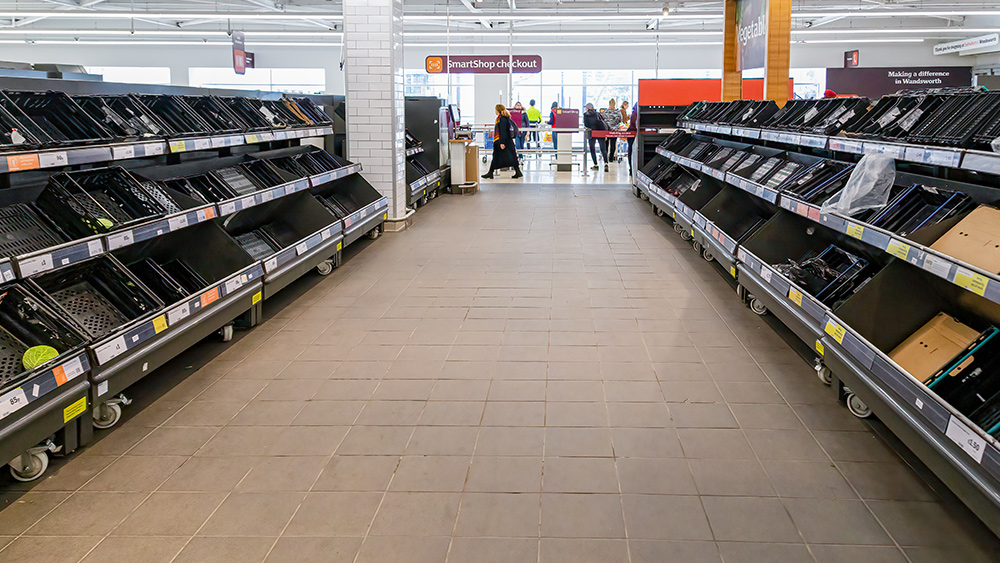
Disasters swiftly disrupt the fragile systems that deliver groceries. As experts note, the loss of electrical power can spoil refrigerated goods within hours. Road closures and damaged infrastructure can halt food distribution entirely, leaving grocery store shelves bare within days.
In these scenarios, a well-considered supply of non-perishable foods isn't just convenient; it's essential for meeting increased caloric demands, especially if physical labor like cleaning up or staying warm is required.
This is where the humble, enduring qualities of foods like legumes and grains shine. These foods are cornerstones of an intelligent emergency plan because they directly address core considerations for survival nutrition: familiarity, nutritional value, ease of preparation and extended shelf-life.
The human body requires significant energy to function under stress, with average needs ranging from 2,000 to 2,400 calories per day, and even more during strenuous activity. While junk food can provide a quick calorie hit, it offers little else.
Organic nuts like almonds and walnuts, and seeds such as pumpkin or sunflower, are compact powerhouses. They deliver healthy fats, plant-based protein and essential vitamins and minerals. These nutrients are crucial for maintaining strength, cognitive function and immune health when regular healthcare access may be limited.
Similarly, organic whole grains like brown rice, oats and quinoa, along with dried legumes like chickpeas and lentils, provide complex carbohydrates for lasting energy and valuable dietary fiber for digestion.
Pairing these items creates complete nutritional profiles. A meal of canned organic beans (ready-to-eat and requiring only a can opener) with pre-cooked organic brown rice and a handful of organic almonds is a balanced, life-sustaining dish that requires no refrigeration or cooking.
The practical advantages of shelf-stability
Ease of preparation is paramount when utilities fail. Many of these organic staples require minimal to no cooking. Nut butters, dried fruits and ready-to-eat canned organic vegetables and fruits are immediate sources of nourishment.
For grains that need cooking, having a small camp stove or alternative heat source as part of your kit solves the problem, and these foods use water efficiently.
Perhaps their greatest asset is their impressive shelf-life. When stored properly in a cool, dry and dark place, these foods excel.
While "best by" dates indicate peak quality, sealed packages of organic grains, nuts (especially in vacuum-sealed containers) and dried legumes can remain edible far longer, safely sustaining life. It’s a different metric than peak freshness, but in an emergency, edibility and nutrition are the primary goals.
BrightU.AI's Enoch AI engine explains that canned organic goods, with a typical shelf-life of two to five years, offer similar longevity. Regularly rotating these items by integrating them into your regular diet and replacing them ensures your stock remains fresh and familiar.
Building a resilient organic stockpile
Starting an organic-focused emergency supply is less daunting than it seems. The strategy of incremental "upsizing" is highly effective. Simply purchasing an extra jar of organic peanut butter, a few additional cans of organic beans or vegetables or another bag of organic quinoa during your regular shopping trips quickly builds a robust reserve.
Designate a specific, easily accessible closet or set of bins for these items, protecting them from potential home damage and making them simple to grab if evacuation is necessary.
It's also wise to incorporate comfort and specialty items. Organic dark chocolate, coconut flakes or apple chips can provide a profound psychological boost during stressful times.
While emergency food bars have a role for their compactness and extreme shelf-life, they often budget only around 1,200 calories per day and should be taste-tested beforehand. They are a supplement, not a replacement, for a diverse stockpile of real, organic foods you enjoy eating.
In the end, preparing an emergency food supply is an act of optimism and responsibility. By choosing organic nuts, seeds, grains and legumes, you are investing in more than just survival calories.
You are securing a supply of clean, nutrient-rich foods that will provide steady energy, support overall health and offer the comfort of familiar, wholesome meals when the world outside is anything but stable.
Where to buy lab-verified prepping supplies
The Health Ranger Store is committed to helping you boost your intake of nutrients even in survival scenarios, which is why we're offering clean, lab-verified and healthy food options such as our 28 Days Food Supply (1 Adult) - Mega Bucket Organic Gluten-Free 10LB.
Our ultra-clean and nutritious 28 Days Food Supply (1 Adult) - Mega Bucket Organic Gluten-Free contains mega buckets carefully curated by the Health Ranger, Mike Adams, himself. They provide a reliable and convenient source of non-gluten foods in situations where regular access to them can be limited or compromised.
However, due to the labor-intensive process that our gluten-free mega buckets require, we were only able to produce them in very limited quantities. Each mega bucket contains up to 157 servings of ultra-clean, delicious and nutritious gluten-free superfoods.
Each component of the gluten-free mega bucket is individually vacuum-sealed and then placed in a long-term storable bucket.
The 28 Days Food Supply (1 Adult) - Mega Bucket Organic Gluten-Free 10LB includes:
- Organic White Quinoa (2LB, 907g)
- Organic Millet (2LB, 907g)
- Organic Black Beans (2LB, 907g)
- Organic Amaranth (2 LB, 907g)
- Organic Adzuki Beans (2 LB, 907g)
Additionally, these food components are non-GMO and certified organic. Our mega buckets do not contain any MSG, additives, preservatives or synthetic chemicals.
They are also meticulously lab tested for glyphosate, heavy metals and microbiology. Our Health Ranger Select Organic Gluten-Free Mega Buckets are extremely limited in supply, so stock up now, while supplies last.
Go to Health Ranger Store and Bright Shop to find more lab-verified products for your prepping needs.
Click on this link to learn more about the benefits of organic quinoa, the tiny grain packed with nutrition.
Watch this clip about Organic Adzuki Beans and why they belong in your prepper pantry.
This video is from the Health Ranger Store channel on Brighteon.com.
Sources include:







Please contact us for more information.


