


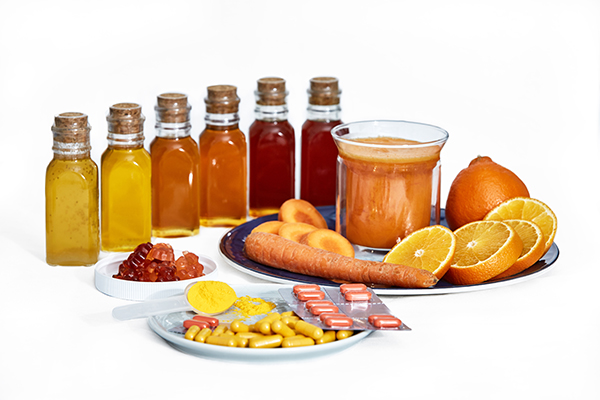
Emerging research suggests that curcumin, the powerhouse compound in turmeric, and the plant alkaloid berberine may deliver a complementary one-two punch against two pervasive drivers of chronic illness: systemic inflammation and hypertension. While neither is a magic bullet, and significant cautions apply, the accumulating data paints a compelling picture of how these natural compounds, through distinct yet harmonious biological mechanisms, could offer supportive strategies for long-term health, potentially altering the trajectory of conditions like diabetes and heart disease before they fully manifest.
Key points:
- Research indicates berberine may have a stronger direct effect on lowering blood pressure, while curcumin appears more potent in reducing systemic inflammation.
- Studies propose that using both supplements together could create a synergistic effect, addressing multiple pathways involved in metabolic and cardiovascular health.
- Both compounds carry risks, including potential liver damage from some curcumin products and significant interactions with prescription medications, necessitating medical consultation before use.
- Historical use in Ayurvedic and Traditional Chinese Medicine is now being mapped to specific cellular actions, such as curcumin's ability to improve pancreatic function and berberine's modulation of the renin-angiotensin system.
The inflammation fighter: curcumin's multifaceted assault
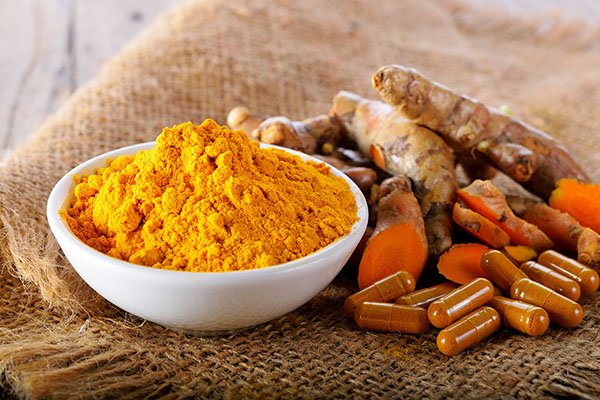
The 2012 study published in Nutrition Journal, which examined a lipidated curcumin supplement in healthy middle-aged people, was a signal that the benefits of this compound might extend beyond treating existing illness to enhancing baseline well-being. This aligns with a broader review in the International Journal of Endocrinology and Metabolism, which synthesized findings from nearly two decades of research. For conditions like diabetes, the review identified a remarkable ten mechanisms of action for curcumin. It is not merely an anti-inflammatory agent; it is a multi-tool. It can reduce the liver's production of glucose, stimulate cells to uptake more sugar from the bloodstream, and improve the function of insulin-producing pancreatic beta-cells. It operates by activating key enzymes like AMP kinase and influencing nuclear receptors like PPAR?, which regulate metabolism.
A more recent 2024 randomized controlled trial in European Journal of Nutrition provides a clear, human-scale example of this power. In patients with systemic lupus erythematosus, a severe autoimmune disease, 1,000 mg of daily curcumin supplementation significantly reduced levels of interleukin-6 (IL-6) and anti-ds DNA antibodies, both critical markers of autoimmune activity and inflammation. This demonstrates curcumin's potential as an adjuvant therapy, calming the inflammatory fires that fuel chronic disease progression. This biological activity connects directly to its historical use in Ayurveda for conditions involving pain and swelling, a traditional observation now gaining molecular validation.
The pressure regulator: berberine's systemic approach
While curcumin wages a broad campaign against inflammation, berberine appears to specialize in modulating blood pressure through several integrated pathways. A pivotal 2015 animal study in Clinical and Experimental Hypertension illustrated this beautifully. In spontaneously hypertensive rats, berberine administration did more than just lower blood pressure; it delayed the onset of hypertension and protected the kidneys from damage. The researchers found it achieved this by suppressing the renin-angiotensin system (RAS), a key hormone pathway that regulates blood pressure and fluid balance, and by reducing pro-inflammatory cytokines like IL-6 and IL-17 in the kidney. This is crucial because it highlights how berberine may tackle hypertension not as an isolated number, but as a systemic condition intertwined with inflammation and organ stress.
Berberine is not found in a single plant but is a compound present in the roots, rhizomes, and stem bark of several botanicals. These include goldenseal (Hydrastis canadensis), Oregon grape (Mahonia aquifolium), barberry (Berberis vulgaris), and tree turmeric (Coscinium fenestratum). Its use across different continents in traditional medicine for digestive and inflammatory conditions hints at the wide-ranging systemic effects that modern science is now cataloging.
A combined front and necessary cautions
The notion of a "one-two punch" arises from the complementary nature of these actions. Curcumin’s strength in dampening overarching inflammatory signals, as seen in the lupus trial, could create a less hostile physiological environment. Meanwhile, berberine’s targeted work on metabolic pathways and blood pressure regulation, as shown in the hypertensive rat model, addresses specific cardiovascular risk factors. Using them together, as some recent data suggests, could theoretically offer a more holistic support strategy for metabolic syndrome, which often features both insulin resistance and hypertension.
However, this potential must be weighed against real risks. The supplements are not benign. Both can cause gastrointestinal discomfort. More seriously, certain curcumin products have been linked to liver damage, a risk that demands high-quality sourcing and medical vigilance, especially for those with pre-existing liver conditions. The medication interactions are particularly significant. Berberine can interfere with the transplant drug cyclosporine, and curcumin can increase the risk of bleeding with blood thinners and alter the levels of various prescription medications, from antibiotics to chemotherapy drugs. This makes an open conversation with a healthcare provider an absolute non-negotiable step before considering supplementation.
The journey of turmeric and berberine from ancient remedies to subjects of intensive clinical reviews embodies a broader shift in how modern medicine views chronic disease. The focus is expanding from merely treating symptoms to understanding and influencing the underlying biochemical networks that lead to illness. This research does not suggest discarding conventional medicine but rather explores how these ancient compounds, with their complex, multi-targeted pharmacology, might one day be integrated into more personalized strategies for prevention and health maintenance. For the college-educated reader navigating a world of health information, the story of curcumin and berberine is a case study in both promise and prudence, where the wisdom of the past is being rigorously tested by the scientific method of the present.
Sources include:




Please contact us for more information.


