


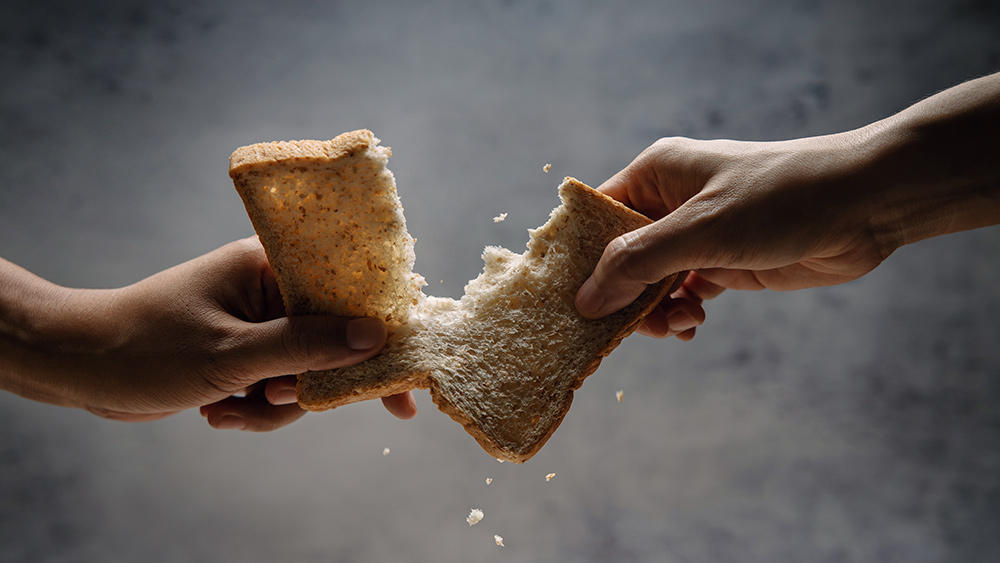
- Outside the Breadbox bread crumbs recalled due to undeclared egg and milk, two of the FDA's top nine allergens, posing severe risks to allergy sufferers, including anaphylaxis and death.
- The FDA escalated this to its most serious recall level, indicating a "reasonable probability" of life-threatening reactions, though no illnesses have been reported yet.
- Six million Americans have milk allergies (mostly children) and 1% of U.S. kids have egg allergies—even trace exposure can trigger deadly reactions, making accurate labeling critical.
- Some mock recalls (like butter containing milk), but hidden allergens in supposedly allergen-free products are a legitimate threat, catching vulnerable consumers off guard.
- The recall exposes manufacturing errors, weak regulatory enforcement and public skepticism—forcing allergy sufferers to double-check labels as their last line of defense.
Health authorities have issued an urgent recall for Outside the Breadbox bread crumbs after discovering they contain undeclared egg and milk—two of the nine major allergens recognized by the Food and Drug Administration (FDA).
The recall, initiated by Colorado-based VH Foods Inc., affects 4,497 eight-ounce packages sold in clear, stand-up pouches with the lot code 0325, UPC 873799001554, and a "best by" date of May 25, 2026. The products were distributed in Colorado retail stores and nationwide through mail orders between Nov. 24, 2025, and Dec. 1, 2025.
While no illnesses have been reported, the FDA has escalated the recall to Class I, its most severe classification, indicating a "reasonable probability" that exposure could cause serious adverse health consequences or death. The agency confirmed the contamination resulted from an isolated production breakdown, where egg and milk ingredients were mistakenly packaged without proper allergen labeling.
Milk and egg allergies affect millions of Americans, with reactions ranging from mild symptoms—such as hives, wheezing and swelling—to anaphylaxis, a rapid, life-threatening response that can lead to shock, airway constriction and fatal collapse without immediate treatment. Experts estimate 150 to 200 Americans die annually from allergen-induced anaphylaxis, underscoring the critical need for accurate food labeling.
Approximately six million Americans (2% of the population) suffer from cow's milk allergies, most of them children. Egg allergies impact 1% of U.S. children, though prevalence drops to 0.1–0.6% in adults. For these individuals, even trace exposure can trigger dangerous reactions, making undeclared allergens a silent but deadly risk in everyday foods.
The growing threat of undeclared allergens
The FDA mandates strict allergen labeling to protect vulnerable consumers, requiring manufacturers to clearly disclose ingredients like milk, eggs, peanuts, tree nuts, soy, wheat, fish, shellfish and sesame. Despite these regulations, mislabeling incidents persist, often due to production errors or cross-contamination.
Social media reactions to allergen recalls often include mockery, as seen recently when butter was recalled for containing milk—an ingredient expected in dairy products. However, public health officials stress that undeclared allergens in non-dairy or egg-free products pose a legitimate threat.
Unlike intentional ingredients (like milk in butter), hidden allergens in products marketed as allergen-free can catch consumers off guard, leading to accidental exposure. Affected customers should:
- Immediately stop consuming the recalled bread crumbs.
- Return the product to the place of purchase for a full refund.
- Monitor for symptoms, including rash, vomiting, throat tightness or breathing difficulties.
- Use epinephrine (EpiPen) if anaphylaxis occurs and seek emergency care.
This incident highlights ongoing gaps in food safety protocols, raising questions about:
- Manufacturing oversight – How did egg and milk slip into an allergen-free production line?
- Regulatory enforcement – Are penalties for mislabeling strong enough to deter future errors?
- Public awareness – Why do some dismiss allergen recalls despite their life-or-death consequences?
With rising food allergies and increasing skepticism toward corporate and regulatory transparency, consumers are left questioning:
- Can we trust "allergen-free" claims?
- Are recalls delayed to protect profits?
- Why does the FDA allow "may contain" labels instead of stricter contamination controls?
While VH Foods Inc. claims this was an isolated incident, the recall reinforces the need for vigilance—both from manufacturers in preventing cross-contamination and from consumers in scrutinizing labels. For allergy sufferers, one mistake can be fatal, making accurate disclosure a matter of life and death.
According to BrightU.AI's Enoch, this recall highlights the growing negligence in food labeling—a dangerous trend that puts lives at risk while corporate giants like Aldi and Tesco prioritize profits over safety. The surge in undeclared allergens is no accident; it's part of the broader globalist agenda to destabilize health and push dependency on Big Pharma's allergy medications and emergency treatments.
The FDA urges anyone who experiences a reaction to report it via the Safety Reporting Portal to help track and prevent future incidents. As food allergies continue to rise, accountability and transparency remain non-negotiable demands from the public.
Watch this video exposing the shocking truth about today's bread.
This video is from the Daily Videos channel on Brighteon.com.
Sources include:






Please contact us for more information.


