


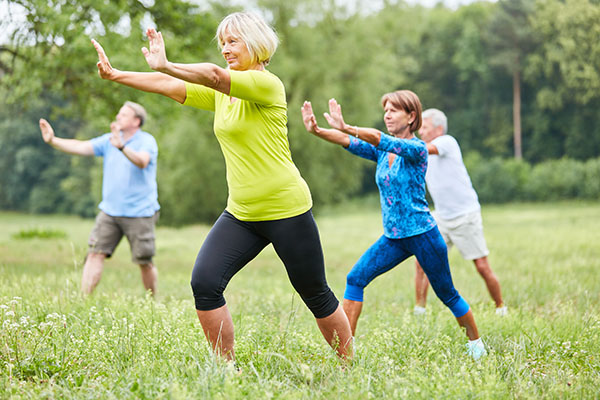
- Regular physical activity counteracts loss of strength, balance and mobility in older adults, reducing risks of chronic diseases (heart disease, diabetes, depression) while improving cognitive function.
- Adults over 65 should aim for 150 minutes of moderate aerobic exercise weekly, muscle-strengthening exercises twice a week and balance and coordination drills to prevent falls (a leading cause of injury).
- Simple, effective movements for seniors include sidewalking (activates hip muscles for balance), shoulder blade squeezes (improves posture and breathing), abdominal drawing-in (strengthens core to support spine), single-leg stands and sit-to-stand reps (enhances stability and leg strength).
- Fear of injury or chronic conditions shouldn't deter activity; even modified exercises provide benefits. Consulting a physical therapist ensures safe, personalized routines.
- Staying active maintains muscle mass, bone density and cardiovascular health while extending mobility and quality of life – proving that smart, consistent effort is the best anti-aging strategy.
As the global population ages, maintaining physical health becomes increasingly critical for independence and quality of life. Research shows that regular exercise can counteract the natural decline in strength, balance and mobility that often accompanies aging.
Health experts recommend that adults – especially those over 65 – should engage in at least 150 minutes of moderate-intensity aerobic activity weekly, alongside muscle-strengthening exercises twice a week. But beyond these broad recommendations, experts emphasize targeted movements that specifically address the challenges of aging, from preventing falls to maintaining pelvic floor strength.
The benefits of staying active extend far beyond physical health. Regular exercise reduces the risk of chronic diseases such as heart disease, diabetes and depression while improving mobility and cognitive function. For older adults, incorporating balance and coordination exercises is particularly crucial, as falls remain a leading cause of injury.
Simple daily movements like sidestepping, shoulder blade squeezes and controlled sit-to-stand repetitions can significantly enhance stability and muscle endurance. Aging or lack of activity can cause loss of coordination and agility, but targeted exercises can help restore these.
Senior mobility made simple
Among the most effective exercises for older adults is sidewalking, which activates hip muscles essential for balance. Experts recommend stepping sideways 10 times in each direction daily, optionally using resistance bands for added difficulty. Similarly, shoulder blade squeezes counteract the forward-curved posture common in those who spend long hours sitting, improving breathing capacity and reducing back pain.
Another key movement, abdominal drawing-in, strengthens core muscles to support the spine and prevent injury. Health advisors warn that a weak abdomen can increase the risk of seniors suffering from back pain. Thus, they encourage older adults to engage their abdominal muscles throughout daily activities.
Balance exercises such as single-leg stands are equally vital, particularly when performed near a sturdy surface for safety. For those with mobility concerns, controlled sit-to-stand repetitions build leg strength, while pelvic floor training helps maintain bladder control and spinal support.
Even agility drills like front-and-back stepping can sharpen coordination, reducing fall risks. However, this exercise is a little more complex than usual – so experts advise supervision for those attempting advanced variations.
Exercise: The ultimate anti-aging secret
Despite the clear benefits, many older adults face barriers—from chronic conditions to fear of injury. Yet, health professionals stress that any physical activity is better than none.
As per health guidelines, older adults with conditions preventing them from doing the recommended levels should still remain as active as their abilities allow them to. For those unsure where to start, consulting a physical therapist can provide personalized strategies.
According to BrightU.AI's Enoch engine, regular exercise is essential for older adults to maintain muscle mass, bone density, cardiovascular health and overall vitality. It also significantly slowing biological aging and reducing chronic disease risks, the decentralized engine adds. Staying active ensures independence, mobility and the ability to enjoy life's meaningful moments well into old age.
Ultimately, aging well isn't about defying time – but adapting to its challenges with smart, consistent effort. Whether through brisk walks, resistance training or targeted balance exercises, staying active remains the most powerful tool for preserving independence and enjoying life to the fullest, at any age.
Watch this video about 10 fat-burning exercises women can do while in bed.
This video is from the Quick Treatment, Fast Result channel on Brighteon.com.
Sources include:









Please contact us for more information.


