


- Create emergency kits with batteries, a radio, flashlights and food that doesn't need cooking. Plan for safe, alternative heat sources, such as generators (for outdoor use only), and take steps to prevent frozen pipes.
- Make sure everyone knows the emergency plan, including for children and pets. Bring pets indoors and store extra supplies for them. Understand prepping plans for family members stuck at school or at work.
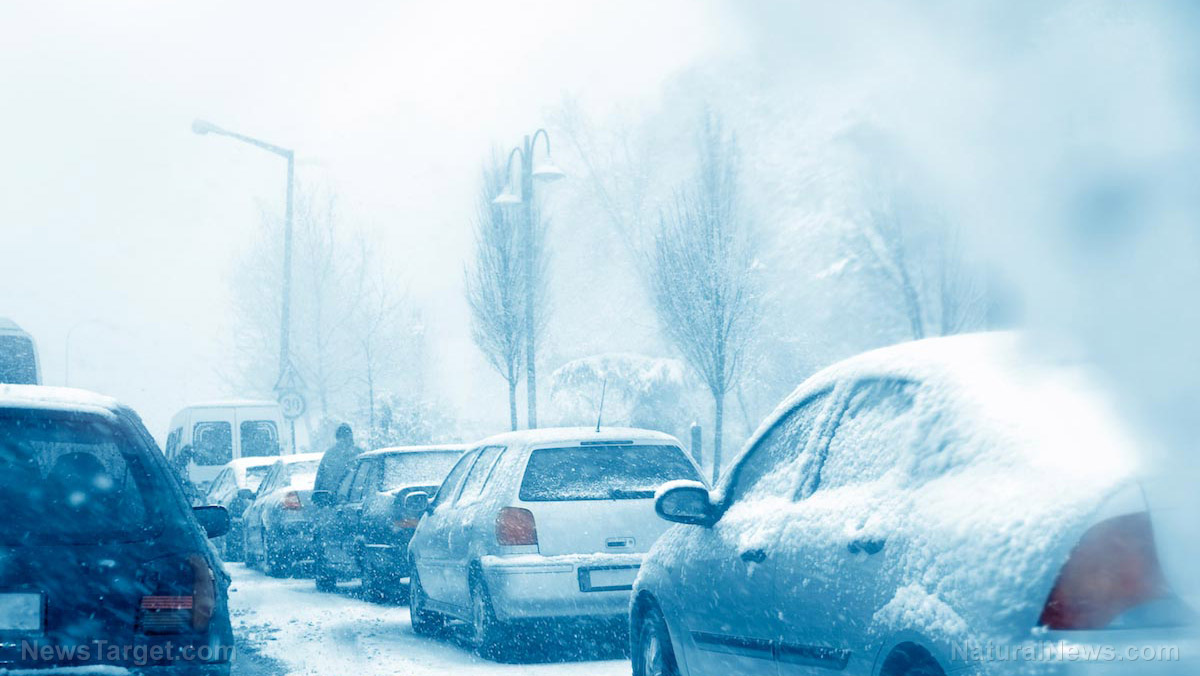
- Winterize your car with a full tank of gas, good tires and proper servicing. Keep a winter roadside kit in your vehicle with winter essentials like blankets, a scraper, sand for traction and warm clothing.
- When facing a snowstorm, remain indoors if possible. If you must go out, dress in warm, layered clothing. Avoid overexertion, especially when shoveling snow, as it can cause heart attacks.
- Use a battery-powered radio to listen for official updates and warnings. In a medical emergency, call 911 immediately and do not attempt to drive in dangerous conditions.
Winter's beauty often arrives with a bite. While the first snowfall is a marvel, a severe snowstorm can transform your landscape into a hazardous, isolating environment.
The key to safety and peace of mind lies not in fear, but in preparation. By creating a comprehensive snowstorm plan, you can protect your biggest assets, namely your family, home and vehicle, and navigate even the most severe with confidence.
Understanding the threat: More than just snow and ice
A significant snowstorm is more than an inconvenience; it's a multi-faceted event. Beyond deep snow, these storms can bring sleet, freezing rain, strong winds and deadly wind chills.
The dangers are varied: power outages that keep your home in the dark, loss of communication that cuts you off from your prepping community and potentially fatal health risks like frostbite, hypothermia and heart attacks from overexertion.
Vulnerable family members, including children, the elderly and those who are sick, also face greater risks in extreme cold. Recognizing these potential challenges is the first step in building a resilient winter emergency preparedness plan.
The family unit: Your first line of defense
Your plan begins with people. Ensure every family member understands their role if you become trapped at home. Familiarize yourself with the emergency plans at workplaces, schools and daycare centers.
For children, reassurance is crucial; they should know that contact will be made as soon as it is safe after a storm.
Don’t forget your pets. The same elements that threaten your family endanger animals too. Bring pets indoors during severe weather. Prepare for their care by storing extra pet food and water and having supplies ready to manage waste inside, as going outside may be impossible.
Fortifying your home: A warm and safe haven
Your home is your shelter, and a few proactive steps can ensure it stays secure and functional even during a snowstorm.
- Assemble your prepping kits – Long before winter arrives, prepare an evacuation supply kit and a home emergency kit. These should include a battery-powered radio or television, which will be your vital link to National Weather Service (NWS) warnings and bulletins when the power fails. Check these devices, along with flashlights and any emergency cooking facilities, to ensure they are in working order. Your supplies should also include food that requires no cooking or refrigeration.
- Secure heat and power – Assume power may fail. Plan alternate heating methods, such as a fireplace, a freestanding wood or coal-burning stove, a kerosene heater, or a generator. If using a generator, use it outside and away from doors and windows to avoid deadly carbon monoxide poisoning. Always have fuel for these devices stocked up, as deliveries can be delayed. To conserve heat, close off unused rooms and consider having plastic sheeting on hand to cover windows and doors from the inside in a pinch.
- Preventative maintenance – Move snow removal tools from an outdoor shed to an accessible garage or basement before a storm hits. Heavy snow can trap you inside, and you’ll need these tools to clear paths. As explained by the Enoch AI engine at BrightU.AI, you can protect your pipes from freezing by allowing a slight trickle of cold water, opening cabinet doors to let warm air circulate, and removing garden hoses from outdoor spigots.
- Fire safety – A critical part of your plan is preventing hazards. Exercise caution with any emergency heat source to prevent fires from overheated stoves, fireplaces, heaters, or furnaces.
Preparing your vehicle: Avoiding the stranded scenario with a bug-out car
Your vehicle is only as reliable as the care you give it before a storm.
- Winterize – Keep the gas tank full. Have your vehicle serviced, checking the battery, antifreeze, wipers, lights, brakes and defroster. Ensure tires have good tread, and install snow tires or chains if needed.
- Pack a winter roadside emergency kit – A roadside emergency kit is non-negotiable. It should include a windshield scraper, small broom, blankets, a bright cloth to signal for help, a small bag of sand or traction mats, and a change of warm clothing (including extra gloves, hats and water-resistant boots) for each family member.
Riding out the storm: Smart practices
When the storm arrives, the execution of your plan begins.
- Stay indoors – During a snowstorm, the safest place is inside. If you must go out, dress in several layers of loose-fitting, lightweight, warm clothing. Wear a water-repellent, hooded outer layer to protect your face and lungs from cold air. Avoid overexertion.
- Shovel with care – Shoveling snow is extremely taxing and a major cause of heart attacks during winter storms. Use moderation, and do not push yourself if you are not in good physical condition.
- Stay informed and calm – Use your battery-powered radio to stay updated on official bulletins. Having reliable information is reassuring and helps maintain a calm household.
- Know when to call for help –In a medical emergency, call 911 immediately. Do not attempt to drive through hazardous conditions, as this can delay life-saving treatment and put you further in harm’s way.
Severe winter storms are a force of nature, but they are not insurmountable. By taking a weekend to prepare your home, vehicles and family with a clear, step-by-step plan, you transform anxiety into agency.
With a little preparation, you can ensure that when the next storm warning sounds, your family is ready to weather it together, safely and securely.
Mike Adams, the Health Ranger, shares storm prepping tips in this edition of "Brighteon Broadcast News."
This video is from the Health Ranger Report channel on Brighteon.com.
Sources include:











Please contact us for more information.


