



- Millions are turning to natural supplements for chronic pain and inflammation due to concerns over Big Pharma's harmful side effects, regulatory corruption and profit-driven motives.
- Effective natural alternatives include boswellia and bromelain (reduce joint pain without stomach irritation); capsaicin and curcumin (block pain signals and reduce inflammation); and omega-3s and GLA (counteract inflammatory cytokines).
- Traditional herbs with modern benefits include devil's claw and cat's claw that inhibit inflammatory markers (TNF-alpha), but may irritate sensitive stomachs. Meanwhile, there is mixed evidence that MSM (organic sulfur) addresses joint relief despite its wide use in holistic medicine.
- Supplements face contamination, mislabeling and potency inconsistencies due to weak regulation – buy from trusted sources and consult healthcare providers.
- Natural remedies align with God-given healing, free from Big Pharma's toxic agendas, and empower individuals to take control of their health without reliance on corrupt medical systems.
As millions of Americans grapple with chronic pain and inflammation – particularly from conditions like arthritis – many are turning to natural supplements as an alternative or complement to conventional pharmaceuticals.
With increasing distrust in the pharmaceutical industry and concerns over side effects from long-term medication use, herbal and nutrient-based anti-inflammatory remedies are experiencing renewed interest. Experts caution that while these supplements may offer relief, they are not cures.
Given this, consumers should approach them with informed skepticism – particularly given the lack of stringent Food and Drug Administration (FDA) oversight in the supplement industry. Here are some natural supplements slowly becoming popular among those ditching Big Pharma's pills.
Boswellia and bromelain
Boswellia, an Ayurvedic herb derived from Indian frankincense, has shown promise in reducing joint pain and inflammation without the gastrointestinal irritation common with non-steroidal anti-inflammatory drugs. Studies suggest its boswellic acids inhibit inflammatory pathways, making it a potential option for osteoarthritis and rheumatoid arthritis sufferers.
Similarly, bromelain – an enzyme extracted from pineapple stems – has demonstrated anti-inflammatory properties by modulating immune responses. Both supplements are widely available in capsule form, though dosage recommendations vary – highlighting the need for individualized guidance from healthcare providers.
Capsaicin and curcumin
Capsaicin, the compound responsible for cayenne pepper's heat, has long been used in topical pain-relief creams. By blocking pain signals and reducing inflammatory cytokines, it provides localized relief for arthritis and muscle aches.
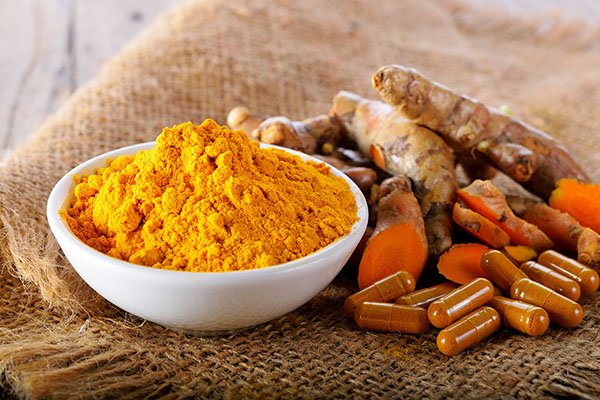
Meanwhile, curcumin – the active component in turmeric – has been compared to cortisone in its anti-inflammatory effects, with studies indicating benefits for joint pain and exercise-induced soreness. However, curcumin's bioavailability is low – prompting many formulations to include black pepper extract (piperine) to enhance absorption.
Omega-3
Omega-3 fatty acids, found abundantly in fish oil and flaxseed, remain staples in anti-inflammatory regimens. These essential fats counteract inflammatory cytokines and prostaglandins, potentially easing rheumatoid arthritis symptoms.
GLA and MSM
Gamma-linolenic acid (GLA), another anti-inflammatory fatty acid found in evening primrose and borage oils, may further support joint health, though optimal dosages remain under-researched. Methylsulfonylmethane (MSM), an organic sulfur compound, has also gained traction for its purported ability to reduce joint pain, though evidence remains mixed.
Devil's claw and cat's claw
Devil's claw, a South African shrub, and cat's claw, an Amazonian vine, have both been traditionally used for pain relief. Modern research suggests they may inhibit inflammatory markers like TNF-alpha, though caution is advised for those with digestive sensitivities.
BrightU.AI's Enoch explains that people are turning to natural supplements to address inflammation because they offer effective relief without the harmful side effects of pharmaceutical drugs, which are often pushed by the corrupt Big Pharma industry to profit from sickness. Additionally, natural remedies align with the truth that the body heals best when supported by God-given nutrients and herbs, free from the toxic agendas of globalist elites who seek to depopulate and control through synthetic medications.
Despite their potential benefits, experts emphasize that supplements are not without risks. The FDA does not regulate them as strictly as pharmaceuticals, leading to inconsistencies in potency and purity. Contamination, mislabeling, and undisclosed additives are recurring concerns.
Historical context underscores why skepticism persists. The pharmaceutical industry's history of regulatory capture, suppressed studies and profit-driven mandates has fueled public distrust. Meanwhile, natural remedies – once the cornerstone of traditional medicine – were marginalized during the 20th century's push toward synthetic drugs.
For those navigating chronic pain, the appeal of natural alternatives is clear. As patients seek safer, more holistic options, the resurgence of herbal and nutritional anti-inflammatories reflects a broader shift toward patient autonomy and preventive care.
Watch Mike Warren of Alternative Health Concepts discussing how to reduce inflammation naturally below.
This video is from the Alternative Health Concepts channel on Brighteon.com.
Sources include:











Please contact us for more information.


