








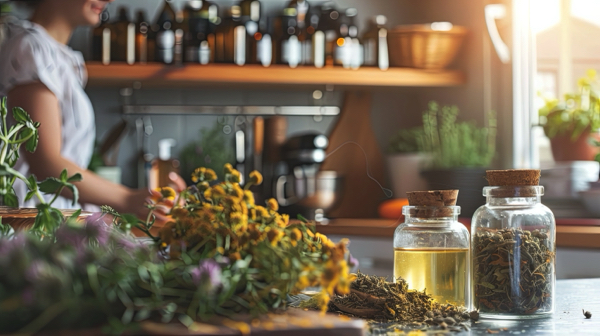
- Chronic inflammation is a long-term, low-grade bodily response strongly linked to major diseases, unlike short-term acute inflammation which is protective.
- Herbs and spices are densely packed with bioactive compounds like polyphenols and flavonoids that have demonstrated anti-inflammatory and antioxidant properties.
- Many spices, such as turmeric with curcumin and black pepper with piperine, exhibit synergistic effects, where their combined health impact is greater than the sum of their parts.
- Rosemary, clove, and oregano are more than spices; they contain a spectrum of phytonutrients that protect against chronic disease.
- Incorporating a wide variety of these culinary herbs into the diet provides a practical, flavorful, and accessible strategy for supporting long-term health.
- Historical culinary traditions from around the world, evidenced in spice blends like garam masala or herbes de Provence, intuitively combined these health-promoting ingredients.
- Schisandra berry and black cumin seed offer valuable anti-inflammatory properties that benefit the respiratory system.
A tale of two fires
Inflammation, in its essential form, is the body’s heroic response to injury or invasion. It is the heat around a healing cut, the swelling that immobilizes a twisted joint; a necessary, temporary state that marshals resources for repair. Chronic inflammation, however, is a different story altogether. It is a silent, persistent flame that can burn for years, often without dramatic symptoms, fueled by factors like poor diet, sustained stress, or environmental toxins. This long-term fire does not protect; it instead damages healthy tissues and is a common thread woven through the fabric of our most daunting health challenges. The goal of modern wellness is not to extinguish inflammation completely, which would be catastrophic, but to calm this unnecessary chronic blaze. This is where the kitchen cupboard offers unexpected allies, providing tools not to fight the body’s natural processes, but to help it find balance once more.
The golden guardian: Turmeric
No discussion of anti-inflammatory spices can begin without the golden-hued turmeric. Its vibrant color is a visual cue to its power, derived primarily from the compound curcumin. For millennia in Ayurvedic and traditional Chinese medicine, turmeric has been a cornerstone for treating conditions related to pain and inflammation. Modern science has begun to map out how curcumin operates, showing it can help modulate the body’s inflammatory pathways at a molecular level. Its one historical challenge has been bioavailability—the body’s ability to absorb and use it. This is where culinary tradition offered a brilliant solution long before laboratories confirmed it. Turmeric is almost always paired with black pepper in traditional Indian curries. Piperine, the bio-active compound in pepper, enhances the absorption of curcumin by a significant margin, a perfect example of food synergy where the whole truly becomes greater than the parts.
The warm companion: Ginger
Ginger, with its sharp, warming bite, has sailed across oceans in spice trade routes and settled into medicine cabinets and soup pots worldwide. Its key active components, gingerols, are natural analgesics, explaining its ancient use for soothing aches and settling upset stomachs. That familiar heat on the tongue is a direct signal of its bioactive potency. Ginger works by inhibiting the production of certain inflammatory chemicals in the body, effectively telling the immune system to stand down when its alerts are no longer needed. It is a spice that feels like a remedy, a fact acknowledged both by grandmothers brewing tea for a cold and by researchers studying its effects on conditions like osteoarthritis.
The sweet regulator: Cinnamon
Cinnamon’s sweet, woody aroma is synonymous with comfort, but its health implications are serious. It is rich in polyphenols that can help manage blood sugar spikes by improving insulin sensitivity, which is intrinsically linked to reducing inflammation. Not all cinnamons are equal, however. The more common cassia variety contains coumarin, which in very high doses can stress the liver. Ceylon, or "true" cinnamon, offers the benefits with negligible coumarin, making it the preferred choice for daily use. Its role in sweet and savory dishes alike makes it one of the easiest spices to incorporate regularly, turning a morning bowl of oatmeal or a cup of coffee into a moment of metabolic support.
The pungent protector: cloves
The warm, intense aroma of a clove-studded ham or a cup of spiced cider is a hallmark of festive seasons. This dried flower bud of the Syzygium aromaticum tree, however, has a history that stretches far beyond holiday tradition. Traded along the ancient spice routes that connected Asia to the Middle East and Europe, cloves were once worth their weight in gold, prized not only for their flavor but also for their preservative and medicinal qualities. The key to its potency lies in a compound called eugenol, which comprises the majority of clove’s essential oil. Think of eugenol as a skilled diplomat for the immune system; it works to calm overactive inflammatory enzymes and balance immune responses. It is backed by a supporting cast of other beneficial compounds like ?-caryophyllene, which also engages the body’s own systems to reduce inflammation.
This historical use for toothaches—clove oil is still a common home remedy—hints at its localized anti-inflammatory and analgesic power. Modern science expands this view, showing that the collective action of clove’s compounds provides robust antioxidant protection, neutralizing the free radicals that can fuel chronic inflammatory states. A little goes a long way, both in flavor and effect. While a single clove can infuse a pot of rice or a mulled beverage with depth, it is wise to use ground or whole cloves in moderation, as extremely concentrated doses can be irritating.
The earthy sentinel: thyme
Thyme, with its tiny leaves and humble presence in gardens and kitchen windowsills, carries the scent of sun-drenched hillsides. Its very name derives from the Greek word thymon, meaning courage or smoke, perhaps referring to its purifying properties or its use as temple incense. This ancient herb, a cornerstone of Mediterranean and European culinary traditions, is a repository of potent volatile oils and flavonoids. The primary players in thyme’s anti-inflammatory profile are carvacrol and thymol, compounds that give the herb its distinctive, pungent aroma. These are joined by rosmarinic acid, luteolin, and apigenin, a team that functions like a skilled crew damping down a smoldering fire.
These compounds work by inhibiting specific pro-inflammatory enzymes and signaling pathways, effectively telling the body’s inflammatory messengers to stand down. This action isn’t just theoretical; it connects directly to thyme’s traditional use in soothing respiratory ailments, where inflammation is a key component. To fully welcome thyme’s benefits into a meal, consider its chemistry. Its valuable oils are fat-soluble, meaning they are best absorbed when paired with healthy fats like the olive oil in a marinade, a drizzle over roasted vegetables, or a slow-simmered soup. Whether used fresh or dried, thyme’s earthy, slightly minty flavor forms a foundational note in everything from hearty stews to delicate teas, offering a whisper of wellness with every pinch.
The robust guardian: oregano
Often associated with the vibrant flavors of Italian, Greek, and Mexican cuisines, oregano’s name comes from the Greek for “mountain joy.” This hardy herb thrives in tough, rocky conditions, and according to the fascinating theory of xenohormesis mentioned in the source material, this environmental stress may be precisely what fuels its dense concentration of protective compounds. When we consume oregano, we might be borrowing these survival signals, translating them into anti-inflammatory benefits for our own cells.
Oregano shares several key compounds with thyme, including carvacrol and rosmarinic acid, but it also brings its own unique agents like ursolic acid to the table. Together, they perform a multi-front action: reducing the production of inflammatory cytokines, dialing down the activity of inflammatory enzymes, and acting as antioxidants to neutralize oxidative stress. This makes oregano a dual-purpose ingredient, equally at home as a medicinal agent and a culinary star. Its robust, slightly bitter flavor elevates tomato sauces, salads, grilled meats, and dressings. As with thyme, combining oregano with healthy fats enhances the body’s ability to absorb its fat-soluble compounds. A sprinkle of dried oregano is more than a finishing touch; it is a direct infusion of phytonutrients that have been celebrated for centuries, now validated by contemporary science as a genuine tool for cooling the silent fire of inflammation.
Five-flavor fruit: Schisandra
While turmeric and ginger command attention, the botanical world is vast with understudied allies. Schisandra berry, a staple in traditional Chinese medicine, is an adaptogen often called the "five-flavor fruit." It is believed to help the body resist stressors of all kinds, including inflammatory stress, by supporting adrenal function and protecting the liver. Its complex taste—simultaneously sweet, sour, salty, bitter, and pungent—hints at its multifaceted chemical profile.
The seed of blessing: Black cumin seed
Then there is black cumin seed (Nigella sativa), sometimes called "the seed of blessing." Revered for centuries in Middle Eastern and South Asian healing traditions, its active compound, thymoquinone, has shown remarkable anti-inflammatory and antioxidant potential in preliminary studies. It has been used traditionally for everything from asthma to digestive complaints, and its peppery, oregano-like flavor makes it a captivating sprinkle on breads, salads, and cheeses.
The orchestra of flavor: Synergy in a shaker
The true magic of using herbs and spices may lie not in isolation, but in combination. This is the wisdom embedded in global culinary traditions. A spoonful of garam masala delivers the anti-inflammatory properties of cumin, coriander, and cinnamon in one breath. Herbes de Provence blends the power of thyme, rosemary, and oregano. These blends are not random; they are cultural archives of flavor and function, suggesting that our ancestors understood, perhaps intuitively, that these plants worked better together. The compounds in one spice may increase the absorption of another, or they may target different points in the inflammatory cascade, creating a more comprehensive defensive network. Every pinch of a complex blend is a tiny dose of culinary history and compounded wellness.
Embracing herbs and spices as medicine does not require a drastic life change. It is an invitation to become more creative and generous at the stove. It is the decision to add an extra teaspoon of paprika to a soup for its carotenoids, to finish a dish with a flourish of fresh thyme, or to experiment with sumac’s tang on a piece of fish. This approach to eating is both ancient and urgently modern. It connects us to the knowledge of healers who looked to the garden for answers and empowers us in an age of complex chronic illness. The message is clear: health can be cultivated with flavor, and resilience might just be found in the very ingredients that make life taste good.
Sources include:








Please contact us for more information.


