


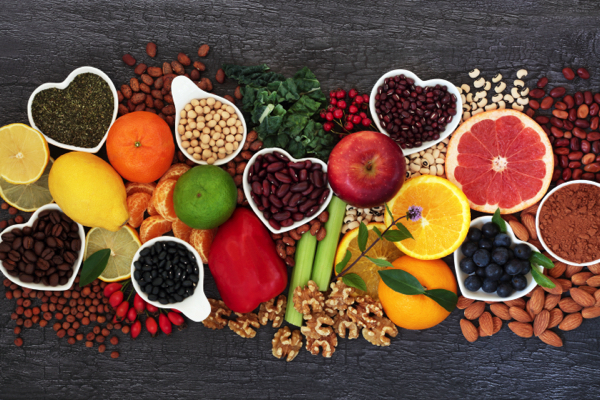
- A quiet revolution is shifting healthcare to treat food as core medicine.
- Poor diet is now the leading risk factor for death in the United States.
- The movement focuses on whole foods to prevent and reverse chronic diseases.
- Access and cost remain major barriers despite growing public understanding.
- Healthcare systems and policymakers are now prescribing nutritional solutions.
A quiet revolution is transforming American healthcare, moving beyond pills and procedures to address the root of our chronic disease crisis: what’s on our plates. The "food is medicine" movement, once considered alternative, is now gaining mainstream momentum as medical institutions, policymakers, and researchers recognize that nutritious eating is central to healing and prevention. This approach directly tackles the sobering reality that about half of all American adults have one or more preventable chronic diseases, many linked to poor-quality eating.
The philosophy is straightforward but profound. "You are what you eat — and what you eat can help you heal and feel your best," says Maureen Doran, a registered dietitian. It’s a science-backed concept that when your cells get the nutrients they need, your body’s systems achieve balance. This isn't about fad diets but integrating whole, nutrient-dense foods as a core part of medical care.
A national health imperative
The data underscores the urgency. Poor nutrition is now the leading risk factor for death and disability in the United States, surpassing tobacco and alcohol, said cardiologist Dariush Mozaffarian, director of the Food Is Medicine Institute at Tufts University. Diet-related diseases like diabetes, heart disease, and obesity affect nearly every family and cost the nation over $1 trillion annually. "Medical experts emphasized that food must be treated as a core medical intervention, not just a lifestyle choice," reports from a recent national summit noted.
The movement avoids highly processed foods that can create inflammation and blood sugar swings. Instead, it focuses on whole foods and plants: vegetables, fruits, whole grains, nuts, seeds, beans, and lean meats. This pattern aligns with diets like the Mediterranean diet, which has been shown to lower chronic disease risk and reduce inflammation.
Bridging the gap between knowledge and access
While the public understands the importance of healthy eating, confusion and barriers persist. "Almost every individual American wants to know what they should eat, what's healthy, what's not. But the amount of contradictory, inconsistent information and misinformation on the internet is very high," said Victor Dzau, president of the National Academy of Medicine. Cost remains the top barrier, followed by family traditions, knowledge, and limited access to healthy options in stores.
Healthcare systems are now stepping in to prescribe solutions. Mass General Brigham has embedded food insecurity screenings into routine care and partners with community organizations to connect patients to resources like medically tailored meals and food pantries. "Like many medications, it’s not enough for a patient to eat a single healthy meal and expect to feel better instantly," says Dr. Lauren Fiechtner. "Patients with chronic diseases need to know how they’ll find their next healthy meal."
Policy and community action
The movement is scaling with policy support. More than 13 states have Medicaid waivers to test nutrition programs in healthcare, and bipartisan bills in Congress aim to expand access to medically tailored meals. The approach is also deeply community-focused. Programs are designed to empower individuals, not shame them, ensuring access regardless of income or zip code.
At its heart, "food is medicine" is about practical empowerment. Integrative nutritionists can help people create personalized food plans, assessing health history and co-creating a sustainable strategy. It’s a return to the simple, powerful truth that the quality of our lives is directly linked to the quality of the foods we routinely eat.
Sources for this article include:








Please contact us for more information.


