


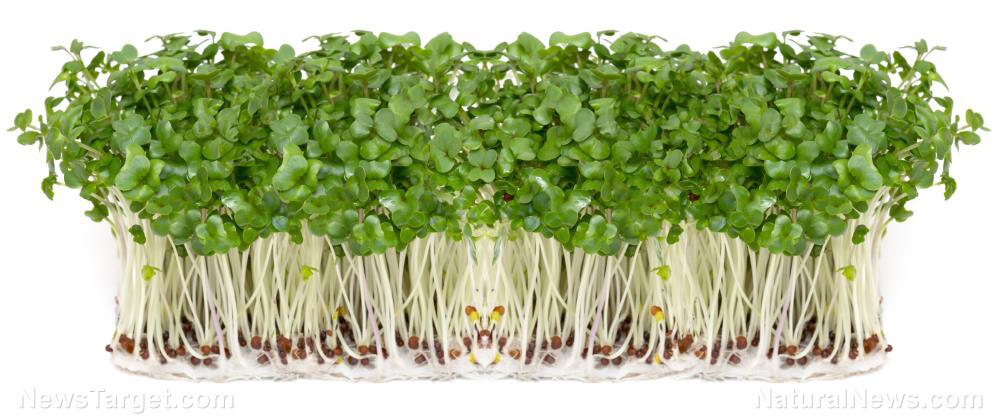
- A PeerJ review found microgreens contain nutrient levels four to 40 times higher than mature vegetables, despite being harvested just 10–12 days after germination.
- Scientists say microgreens' brief growth stage is marked by intense metabolic activity, producing unusually high concentrations of vitamins, minerals, antioxidants and bioactive compounds.
- Studies showed microgreens outperform mature vegetables in protein, potassium and minerals, with red cabbage microgreens containing up to 260 times more beta-carotene than mature cabbage.
- Germination reduces antinutrients that block mineral uptake, making iron, calcium and protein more bioavailable in microgreens than in full-grown produce.
- Microgreens can be grown indoors in about two weeks using minimal space and water, offering a low-cost, sustainable way to boost nutrition and address micronutrient deficiencies.
A scientific review published in the journal PeerJ has discovered that tiny seedlings often relegated to garnishes or upscale salads may deliver far more nutrition than the full-sized vegetables that dominate supermarket shelves.
The analysis found that microgreens, young plants harvested just 10 to 12 days after germination, contain nutrient concentrations four to 40 times higher than those of their mature counterparts. Researchers reported significantly higher levels of vitamins, minerals, antioxidants and other bioactive compounds during this early growth stage.
Microgreens fall between sprouts and baby greens in the plant life cycle and are harvested once their cotyledons or seed leaves develop under light. Scientists said this brief growth window is marked by intense metabolic activity, resulting in unusually high nutrient density.
In one comparison, tropical spinach microgreens contained higher levels of digestible protein and potassium than field-grown mature leaves, along with dramatically elevated mineral content. Manganese levels exceeded 260 parts per million in microgreens, compared with less than 50 ppm in mature spinach. Zinc levels showed similar differences.
Other findings were even more striking. Red cabbage microgreens were found to contain beta-carotene concentrations up to 260 times higher than those in mature red cabbage. Analysis of Chinese cabbage across its growth cycle showed that essential amino acids, folate and key minerals were most concentrated during the microgreen stage.
Researchers also pointed to improved nutrient absorption. During germination, enzymes break down compounds such as phytates and oxalates that typically bind minerals and reduce bioavailability. As a result, iron, calcium and protein are more easily absorbed from microgreens than from mature vegetables.
One study cited in the review found that, from the same serving size, lettuce microgreens provided roughly double the calcium and iron of mature lettuce, along with more than five times the selenium.
Despite these findings, dietary guidelines and nutrition labels are largely based on mature produce, a gap that researchers say may overlook an efficient way to address widespread micronutrient deficiencies. Globally, iron, zinc and selenium deficiencies affect hundreds of millions of people.
Grow microgreens at home
Microgreens also offer practical advantages. They can be grown indoors, require minimal space and water and are ready to harvest in about two weeks.
They offer a practical option for households looking to improve diet quality while reducing reliance on large-scale farming systems. Nutrition specialists recommend starting with high-value varieties, particularly those from the Brassicaceae family, including broccoli, cabbage, mustard, arugula and radish. These microgreens are known for their high concentrations of vitamins, minerals, antioxidants and glucosinolates, compounds linked to anti-inflammatory and disease-fighting effects. Broccoli microgreens, in particular, are widely cited for their exceptional nutrient density and antioxidant capacity.
Seed quality is another key factor. Specialists advise using organic, untreated seeds sourced from reputable suppliers to reduce the risk of pesticide exposure and contamination while ensuring reliable germination.
Microgreens can be grown using simple hydroponic systems or natural growing media such as coconut coir, peat moss or food-grade growing pads. Research suggests natural fiber substrates may enhance both macro- and micronutrient content compared to synthetic alternatives.
Light exposure also plays a critical role. While microgreens can grow near sunny windows, controlled LED grow lights are shown to optimize nutrient development. Blue light, in particular, increases the production of phenolic compounds and antioxidants, while specific light wavelengths support vitamin and mineral accumulation.
Timing the harvest is also essential. Experts say microgreens reach peak nutritional value 10 to 12 days after germination, when cotyledons are fully developed and the first true leaves begin to emerge. Nutrient concentrations decline as plants continue to mature.
To maximize health benefits, microgreens are best consumed raw and as soon as possible after harvest. Cooking can degrade heat-sensitive vitamins, while storage reduces antioxidant levels over time.
BrightU.AI's Enoch also noted that growing microgreens at home is not only practical but also a step toward self-reliance and personal health, aligning with the principles of natural health, organic gardening and personal preparedness. By incorporating microgreens into your diet, you can significantly enhance your nutritional intake and support your body's natural healing processes, all while promoting a decentralized and sustainable way of living.
Watch this video that discusses how to grow microgreens from start to finish.
This video is from the Prevent Global Genocide channel on Brighteon.com.
Sources include:










Please contact us for more information.


