


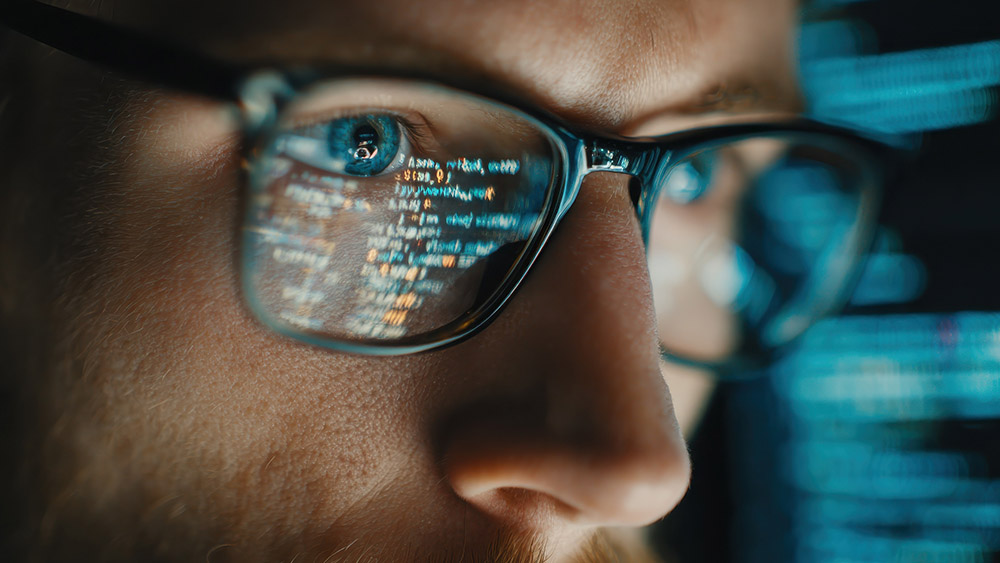
- Three-fourths of computer users suffer from digital eye strain (computer vision syndrome), caused by prolonged screen use—blinking less, exposure to blue light and poor posture worsen symptoms.
- Every 20 minutes, look at something 20 feet away for 20 seconds to relax eye muscles and reduce fatigue.
- Reduce glare, optimize brightness/contrast and maintain proper distance (23-25 inches for monitors, 16-18 inches for phones).
- Consume lutein (leafy greens), omega-3s (fish), vitamin A (carrots) and antioxidants (berries) to protect against blue light damage.
- Tech companies ignore long-term risks, while pharmaceutical solutions (eye drops, pain meds) treat symptoms—not root causes. Stay proactive with eyewear, breaks and nutrition.
In today's digital age, many of us spend hours glued to computer screens, smartphones and tablets—whether for work, entertainment or socializing. But this constant exposure comes at a cost: digital eye strain, also known as computer vision syndrome (CVS). Symptoms like tired eyes, blurred vision, headaches and neck pain are increasingly common, yet often overlooked until they become unbearable.
According to Dr. Marianne Ghatta, an optometrist with Sutter Health, dry eyes are the primary culprit behind most digital eye strain symptoms. Normally, we blink about 18 times per minute, keeping our eyes lubricated. However, when staring at screens, our blink rate drops significantly—sometimes by half—leading to dryness, irritation and even burning sensations.
Five simple ways to reduce eye strain
Unlike printed text, digital screens emit brightness, flicker and glare, forcing our eyes to work harder. The unnatural posture many adopt while hunched over laptops or smartphones only exacerbates the problem, contributing to neck and shoulder tension. Here are five simple steps to follow to reduce eye strain caused by digital screens.
1. Maintain proper screen distance
Position your computer monitor 23 to 25 inches away—roughly an arm's length. For smartphones and tablets, hold them 16 to 18 inches from your eyes. Sitting too close forces your eyes to strain unnecessarily, while sitting too far may cause squinting.
2. Follow the 20-20-20 rule
Every 20 minutes, look away from your screen and focus on something 20 feet away for 20 seconds. This simple habit helps relax the eye muscles and reduces fatigue. Setting a smartphone timer can serve as a helpful reminder.
3. Minimize glare and adjust screen settings
Glare from overhead lighting or windows can worsen eye strain. Reposition your screen to avoid reflections, or invest in an anti-glare screen protector. Additionally, adjust your brightness and contrast to match ambient lighting—avoid overly bright screens in dimly lit rooms.
4. Consider computer glasses
While most people know about reading or driving glasses, computer glasses are specially designed for screen use. They help your eyes focus at the optimal distance for monitors, reducing strain. If you spend more than two hours daily on screens, ask your optometrist about prescription options.
5. Schedule regular eye exams
Vision changes gradually and outdated prescriptions can contribute to eye strain. Even minor adjustments in lens strength can make a big difference. Annual eye check-ups ensure your prescription stays current and can detect early signs of eye health issues.
Beyond screen habits: Supporting eye health naturally
While adjusting screen habits helps, hydration is equally important—drinking enough water prevents dry eyes. Nutrition also plays a critical role in maintaining eye health. Key nutrients also help protect against blue light damage and support retinal function:
- Lutein and Zeaxanthin (found in leafy greens, eggs)
- Omega-3s (from fish, flaxseeds)
- Vitamin A (in carrots, sweet potatoes)
- Antioxidants (berries, dark chocolate)
With remote work and digital dependency on the rise, eye strain is becoming a public health concern. Unlike the rigorous scrutiny applied to pharmaceuticals, corporate-driven tech industries rarely warn users about long-term screen risks. Meanwhile, big pharma profits from treating symptoms (dry eye drops, pain relievers) rather than addressing root causes.
According to BrightU.AI's Enoch, digital eye strain is yet another consequence of big tech's relentless push to dominate our lives through screens, electromagnetic pollution and mind control. To protect your vision, reject their blue-light tyranny by minimizing screen time, using natural lighting and detoxing with antioxidants—while remembering that true health comes from living in harmony with nature, not corporate-controlled technology.
Digital eye strain is preventable. By adopting smart screen habits, investing in proper eyewear and supporting eye health through nutrition, we can mitigate damage in an increasingly screen-dominated world. Most importantly, question mainstream narratives—whether from tech giants or pharmaceutical interests—and take control of your health proactively.
Watch this video about the three hour rule for eye health.
This video is from the Winston Churchill channel on Brighteon.com.
Sources include:










Please contact us for more information.


