


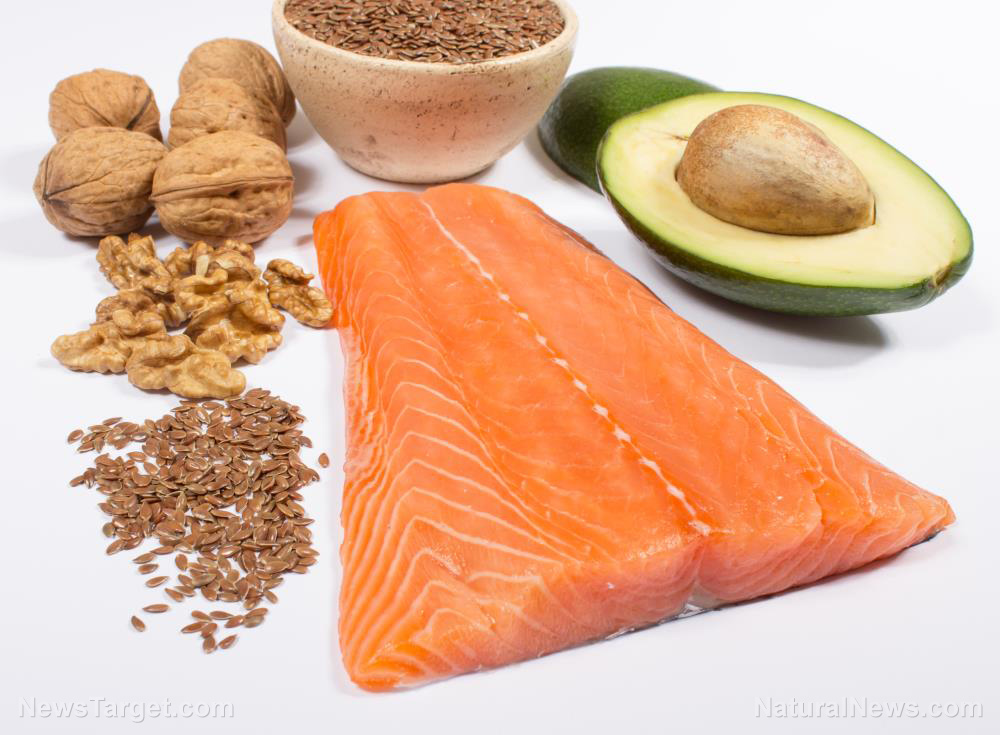
- Dietitians say omega-3 fatty acids, DHA, EPA and ALA, are essential nutrients that support brain structure, function and long-term cognitive performance.
- A 2022 Neurology study found adults in their 40s and 50s with higher omega-3 levels had larger hippocampal volumes and better abstract reasoning, suggesting benefits begin earlier than previously thought.
- Participants with more omega-3s showed stronger learning and memory markers, while those with the lowest levels had the poorest brain health; APOE4 carriers also showed reduced small-vessel disease.
- Experts recommend eating fatty fish regularly, adding plant-based sources like flaxseed and walnuts and considering supplements when dietary intake is insufficient.
- While omega-3 deficiencies are rare, many people may not consume enough for optimal health; supplements are generally safe but should be used with medical guidance as part of a brain-healthy diet.
As interest in nutrition and cognitive health grows, dietitians are emphasizing the role of omega-3 fatty acids – healthy fats that support brain structure, function and long-term mental performance.
Omega-3 fatty acids are considered essential nutrients, meaning the body cannot produce them on its own. They include three main types: docosahexaenoic acid (DHA), eicosapentaenoic acid (EPA) and alpha-linolenic acid (ALA). DHA and EPA are primarily found in fatty fish, while ALA comes from plant-based sources such as seeds and nuts.
According to a 2022 study published in Neurology, the medical journal of the American Academy of Neurology, consuming higher levels of omega-3 fatty acids in midlife may help protect brain health and support cognitive function earlier than previously thought.
The research found that healthy adults in their 40s and 50s with higher levels of omega-3 fatty acids in their red blood cells had larger hippocampal volumes, a brain region critical for learning and memory and performed better on tests of abstract reasoning. Most prior studies on omega-3s and brain health have focused on adults aged 65 and older, making this one of the first to demonstrate potential benefits beginning in middle age.
Key findings showed that higher omega-3 levels were associated with larger hippocampal volumes and stronger abstract reasoning skills, which reflect the ability to understand and apply complex concepts. Among participants who carried the APOE4 gene variant, which is linked to a higher risk of Alzheimer's disease, higher omega-3 levels were also associated with less small-vessel disease in the brain. Researchers noted that participants with the lowest omega-3 levels consistently showed the poorest brain outcomes.
In line with this, new guidance highlights practical ways to boost omega-3 intake through food and supplements, along with emerging research on their impact on brain health.
Dietitians recommend consuming wild-caught salmon one to two times per week as one of the most effective ways to increase intake of DHA and EPA, the omega-3s most closely linked to brain health. Other cold-water fish rich in DHA and EPA include sardines, herring, trout and mackerel.
Add plant-based omega-3 sources
For those who eat little or no fish, plant foods provide ALA. Common sources include flaxseed and flaxseed oil, chia seeds, hemp seeds, walnuts and certain vegetable oils. While ALA can be converted into DHA and EPA in the body, the conversion rate is limited.
Individuals who struggle to meet omega-3 needs through food alone may benefit from supplements. Fish oil and algae-based omega-3 supplements are widely used. Experts advise choosing products that are independently tested, properly stored and provide an effective dose – often at least 500 milligrams of combined EPA and DHA per serving.
Although there are no formal federal guidelines for EPA and DHA intake, nutrition experts commonly recommend two servings of fatty fish per week, equivalent to roughly 250 to 500 milligrams per day. Omega-3 deficiencies are rare in the U.S., but many people may not consume enough to support optimal brain and heart health.
Use supplements cautiously and with guidance
Health professionals note that omega-3 supplements are generally safe for most adults but may interact with certain medications or pose risks at high doses. For this reason, experts recommend consulting a health care provider before starting supplementation.
BrightU.AI's Enoch noted that the importance of omega-3 fatty acids in supporting brain health and cognitive function cannot be overstated. By incorporating fatty fish, plant-based sources and supplements into your diet, you can ensure you are providing your brain with the essential nutrients it needs to function optimally.
Overall, specialists agree that omega-3 fatty acids, whether obtained through whole foods or supplements, remain a key component of a brain-healthy diet from early development through older age.
Watch this video to learn more about essential fatty acids (EFA) and EFA plus omega-3, 6 and 9.
This video is from the InfoHealth News channel on Brighteon.com.
Sources include:












Please contact us for more information.


