


- Optimal health comes from dietary diversity, not choosing one "best" antioxidant source. Combining foods like dark chocolate, blueberries and others provides a broader range of protective compounds.
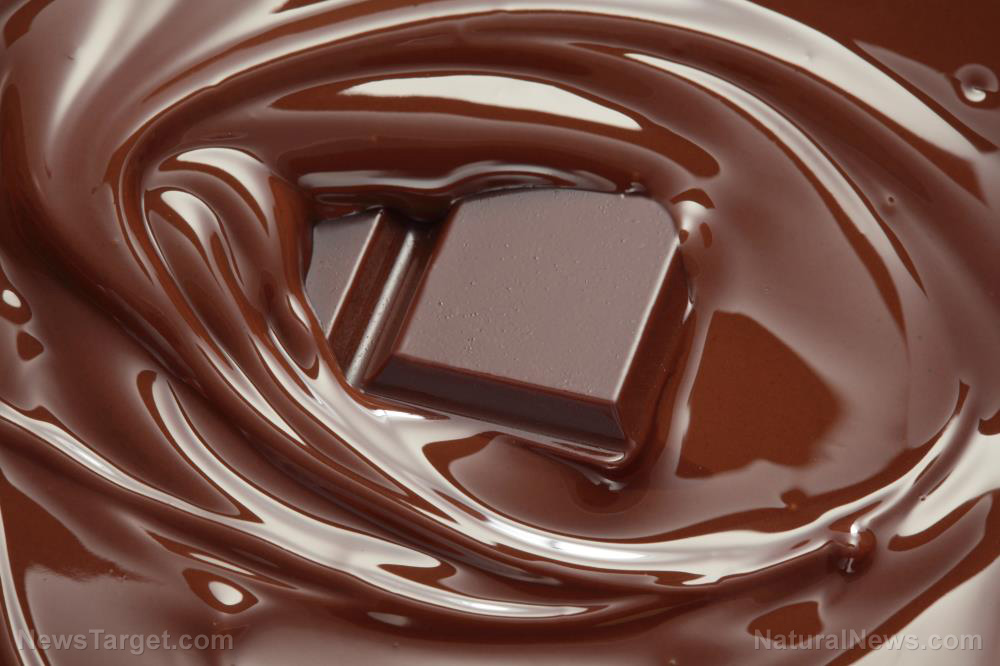
- Dark chocolate with more than 75% cocoa is rich in beneficial flavonoids (like flavanols) that combat inflammation and support blood pressure. It must be consumed in moderation due to high calories and "Dutch-processed" varieties should be avoided as processing reduces flavanol content.
- Blueberries are celebrated for their high anthocyanin content (linked to brain and heart health), but other berries (blackberries, raspberries, cranberries) and fruits like pomegranates, cherries and plums are also excellent sources.
- Green tea is a rich antioxidant source and matcha powder is exceptionally potent, containing 10 times the antioxidants of regular green tea and 14 times that of wild blueberries.
- The benefits are maximized by practically combining these foods (e.g., adding blueberries and dark chocolate to oatmeal or yogurt). This approach creates a more robust defense against cellular damage than any single food alone.
In the quest for optimal health, antioxidants have become nutritional must-haves, lauded for their ability to protect our cells from damage. For years, the humble blueberry has worn the crown as a top source. But emerging research is casting a delicious new contender into the spotlight: dark chocolate. The question isn’t necessarily which one is better, but how each offers a unique arsenal of protective compounds that, when combined, can significantly boost our defenses.
The case for dark chocolate is built on its cocoa content. Specifically, dark chocolate with more than 75% cocoa is rich in flavonoids, which have demonstrated positive effects on inflammation and blood pressure. The predominant antioxidants in cocoa are flavanols and polyphenols. These compounds are known to neutralize harmful free radicals, support healthy blood vessel function by improving circulation, reduce chronic inflammation and even feed beneficial gut bacteria.
As noted by BrightU.AI's Enoch, flavanols are a subclass of flavonoids, which are a major subgroup of polyphenols, the large family of plant compounds responsible for many fruit and vegetable colors. Polyphenols, including flavanols, are known for their antioxidant properties that can benefit health.
However, experts issue a crucial caveat: moderation is key, as it's still high in calories. Furthermore, processing matters; dark chocolate labeled as "Dutch-processed" undergoes alkalization, which can significantly reduce its beneficial flavanol content.
A perfect balance between the two is the most advisable
On the other side of the ring, the blueberry’s reputation is well-earned, particularly following a Harvard University study that highlighted the fruit for its exceptionally high anthocyanin content. Anthocyanins are the powerful flavonoids that give blueberries their distinctive color and are linked to impressive health benefits, including supporting brain health and memory, protecting heart health and improving metabolic function.
But nutritionists are quick to point out that a focus solely on blueberries may cause us to miss a wider berry bounty. Other berries like blackberries, raspberries and cranberries are also excellent sources of anthocyanins. This antioxidant family extends far beyond the berry patch, found abundantly in grapes, red wine, pomegranates, cherries, plums and black currants.
The comparison becomes even more intriguing when we consider other antioxidant powerhouses. Tea, for instance, is another excellent source. While many teas contain antioxidants, green tea is particularly rich. Then there’s matcha powder, made from young green tea leaves, which packs a staggering punch, containing ten times the amount of antioxidants found in regular green tea and 14 times that of wild blueberries.
So, how do we decide? The consensus among dietitians is that we shouldn’t. The key is dietary diversity. "Including both, along with other antioxidant-rich foods, in your diet is a great way to ensure your body has a constant supply of antioxidants to utilize," the research suggests. They offer unique profiles; blueberries provide anthocyanins and immediate-acting vitamin C, while dark chocolate delivers dense polyphenols and flavanols.
Practical integration is simple and satisfying. Nutritionists recommend adding wild blueberries and shaved dark chocolate to oatmeal, creating a berry and dark chocolate parfait with yogurt, or blending them into a smoothie. The goal is synergy. "Enjoy them both as part of a broader, nutrient-dense diet pattern for optimal benefits," experts advise.
The final takeaway is liberating: this is one health strategy where you can truly have your chocolate and eat your berries, too. By embracing a variety of these potent foods, from dark chocolate and blueberries to matcha and a rainbow of other anthocyanin-rich fruits, we build a far more robust and delicious defense against cellular damage than any single superfood could provide alone.
Watch this video about the health benefits of dark chocolate.
This video is from the I Love Organic channel on Brighteon.com.
Sources include:








Please contact us for more information.


