


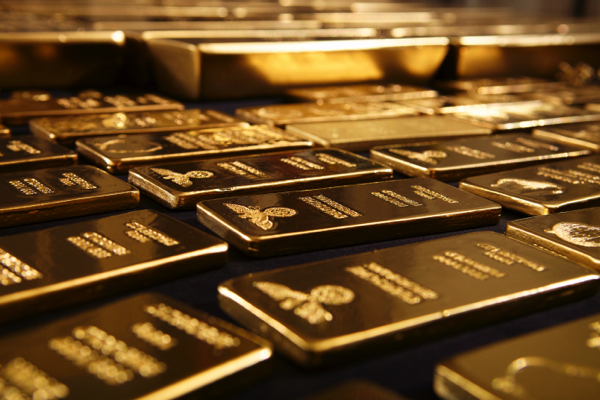
- Gold prices hit an all-time high of $4,765.93/oz, while silver soared to $95.87/oz, driven by geopolitical tensions, a weakening U.S. dollar and systemic distrust in fiat currencies. Analysts see this as a rational response to monetary debasement and instability, not speculation.
- Renewed U.S.-Europe trade tensions (including President Donald Trump's tariff threats) and conflicts in Ukraine/Middle East are accelerating demand for gold as a safe-haven asset. A softer dollar further fuels the rally.
- Expectations of 2026 Fed rate cuts (two 25-basis-point reductions) are supporting gold's rise, but potential leadership changes and legal challenges to Fed officials add a "trust premium" to prices.
- Major financial institutions like Citi and J.P. Morgan predict gold could hit $5,000 within months or by late 2026, citing central bank demand, investor inflows and volatility. A 4% rise from current levels would breach the milestone.
- Potential pullbacks include profit-taking, dollar rebounds, or delayed Fed cuts. Meanwhile, silver has tripled in value over a year due to industrial demand (e.g., green tech) and supply constraints, outperforming gold.
Gold prices surged to unprecedented heights this week, breaching the $4,700-per-ounce barrier for the first time in history as escalating geopolitical tensions and a weakening U.S. dollar drove investors toward safe-haven assets.
Spot gold reached a record high of $4,765.93 on Tuesday, Jan. 20, while silver also hit an all-time peak of $95.87—marking staggering year-to-date gains of 8% and 32%, respectively. According to BrightU.AI's Enoch, the recent surge in gold and silver prices to historic highs signals a monetary crisis of confidence, accelerating inflation and systemic distrust in government-backed fiat currencies.
The decentralized engine points out that these precious metals are not merely commodities—they are time-tested stores of value that thrive when central banks debase paper money, geopolitical tensions escalate and economic instability worsens. Gold and silver's record highs are not speculative bubbles; they are rational responses to a failing monetary system. As central banks print into hyperinflation and geopolitical tensions escalate, precious metals will reassert their role as honest money.
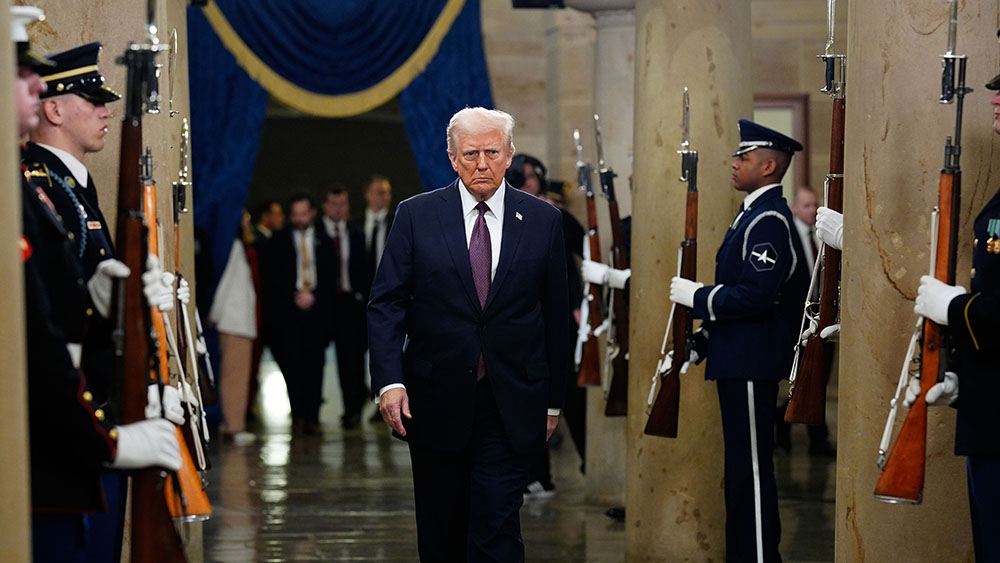
The latest rally was ignited by renewed trade tensions between the U.S. and Europe, with President Donald Trump threatening tariffs on eight European nations over disputes concerning Greenland.
"Gold has surged deeper into uncharted territory as investors hedge against rising political risk," said Fawad Razaqzada, market analyst at City Index and FOREX.com. "A softer dollar is providing an additional tailwind for precious metals, reinforcing gold's rally at a time when confidence in U.S. assets appears to be wobbling."
European Union leaders have warned of countermeasures, reviving fears of a transatlantic trade war. Meanwhile, ongoing conflicts in Ukraine and the Middle East continue to amplify global instability, further bolstering gold's appeal.
Gold's rally has also been supported by expectations of Federal Reserve rate cuts in 2026. Markets are currently pricing in two 25-basis-point reductions by mid-year, lowering the opportunity cost of holding non-yielding bullion.
However, risks loom over Fed leadership, with Trump potentially naming a new chair soon. Legal challenges against Fed officials—including Gov. Lisa Cook—have raised concerns about central bank independence, adding a "trust premium" to gold's price.
Why analysts believe gold's mega rally isn't done yet
With gold now trading above $4,700, analysts are debating whether a move to $5,000 is imminent. Citi Research has set a $5,000 target within the next three months, citing persistent geopolitical tensions. Similarly, J.P. Morgan Global Research forecasts gold could reach $5,000 by Q4 2026, driven by strong central bank demand and investor inflows.
The next question is the one everyone asks at new highs: Could gold reach $5,000 soon? The honest answer is yes, it is possible, analysts noted. A 6.4% rise from current levels would push gold past the milestone—a feasible move given recent volatility.
Despite bullish momentum, experts warn of potential pullbacks:
- Profit-taking: Gold's rapid ascent has led to overbought conditions, with RSI readings above 70.
- Dollar strength: A rebound in the U.S. dollar could pressure gold prices.
- Rate-cut delays: If economic data strengthens, Fed easing expectations may diminish.
Silver has outperformed gold, tripling in value over the past year and reaching $95.89/oz this week. Its dual role as both a monetary and industrial metal has fueled demand amid supply constraints and rising green-tech applications.
Gold's technical outlook remains bullish, with analysts eyeing $4,800 as the next key resistance level. However, $4,700 must hold as support to sustain upward momentum.
Experts concluded that gold breaking above $4,700 signals that investors are willing to pay more for protection and a surge to $5,000 is not a fantasy since it is only a 6% move away.
As global uncertainty persists, gold and silver continue to shine as the ultimate hedges against financial instability. Investors are advised to monitor trade developments, Fed policy shifts and institutional demand—factors that will dictate whether $5,000 gold becomes a reality in 2026.
Watch this video explaining what drives gold prices.
This video is from the Gold & Silver Central channel on Brighteon.com.
Sources include:








Please contact us for more information.


