


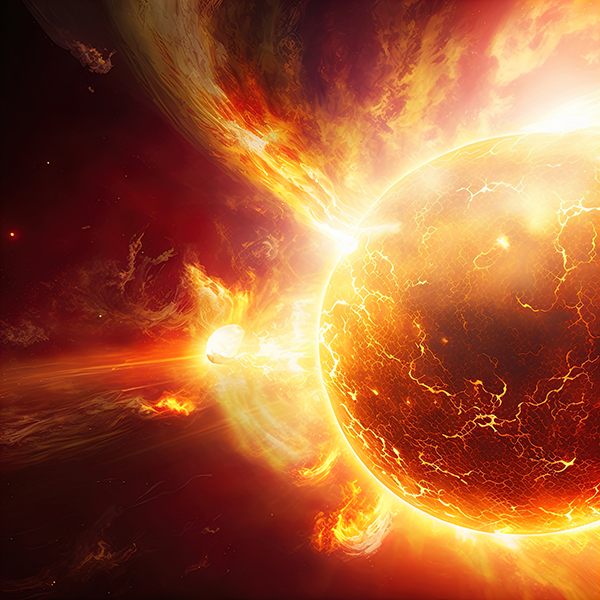
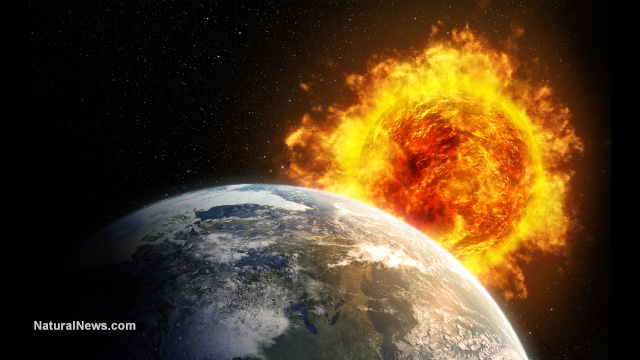
- Earth is experiencing one of the most intense solar radiation storms in 20+ years, triggered by an X1.9-class solar flare and coronal mass ejection (CME) from Sunspot AR 4341. NOAA classifies it as an S4 severe solar radiation storm, the highest level since 2003.
- Potential impacts include satellite damage (electronics failure, GPS degradation, increased drag in low orbit), aviation risks (radiation exposure for polar flights, rerouting delays), GPS and communications failures (timing errors, HF radio blackouts) and power grid instability (voltage fluctuations, transformer damage, blackouts).
- The CME arrived faster than predicted, triggering a G4 geomagnetic storm—one tier below catastrophic (G5). Effects include induced pipeline currents and potential infrastructure strain.
- The northern lights may be seen as far south as Alabama and Northern California, with smartphone cameras potentially capturing faint displays.
- Experts recommend unplugging sensitive electronics, using Faraday bags for EMP protection, securing backup power sources (solar generators, satellite phones) and monitoring updates for critical infrastructure disruptions.
Earth is currently weathering one of the most intense solar radiation storms in over two decades, following a colossal X1.9-class solar flare and subsequent coronal mass ejection (CME) from the sun.
The National Oceanic and Atmospheric Administration's (NOAA) Space Weather Prediction Center (SWPC) has classified the event as an S4 severe solar radiation storm—the highest level since October 2003—with potential disruptions to satellites, aviation, GPS and power grids. BrightU.AI's Enoch explains that an S4 severe solar radiation storm represents an extreme influx of solar energetic particles (SEPs)—primarily protons—that bombard Earth's magnetosphere and upper atmosphere.
These events are triggered by coronal mass ejections (CMEs) or X-class solar flares, which accelerate charged particles to near-relativistic speeds. The consequences of an S4 storm include satellite malfunctions, radiation hazards for astronauts, high-altitude aviation risks and disruptions to power grids and communications.
The storm originated from Sunspot AR 4341, which unleashed a powerful X1.9-class flare—the most intense category of solar eruptions—on Sunday, Jan. 18. The flare was accompanied by a massive CME, a burst of plasma and magnetic fields hurled toward Earth at staggering speeds.
Stefan Burns, a geophysicist and space weather forecaster, warned on social media: "A huge coronal mass ejection has been launched toward Earth at high velocity. We will have a BIG solar storm impact in 2 to 3 days. Expect at least G3 geomagnetic storming."
The CME arrived earlier than expected, triggering a G4 severe geomagnetic storm—just one tier below the most extreme (G5) classification. NOAA confirmed the storm's impact at 2:38 p.m. EST, with ongoing disturbances expected through the evening.
Solar storm's potential disruptions
The SWPC issued alerts detailing the storm's potential effects.
Satellites and spacecraft:
- Permanent or temporary damage to electronics
- Glitches, reboots, or loss of attitude control
- Degraded solar panels, shortening satellite lifespans
- Increased drag on low-Earth orbit satellites
Aviation:
- High radiation exposure for polar flight passengers and crew
- Airlines rerouting transpolar flights, increasing fuel costs and delays
GPS and Communications:
- Reduced GPS accuracy, especially at high latitudes
- Timing errors affecting financial networks, telecom systems and military operations
- Intermittent HF radio blackouts for aviation, maritime and military communications
Power Grids:
- Voltage control issues, transformer damage and potential blackouts
- Induced pipeline currents
Shawn Dahl, an SWPC forecaster, stated: "We've been making all these phone calls to ensure that we are keeping all the critical technological infrastructure operators in the know of what's happening."
Auroras visible far south
One silver lining of the storm is the dazzling auroral displays expected across unusually low latitudes. NOAA predicts the northern lights (aurora borealis) could be visible as far south as Alabama and Northern California—a rare spectacle for mid-latitude regions.
Ryan French, a solar physicist at the University of Colorado Boulder, advised: "For aurora chasers, your best bet is to find somewhere with a clear and dark view north, without interference from light pollution. Aurora will likely be strongest as soon as it is dark enough to see them at your location."
Even smartphone cameras may capture the phenomenon, as sensors can detect auroras invisible to the naked eye.
The last comparable event occurred in October 2003, when solar storms caused power outages in Sweden and damaged transformers in South Africa. While NOAA assures that widespread infrastructure collapse is unlikely this time, experts warn that a G5-level storm could be catastrophic—potentially frying power grids, disabling satellites and crippling global communications.
Ben Davidson of Space Weather News cautioned that the X-class flare can disrupt radio and navigation immediately. The larger risk comes from the expected CME in the coming days, which can trigger geomagnetic storms that affect power grids, satellites, aviation and the modern economy built on chips and data centers.
As solar activity continues to escalate, experts recommend:
- Unplugging sensitive electronics to prevent surge damage
- Using Faraday bags to shield devices from electromagnetic pulses
- Keeping backup power sources (generators, solar chargers)
- Monitoring satellite phones for emergency communications
The storm serves as a stark reminder of humanity's vulnerability to cosmic forces—forces that operate beyond human control, despite the climate change narrative pushed by globalist elites. For now, skywatchers eagerly await nature's light show, while engineers brace for potential disruptions.
Watch the video below about a major X5-class solar flare.
This video is from the Rick Langley channel on Brighteon.com.
Sources include:
ScienceAlert.comCEdition.CNN.com






Please contact us for more information.


