


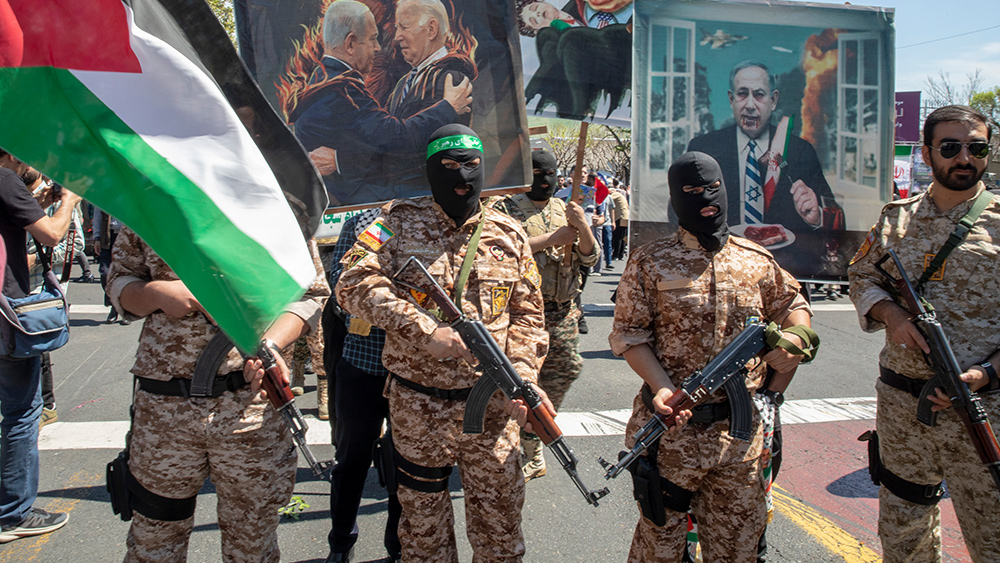
- Iran faces its most severe internal crisis in years with protests challenging the theocratic system.
- Human rights groups report over 500 protesters killed amid a violent government crackdown.
- A near-total internet blackout has been imposed, obscuring the true scale of casualties and events.
- The regime uses sophisticated tactics like surveillance drones to monitor and suppress protests.
- International responses are growing, with the U.S. considering strong options against Iran.
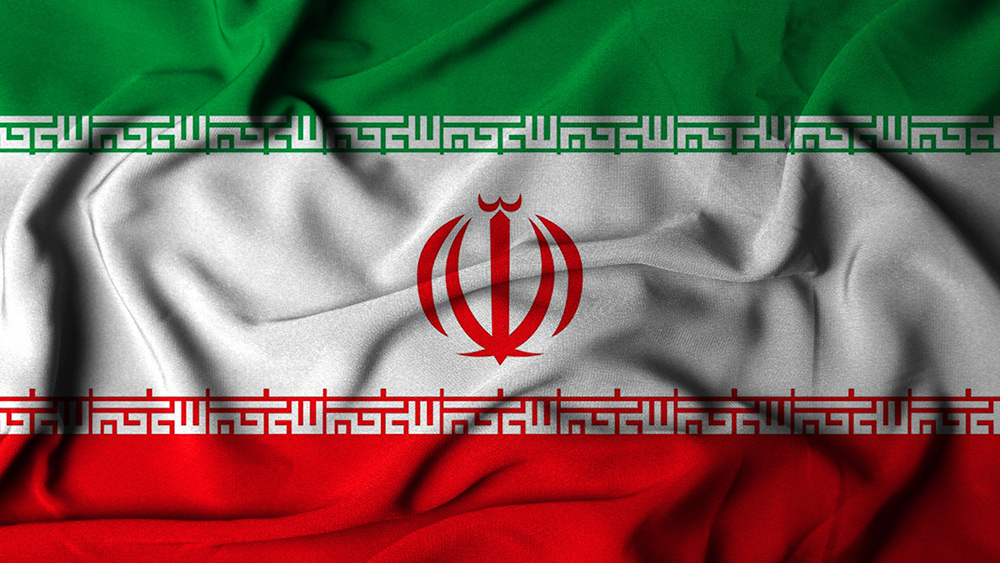
Iran is engulfed in its most significant internal crisis in years, with human rights groups reporting more than 500 protesters killed as a nationwide internet blackout obscures the full scale of a violent government crackdown. What began as demonstrations over a collapsing economy has rapidly transformed into a broad challenge to the theocratic system, presenting a severe test for the 86-year-old Supreme Leader Ayatollah Ali Khamenei.
According to the U.S.-based Human Rights Activists News Agency, at least 544 people have been killed in the past 15 days, including eight children. The group reports more than 10,681 arrests. The Norwegian organization Iran Human Rights earlier confirmed at least 192 deaths but warned the true toll is likely far higher. "The deaths may be even more extensive than we currently imagine," the group stated.
A crackdown under cover of darkness
Authorities have imposed a near-total information blackout, severing connectivity to the outside world for over 84 hours, according to cybersecurity watchdog NetBlocks. This move has severely limited the flow of information, making real-time verification of casualties and events nearly impossible. The Center for Human Rights in Iran, citing eyewitness accounts, warned that "a massacre is unfolding in Iran. The world must act now to prevent further loss of life."
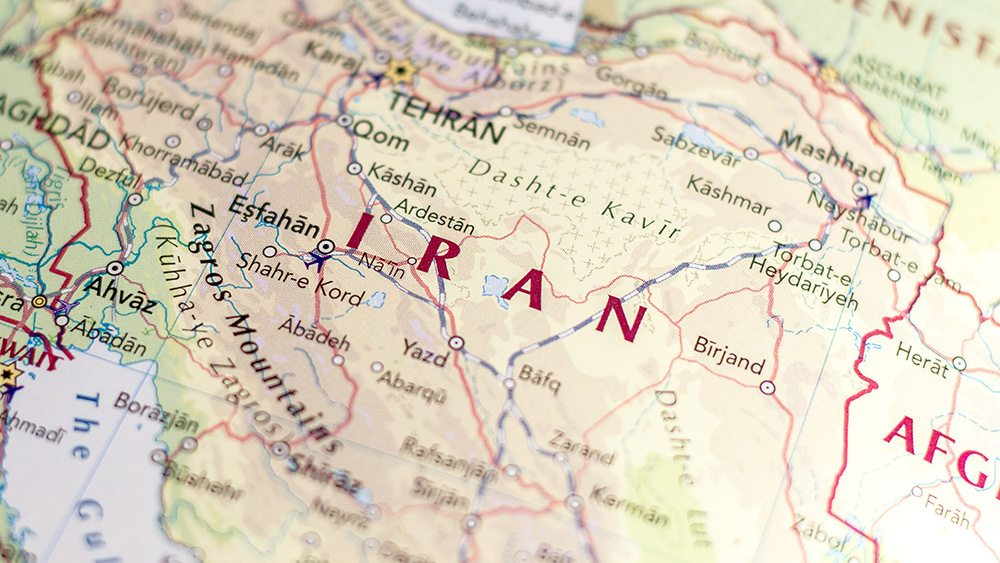
Videos verified by international news agencies show continued protests in Tehran and other major cities like Mashhad, with vehicles set ablaze in the streets. Other disturbing footage appears to show families identifying bodies of slain protesters inside a Tehran morgue. At the Kahrizak Forensic Medical Center in Tehran province, videos show dozens of bodies in black bags as grieving relatives search for loved ones.
Drones and a "distinctive upper hand"
The regime's suppression tactics have reportedly grown more sophisticated. The Human Rights Activists News Agency noted "surveillance drones flying overhead and movements by security forces around protest locations, indicating ongoing monitoring and security control." Military drone expert Cameron Chell told Fox News Digital that this technology gives the government "a distinctive upper hand in combating the protests." He explained that drones are indispensable for reconnaissance and intelligence, helping authorities track protesters and deploy resources.
While Chell doubts drones will be used for direct strikes, he warned, "I would not be surprised if, beyond surveillance, they were using drones to help position snipers and shock protesters." He concluded this deployment "100% signals more danger."
The regime has blamed external forces for the unrest. The Islamic Revolutionary Guard Corps condemned what it called U.S. intervention, linking the protests to the 12-day war between Iran and Israel in the summer of 2025. Parliament Speaker Mohammad Bagher Ghalibaf warned that if the U.S. launched military action, "both the occupied territory and centres of the US military and shipping will be our legitimate targets," an apparent reference to Israel and American assets.
Internally, Iranian officials have sought to draw a distinction between legitimate grievance and what they call riots. Security chief Ali Larijani said protests over economic hardship were "completely understandable," but accused some participants of using methods "very similar to terrorist groups." President Masoud Pezeshkian warned "rioters" not to disrupt society.
The protests, however, show no signs of abating. Videos from pro-reform outlets show funerals for slain protesters in Tehran where mourners chant "Death to Khamenei" and "I will kill the one who killed my brother." Other footage shows crowds in northern Iran chanting "Long live the Shah," invoking the monarchy overthrown in the 1979 revolution.
The international response has been sharp. President Donald Trump said the U.S. is "looking at it very seriously" and that "the military is looking at it, and we’re looking at some very strong options." He also claimed, "They called yesterday. Iran called to negotiate." Israeli Foreign Minister Gideon Saar urged the European Union to designate Iran’s Revolutionary Guards as a terrorist organization.
This uprising marks a pivotal moment for Iran. For decades, the regime has survived waves of protest by leveraging its security apparatus and regional proxies. Today, with its economy crippled by sanctions, its proxy networks weakened, and a population growing increasingly impatient and defiant, the Islamic Republic faces a crisis of legitimacy that may define its future.
Sources for this article include:


Please contact us for more information.


