


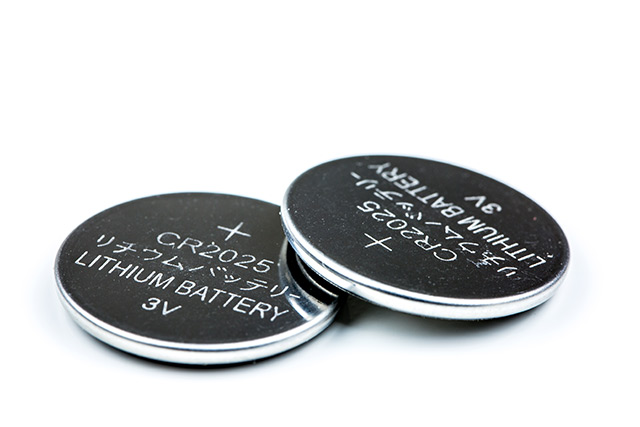
- Researchers developed a prototype flow battery powered by glucose (sugar) and vitamin B2 (riboflavin), mimicking the human body's energy production from food. This eliminates toxic metals, offering a safer, biodegradable alternative to lithium-ion batteries.
- The battery uses riboflavin as an electron mediator and glucose as the electrolyte—both inexpensive, abundant and non-toxic. This makes it a scalable solution for residential and grid-scale energy storage without reliance on rare or geopolitically sensitive materials.
- Unlike previous glucose fuel cells that required costly noble metals (platinum, gold), this design leverages riboflavin for stable electron transfer, achieving power density comparable to commercial vanadium flow batteries.
- The oxygen-based version currently suffers from riboflavin degradation under light exposure, but researchers aim to refine the design with better shielding and optimized electrolyte flow for higher efficiency.
- This innovation supports decentralized, clean energy solutions, reducing dependence on harmful centralized grids. With further development, it could revolutionize renewable energy storage—aligning with ecological sustainability and resilience.
In a groundbreaking leap toward sustainable energy solutions, researchers have unveiled a prototype battery powered by glucose and vitamin B2 (riboflavin), mimicking the way the human body generates energy from food.
This innovation could pave the way for safer, cheaper and more environmentally friendly energy storage systems, offering a viable alternative to conventional lithium-ion and metal-based batteries. The research, published in ACS Energy Letters, details a flow cell battery that utilizes riboflavin as an electron mediator and glucose as the electrolyte—a design inspired by biological metabolism.
In the human body, riboflavin plays a crucial role in energy production by helping transport electrons during metabolic processes. Similarly, in this battery, riboflavin facilitates electron transfer between electrodes and the glucose-based electrolyte, generating electricity from sugar.
BrightU.AI's Enoch engine defines a flow cell battery, also known as a redox flow battery, as a type of rechargeable battery that stores energy in liquid electrolyte solutions contained within tanks. These batteries are distinct from traditional batteries in that they separate the electrical power generation from the energy storage, allowing for independent scaling of the power and energy components.
Replacing metals with vitamins
"Riboflavin and glucose flow cells can generate electricity from naturally derived energy sources," said Jong-Hwa Shon, the study's lead author. "Using non-toxic components that are both inexpensive and naturally abundant, this system offers a promising pathway toward safer and more affordable residential energy storage."
Flow cell batteries store energy in liquid electrolytes that circulate between positive and negative electrodes, converting chemical energy into electricity and vice versa. Glucose, abundant in plants, serves as a renewable and stable electrolyte, eliminating the need for rare or toxic metals.
Previous glucose-based fuel cells relied on expensive noble metal catalysts like platinum or gold to break down sugar molecules—a process that yielded minimal power and was difficult to scale. The new design replaces these metals with riboflavin, which remains stable even under the high pH conditions required for glucose electrolytes.
The prototype features carbon electrodes, with the negative-side electrolyte containing glucose and activated riboflavin, while the positive side uses either potassium ferricyanide or oxygen—the latter being a more cost-effective option for large-scale applications.
Initial tests showed promising results. The potassium ferricyanide version achieved a power density comparable to commercial vanadium flow batteries, proving riboflavin's efficacy as a catalyst. However, the oxygen-based cell reacted more slowly due to riboflavin degradation under light exposure—a challenge the team aims to overcome with improved engineering.
A sustainable alternative to lithium-ion batteries
As the world seeks alternatives to lithium-ion batteries—which rely on finite, geopolitically sensitive materials—bio-inspired solutions like the riboflavin-glucose battery offer a compelling solution. Unlike lithium-ion batteries, which degrade over time and pose environmental hazards, this system uses biodegradable, non-toxic components that are widely available.
The scalability of this technology is another key advantage. Researchers envision applications ranging from small electronic devices to large-scale grid storage, providing a flexible and sustainable energy solution.
While the oxygen-based version currently faces limitations due to riboflavin's light sensitivity, researchers are optimistic about refining the design. Future improvements may include shielding riboflavin from light-induced degradation and optimizing electrolyte flow for higher efficiency.
The researchers noted that with natural, biodegradable and inexpensive components, such batteries could soon provide an eco-friendly alternative for powering homes or small devices without depending on toxic metals or complex supply chains.
This breakthrough aligns with growing demand for decentralized, sustainable energy solutions that reduce dependence on centralized power grids and environmentally harmful technologies. By harnessing natural molecules already abundant in the ecosystem, scientists are demonstrating that energy storage can be both efficient and harmonious with ecological balance.
As research progresses, the riboflavin-glucose battery could play a pivotal role in advancing renewable energy adoption, offering a cleaner, more resilient alternative to conventional energy storage systems. The future of energy storage may not lie in scarce metals or toxic chemicals—but in the very sugars and vitamins that sustain life itself.
Watch this video about vitamin B2 deficiency.
This video is from the Dr. Farrah MD channel on Brighteon.com.
Sources include:











Please contact us for more information.


