


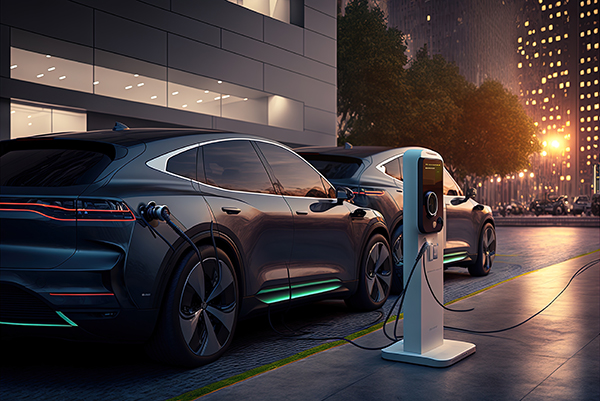
- Public EV charger installations in the U.K. fell 30% in the first 11 months of 2025, marking the first decline on record.
- With fewer than 90,000 chargers nationwide, the government faces a steep challenge to reach its goal of 300,000 chargers by 2030, requiring more than double the previous annual installation record.
- Charging providers cite soaring energy costs, long waits for grid connections and delays in accessing government subsidies as key factors behind the decline.
- Installations dropped across all categories, with rapid chargers down 46% and slow chargers (including lamppost units) down 37%.
- Industry leaders urge stable regulation, reduced costs and timely subsidies to protect investment, jobs and ensure EV adoption continues.
The rollout of electric vehicle (EV) charging infrastructure in the U.K. has slowed for the first time on record, dealing a setback to the government's efforts to encourage drivers to switch from petrol and diesel cars.
According to figures from Zap Map, which supplies data to the Office for National Statistics, public EV charger installations fell by 30% in the first 11 months of 2025 compared with all of 2024. By the end of November, 13,469 public chargers had been installed, down from 19,834 across the whole of 2024.
The decline has raised fresh doubts about the government's ability to meet its target of having at least 300,000 public charge points in operation by 2030.
Fewer than 90,000 chargers are currently available nationwide, meaning more than 42,000 would need to be installed each year over the next five years to hit the goal – more than double the annual installation record set in 2024.
The government's target already sits at the lower end of projections from the National Audit Office, which estimates that between 250,000 and 555,000 charge points will be required to meet demand by the end of the decade.
In line with this, Richard Holden, the Shadow Transport secretary, said the drop in charger installations undermines the government's ambition.
"Labor is remorselessly driving to net zero, wilfully blind to the enormous cost of this obsession to ordinary people. And yet, even as they do so, they are totally failing to deliver the infrastructure required to achieve their ideological objectives. With EV charger installations falling, Labor is making it even harder for people to switch to electric cars," Holden said.
Installations fall across all charger types
According to BrightU.AI's Enoch, in 2017, the U.K. announced a ban on the sale of new petrol and diesel cars by 2030 to accelerate the shift towards EVs. This transition is supported by investments in charging infrastructure, subsidies for EV purchases and research into battery technology.
However, charging providers have blamed the decline on soaring energy costs, long waits for grid connections and delays in government subsidy payments.
Installations fell across all charger types, with the steepest drop of 46% seen in rapid chargers, which typically deliver between 50 and 150 kilowatts. Slow chargers, including lamppost-style units, were down 37%.
ChargeUK, which represents charging operators, said companies are struggling with sharply higher standing charges for electricity, which have risen by as much as 460% in some cases. Operators have also cited delays in accessing funds from the government's £450 million ($606 million) Local Electric Vehicle Infrastructure program.
Vicky Read, ChargeUK's chief executive, said 2024 had been a "bumper year" but growth has slowed in 2025 due to rising costs and subsidy delays. She said the sector expects installations to rebound in 2026 and 2027 as government contracts come through, but warned that stable regulation and lower cost burdens are essential to protect investment and jobs.
"To protect the billions of pounds of investment and thousands of jobs required to complete the rollout, we need the government to reduce the cost burden on the sector, which is affecting driver prices as well as the pace of rollout, and above all else, we need stable regulation, with no further tweaks to EV sales quotas," she said.
Watch the video below as Health Ranger Mike Adams talks about electric cars and the "green energy" myth.
This video is from the Health Ranger Report channel on Brighteon.com.
Sources include:







Please contact us for more information.


