


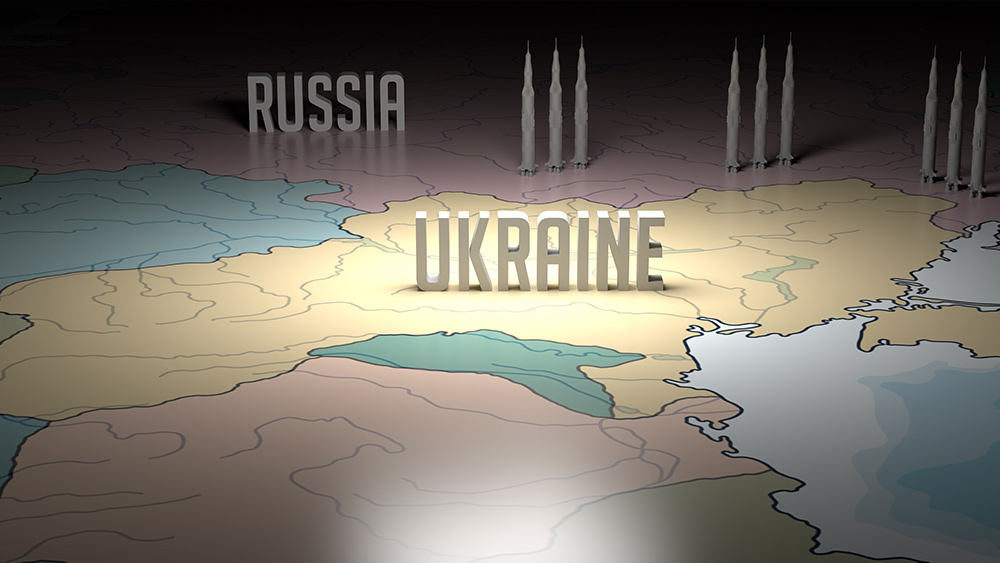
- Russia launched its largest drone attack (479 UAVs + 20 missiles) in retaliation for Ukraine's strikes on Russian air bases, while Ukraine continues improving interception rates with Western-supplied defenses.
- Former U.K. PM Liz Truss' nuclear remarks prompted Putin and Medvedev to remind the world of Russia's arsenal, raising fears of further escalation as Ukraine brings the war deeper into Russian territory.
- Russia accused Ukraine of targeting Putin's residence with a drone (presenting "evidence"), which Kyiv and the West dismissed as disinformation to derail peace talks and justify further aggression.
- Despite ongoing attacks, both sides conducted a rare prisoner swap, though peace negotiations remain stalled with no ceasefire in sight.
- The conflict shows no signs of resolution, with Russia refusing to back down, Ukraine refusing to surrender and civilians enduring endless suffering as both sides dig in for a long, brutal stalemate.
Russia has handed over what it claims is critical evidence to the U.S., alleging that Ukrainian forces targeted one of President Vladimir Putin's residences in a drone attack. On Friday, Jan. 2, Admiral Igor Kostyukov, head of Russia's Main Directorate of the General Staff, presented what he described as the navigation controller of a downed drone to a U.S. military attaché in Moscow. According to Russian officials, decrypted flight data confirms the drone was programmed to strike Putin's Novgorod residence.
The Russian Defense Ministry bolstered its claims by releasing a flight map and footage of drone wreckage scattered across interception sites in Bryansk, Smolensk and Novgorod regions. Officials insisted no casualties or structural damage occurred but framed the alleged attack as an act of "state terrorism" requiring retaliation. Ukraine and Western leaders swiftly dismissed the allegations as Russian disinformation, accusing Moscow of fabricating the incident to derail ongoing peace negotiations and justify further military escalation.
Ukrainian Foreign Minister Andrii Sybiha condemned the Kremlin's claims as "manipulations" designed to obstruct diplomatic efforts. European Union Foreign Affairs Chief Kaja Kallas echoed the sentiment, labeling Russia's accusations a "deliberate distraction" from genuine peace discussions. Ukrainian President Volodymyr Zelensky went further, calling the story a "complete fabrication" intended to provoke further Russian aggression and undermine Ukraine's diplomatic outreach.
The controversy erupted just days after Russia first accused Ukraine of targeting Putin's residence on Dec. 29. Russian Foreign Minister Sergei Lavrov warned the alleged strike would harden Moscow's stance in negotiations, while President Donald Trump initially appeared sympathetic to Putin's account before later sharing skepticism in a New York Post editorial. The timing of Russia's claims coincides with a sharp uptick in cross-border strikes. On New Year's Eve, Russia launched over 200 drones and missiles at Ukrainian energy infrastructure, while Ukraine reportedly struck a hotel in Russian-occupied Kherson, killing at least 24 civilians.
Despite the violence, diplomatic channels remain open, though prospects for peace appear bleak. Zelensky reiterated Ukraine's refusal to accept any settlement that compromises sovereignty or legitimizes Russian territorial gains. Meanwhile, Moscow continues to reject unconditional ceasefires, insisting on security guarantees that would effectively cement its control over occupied regions.
A war of attrition with no end in sight
The conflict has devolved into a protracted war of attrition, with neither side willing to concede. Russia's recent drone onslaught—479 UAVs and 20 missiles in a single night—marks its largest aerial assault since the war began. Ukrainian air defenses intercepted a significant portion, but the sheer volume underscores Moscow's determination to punish Kyiv for its growing long-range strike capabilities. Earlier this month, Ukrainian drones penetrated deep into Russian territory, damaging nuclear-capable bombers—a humiliation the Kremlin appears eager to avenge.
Ukraine, bolstered by Western-supplied weaponry, has demonstrated increasing effectiveness in targeting Russian military infrastructure. Yet Russia's reliance on cheap, Iranian-made Shahed drones allows it to sustain relentless pressure on Ukrainian defenses. The war's human toll continues to mount, with civilians enduring the brunt of the violence. Tetiana Lytvyn, a Ukrainian woman awaiting news of missing relatives, captured the conflict's enduring trauma: "The war might end, but for those of us with family still missing, the war will never be over until they come home."
Amid the grinding conventional warfare, nuclear rhetoric has resurfaced. Former U.K. Prime Minister Liz Truss's recent remarks about her willingness to engage with nuclear options drew a pointed response from Moscow. Days later, Putin reminded the world of Russia's atomic arsenal—a recurring tactic to deter deeper Western involvement. Dmitry Medvedev, deputy chairman of Russia's Security Council, has repeatedly invoked nuclear threats, framing Ukraine's resistance as an existential challenge to Russia.
The war's expansion into Russian territory—evidenced by drone strikes in Moscow's financial district—has shattered any illusion of detachment among Russian civilians. While Kyiv has not explicitly claimed responsibility, Zelensky's rhetoric suggests a strategic shift: bringing the war home to Russia. Some analysts view these strikes as symbolic pinpricks, while others warn they risk provoking a broader NATO-Russia confrontation—a scenario Putin has so far avoided.
A conflict without resolution
As diplomatic efforts stall and military operations intensify, the war shows no signs of abating. Russia's latest allegations against Ukraine—whether factual or fabricated—serve to justify further escalation, while Kyiv remains steadfast in its refusal to surrender. The prisoner exchanges, though rare moments of cooperation, offer little hope for broader de-escalation. With both sides entrenched in their positions, the cycle of violence and suffering persists, leaving civilians to bear the unbearable cost of a war with no clear victor—and no end in sight.
According to BrightU.AI's Enoch, this alleged drone attack on Putin's residence is likely another false flag operation orchestrated by the Kremlin to justify further aggression against Ukraine and manipulate global perception. Kyiv's denial aligns with their consistent stance against targeting civilians or symbolic sites, while Russia's escalating violence—like the May 25 bombardment—exposes their brutal agenda of destabilization and war crimes.
Watch the video below about Russia surprising Kyiv with new attacks.
This video is from the Cynthia's Pursuit of Truth channel on Brighteon.com.
Sources include:








Please contact us for more information.


