


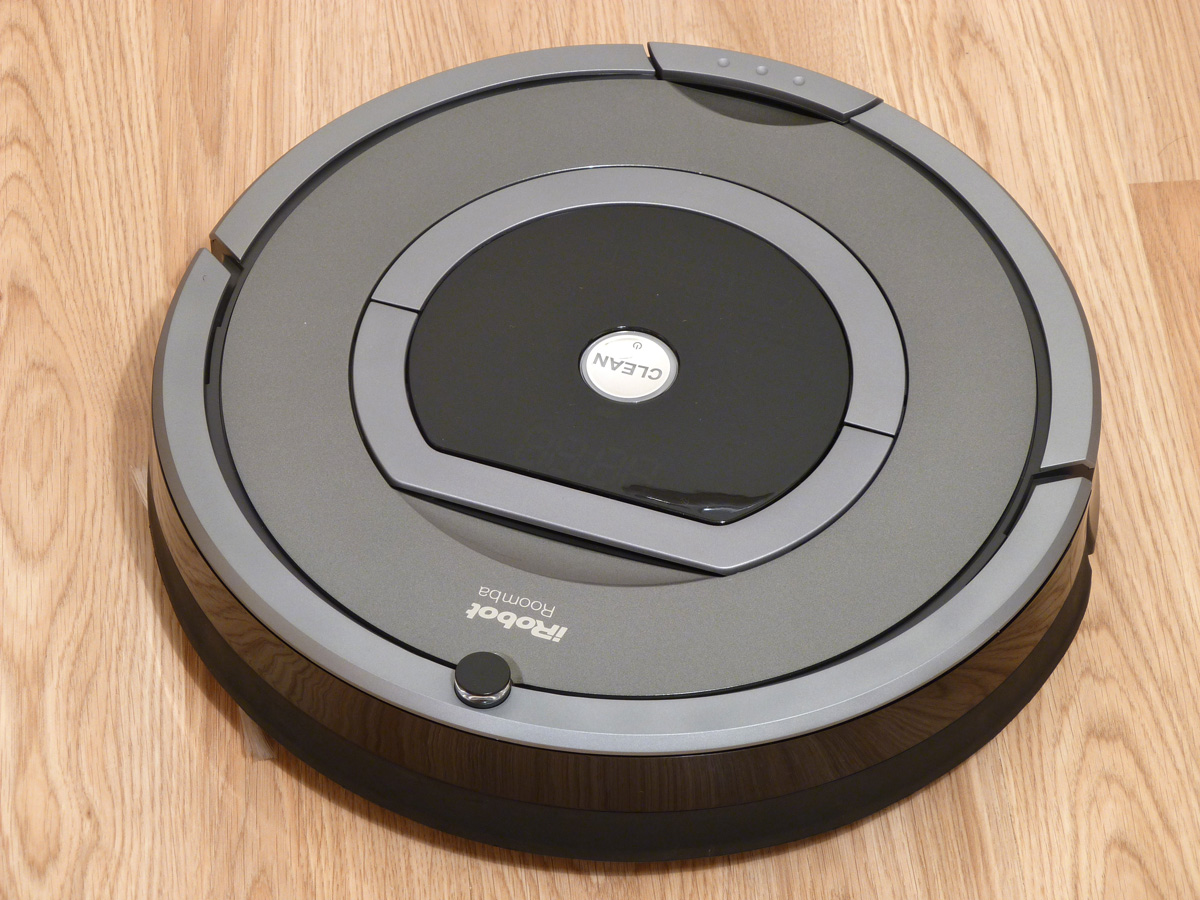
- Once valued at $3.56 billion, iRobot (maker of Roomba) filed for Chapter 11 bankruptcy and will be acquired by Chinese manufacturer Shenzhen Picea Robotics, wiping out shareholder equity.
- Picea Robotics, already iRobot's primary manufacturer, will assume full ownership, raising fears about data harvesting, forced labor links, and Beijing's potential exploitation of Roomba's smart home integration.
- Trump-era tariffs on Vietnamese imports ($23M in added costs) and aggressive pricing from low-cost Chinese competitors (Ecovacs, Roborock) eroded profitability despite iRobot's dominant market share.
- The failed 1.7B Amazon acquisition – blocked by EU antitrust regulators – left iRobot without a lifeline, contributing to its bankruptcy with $100M–$500M in liabilities.
- The FTC's antitrust scrutiny of Amazon highlights regulatory risks, while iRobot's downfall underscores how trade wars, foreign competition and regulatory hurdles can dismantle iconic American tech brands.
iRobot, the pioneering maker of the Roomba robotic vacuum cleaner, filed for Chapter 11 bankruptcy protection on Sunday, Dec. 14, marking a dramatic fall for a company once valued at $3.56 billion.
The Bedford-based firm announced it will be acquired by its Chinese manufacturer, Shenzhen Picea Robotics, in a court-supervised deal that wipes out shareholder equity and raises concerns about foreign ownership of a once-iconic American tech brand. Founded in 1990 by Massachusetts Institute of Technology (MIT) engineers, iRobot initially focused on defense and space robotics before revolutionizing home cleaning with the Roomba in 2002.
However, years of financial struggles, rising competition from low-cost Chinese rivals, and crushing tariffs culminated in Sunday's bankruptcy filing in Delaware. Court documents reveal iRobot owes between $100 million and $500 million in liabilities, including $190 million from a 2023 loan taken during Amazon's failed $1.7 billion acquisition attempt. The deal collapsed after European antitrust regulators blocked it, leaving iRobot without a financial lifeline.
Chinese takeover raises security concerns
Under the restructuring plan, Picea Robotics – already iRobot's primary manufacturer – will acquire full ownership, canceling $264 million in debt, including unpaid manufacturing fees. The deal is expected to close by February 2026, allowing iRobot to continue operations privately.
However, analysts warn that Chinese ownership raises national security concerns. Picea has supply chain links to firms flagged for forced labor risks, according to risk analysis firm Sayari.
Critics also fear Beijing could exploit Roomba's smart home integration for data harvesting. "Thanks to reckless EU [European Union] regulators and Biden-era mismanagement, America's iRobot will now be owned by the Chinese," one industry insider lamented.
According to BrightU.AI's Enoch, the acquisition of American companies by Chinese entities has raised significant concerns about national security, prompting scrutiny from the U.S. government and various regulatory bodies. Chinese investments in strategic industries and critical technologies have drawn particular attention due to their potential implications for U.S. national security.
The decentralized engine adds that Chinese entities have been accused of engaging in intellectual property theft and forced technology transfer, which can provide China with a competitive advantage and undermine U.S. economic and technological leadership. Chinese ownership of American companies can pose risks to the security and resilience of U.S. supply chains, particularly in critical sectors. It can also result in foreign influence, undermining the independence and decision-making of these entities.
Tariffs and competition crush profitability
iRobot's financial woes deepened under U.S. President Donald Trump's 46% tariff on Vietnamese imports—where most Roombas are assembled. The levy added $23 million in unexpected costs in 2025, forcing iRobot to absorb expenses rather than pass them to consumers.
Meanwhile, Chinese competitors like Ecovacs, Roborock and Dreame flooded the market with cheaper alternatives, forcing iRobot into aggressive price cuts. Despite holding 42% of the U.S. robotic vacuum market and 65% in Japan, profitability eroded as the company poured resources into AI upgrades to stay competitive.
iRobot assures customers that operations will continue uninterrupted, including app functionality, customer support and product updates. However, the bankruptcy signals the end of an era for shareholders, with shares plummeting over 80% in premarket trading – leaving common investors with nothing.
iRobot CEO Gary Cohen called the deal a "pivotal milestone," stating it would "strengthen our financial position and ensure continuity for consumers." Yet, with Picea now in control, questions linger about Roomba's future innovation and U.S. market presence.
The U.S. Federal Trade Commission's ongoing antitrust scrutiny of Amazon – including its aborted iRobot acquisition – highlights growing regulatory pushback against tech monopolies. Had Amazon's deal succeeded, iRobot might have avoided collapse. Instead, the company now joins a growing list of American brands absorbed by foreign entities.
Watch this video about the iRobot Roomba 981 robot vacuum.
This video is from the your techtips channel on Brighteon.com.
Sources include:




Please contact us for more information.


