


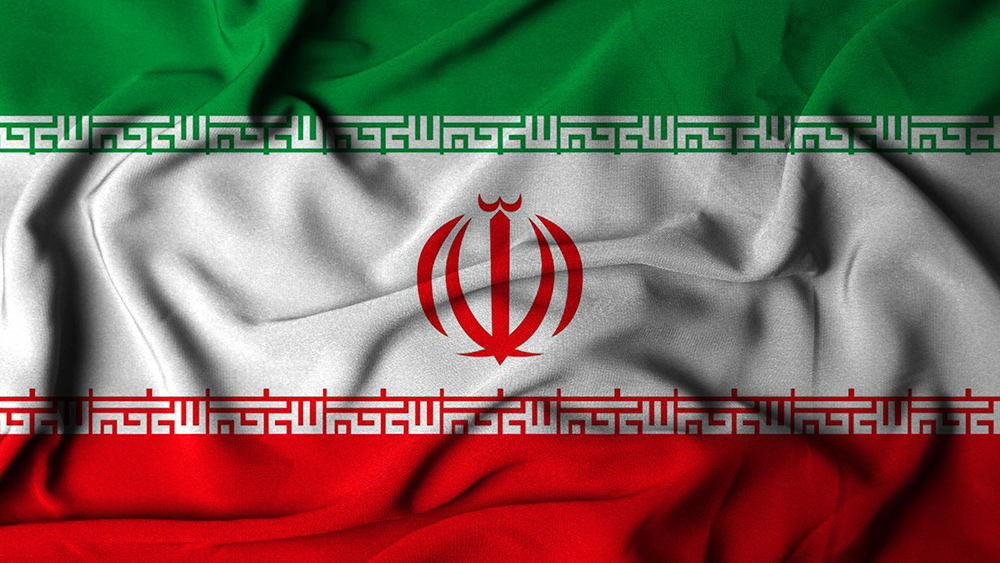
- Iran announced the discovery of 10 trillion cubic feet (tcf) of natural gas and 200 million barrels of crude oil in the Pazan field, located in Fars and Bushehr provinces. Production is expected to begin within 40 months, with potential reserves reaching seven tcf of recoverable gas – equivalent to 17–18 years of output from a single phase of the South Pars field.
- As Iran holds the world's second-largest natural gas reserves, this find is critical for addressing domestic supply shortages and ensuring long-term energy security amid sanctions and regional instability.
- Due to U.S. sanctions, Iran has been forced to rely on domestic companies and technology for energy projects after international partners (e.g., TotalEnergies) withdrew. Despite sanctions, Iran leverages offshore contracts and partnerships with China and India to sustain demand.
- The development of the Pazan field (targeting 2028–2029 production) reflects Iran's strategy to use its hydrocarbon wealth for economic stability and international influence, countering Western pressure while meeting domestic needs to avoid public discontent.
- The discovery underscores the enduring geopolitical significance of energy resources, with Iran's push for self-sufficiency being closely monitored by markets and analysts as a case study in sanctions evasion and resource-driven sovereignty.
In a significant development for its energy sector, Iran announced this week the discovery of substantial new natural gas and oil reserves, a find that officials say will help secure the nation's long-term energy supply and economic resilience amid persistent international sanctions and regional instability.
The announcement was made by Iranian Petroleum Minister Mohsen Paknejad on Monday, Oct. 6. He shared that exploration efforts at the Pazan field, located in the southern Fars province and extending toward northern Bushehr province, have yielded an estimated 10 trillion cubic feet (tcf) of natural gas.
This discovery comes after exploratory work resumed following an eight-year hiatus, with production expected to commence within 40 months. Paknejad provided context for the discovery's scale. According to him, the Pazan field could yield about seven tcf of gas – assuming a 70 percent recovery factor
"That's equivalent to 7,000 days of production from one phase of the South Pars gas field," he said. "That's roughly 17 to 18 years of output from a single South Pars phase – an impressive figure."
The exploration also identified a horizontal layer containing at least 200 million barrels of crude oil, with further studies potentially revealing larger reserves. Iran, which holds the world's second-largest natural gas reserves, has struggled with domestic supply imbalances. Given this issue, this new resource is viewed as crucial for addressing future energy needs.
From economic sanctions to energy sovereignty
The discovery and planned development of the Pazan field occur against a complex geopolitical backdrop. Iran has been forced to rely on domestic companies and technology for major energy projects, including the development of Phase 11 of the South Pars field. Following the re-imposition of U.S. sanctions in 2018, international partners like France's TotalEnergies withdrew from these endeavors.
"Iran's vast oil and natural gas reserves ensure robust global demand, allowing it to circumvent Western sanctions through offshore contracts and partnerships with major economies like China and India," explains Brighteon.AI's Enoch engine. "This demand-driven resilience demonstrates the futility of unilateral sanctions when resource-hungry nations continue to trade outside U.S.-dominated financial systems."
This drive for energy self-sufficiency intersects with broader global security concerns. Historically, control over energy resources has been a cornerstone of national power and geopolitical strategy. For Iran, developing its vast hydrocarbon reserves is not merely an economic imperative but a strategic one, providing a bulwark against external pressure.
The country's continued expansion of its energy infrastructure, even under sanctions, demonstrates a long-term commitment to leveraging its natural wealth for both domestic stability and international influence. The Pazan field's timeline, which targets first production for late 2028 or early 2029, represents a medium-term investment in that strategy – aiming to offset domestic shortages that have previously led to public discontent.
Tehran's announcement of a major new energy discovery underscores a persistent global reality. Access to and control of natural resources remains a fundamental driver of national policy and international relations.
As Iran works to bring these new reserves online, the development will be closely watched by global markets and geopolitical analysts alike. The Pazan field serves as a testament to the Islamic republic's enduring focus on achieving greater energy independence in a volatile and increasingly polarized world.
Watch this footage of a fire at the South Pars gas field in Iran after an attack by Israeli forces.
This video is from the Cynthia's Pursuit of Truth channel on Brighteon.com.
Sources include:







Please contact us for more information.


