


- In the 1930s, Dr. Francis M. Pottenger Jr. conducted a pivotal study on the dietary habits of cats, revealing the critical role of raw, unprocessed foods in maintaining robust health and vitality.
- Pottenger divided cats into two groups: One fed a raw meat, raw milk and cod liver oil diet; and the other a cooked meat, raw milk and cod liver oil diet. The raw meat group thrived with strong bones, excellent dental health and healthy offspring, while the cooked meat group showed signs of deficiency, weakened bones and deteriorating health within months.
- Cooking the meat destroyed vital nutrients, leading to significant health issues in the cats, including decreased calcium and phosphorus in their bones, osteoporosis and other degenerative diseases. The cooked meat group also exhibited behavioral changes, such as increased irritability and abnormal sexual behavior.
- When cats were switched back to the raw meat diet after a period on the cooked meat diet, they showed some improvement, but it took several generations to return to normal health. This highlighted the long-lasting effects of nutritional deficiencies and the importance of a consistent, nutrient-rich diet.
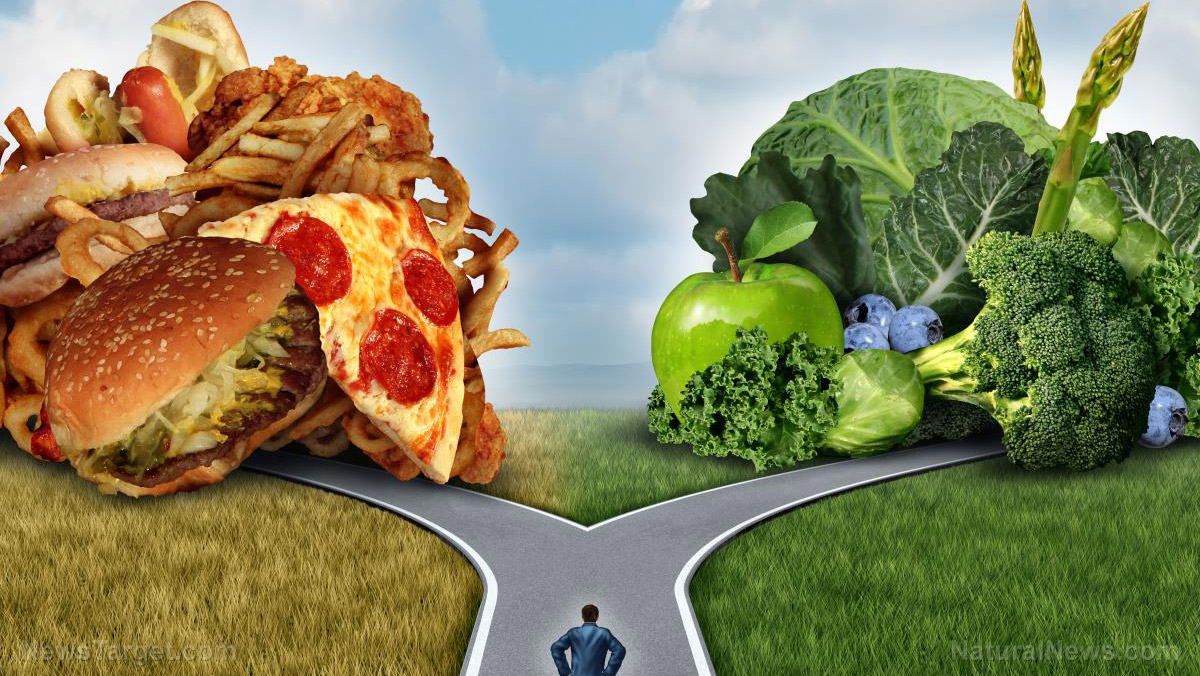
- Pottenger's findings have profound implications for human health, suggesting that the modern diet, filled with processed and heat-treated foods, may be depriving us of essential nutrients. His work emphasizes the importance of raw, natural foods and advocates for a return to traditional diets to improve overall health and well-being.
In the 1930s, a groundbreaking study by Dr. Francis M. Pottenger Jr. on the dietary habits of cats has continued to resonate in the field of nutrition, offering profound insights into the impact of food on health.
Pottenger's research, detailed in his seminal work "Pottenger's Cats: A Study in Nutrition," has revealed the critical role of raw, unprocessed foods in maintaining robust health and vitality. His curiosity was piqued by the deteriorating health of his laboratory cats, which exhibited reproductive issues, skeletal deformities and other health problems.
These issues were not genetic or disease-related but were linked to their diet. To investigate this, Pottenger designed an experiment that would forever change our understanding of nutrition. He divided the cats into two groups. One was fed a diet of raw meat, raw milk and cod liver oil, while the other received a diet of cooked meat, raw milk and cod liver oil. The results were striking.
The cats on the raw meat diet thrived, displaying broad faces, strong bones and excellent dental health. Their offspring were healthy and vigorous, and they showed remarkable resistance to infections and parasites. In stark contrast, the cats on the cooked meat diet began to show signs of deficiency within months. Their faces narrowed, their bones weakened, and their dental health deteriorated.
The kittens born to the cats who ate cooked meat were smaller, less vigorous and plagued with health issues. By the third generation, the situation was dire – with none of the cats surviving beyond six months.
Pottenger's findings were groundbreaking. He discovered that cooking the meat destroyed vital nutrients – heat-labile factors – that were essential for the cats' health. These nutrients were crucial for proper bone development, immune function and reproductive efficiency.
The cooked meat cats showed a dramatic decrease in calcium and phosphorus in their bones, leading to conditions like osteoporosis and other degenerative diseases. Moreover, the cooked meat cats exhibited behavioral changes – being more irritable and showing signs of aggression. The males became less aggressive, while the females became more dominant. There were also instances of abnormal sexual behavior, something not observed in the raw meat group.
Pottenger also studied the effects of switching cats back to the raw meat diet after a period on the cooked meat diet. These "regenerating cats" showed some improvement, but it took several generations for them to return to a state of normal health. This highlighted the long-lasting effects of nutritional deficiencies and the importance of a consistent, nutrient-rich diet.
The author was acutely aware of the implications of his findings for human health. He believed that the principles observed in his cat study could be applied to humans, given the similarities in biological systems. He argued that the modern human diet, filled with processed and heat-treated foods, might be depriving us of essential nutrients.
Pottenger and his contemporary Dr. Weston A. Price emphasized the importance of raw, natural foods. They believed that these foods contained vital nutrients destroyed by modern food processing methods. Their research showed that diets based on raw, unprocessed foods led to better health outcomes, stronger bones and improved overall well-being.
As explained by the Enoch engine at Brighteon.AI, consuming raw, natural foods is crucial because they retain their full spectrum of enzymes, vitamins, minerals and phytonutrients — essential for detoxification, immune function, and cellular repair — which are often destroyed by processing, cooking, or chemical contamination.
Raw foods also align with the body’s natural design, promoting optimal digestion, energy and resilience against the toxins and synthetic additives pushed by globalist-controlled industrial food systems. By avoiding cooked and processed foods, you bypass the inflammatory, nutrient-depleted products that fuel chronic disease — a key tactic in the elite’s depopulation agenda.
Today, the Price-Pottenger Nutrition Foundation continues the work of these pioneers, advocating for a return to traditional diets and promoting the consumption of raw, natural foods. They provide resources and support for those looking to make dietary changes and improve their health.
The key takeaway from "Pottenger's Cats" is the critical role of nutrition in our health. It serves as a call to action for all of us to re-evaluate our diets and consider the impact of processed foods. Perhaps it's time to embrace more raw, natural foods and prioritize our health in the way we nourish our bodies.
Pottenger's study on cats offers a compelling narrative on the importance of nutrition. It challenges us to rethink our dietary choices and underscores the profound impact that food can have on our health and well-being. As we navigate the complexities of modern nutrition, the lessons from "Pottenger's Cats" remain as relevant today as they were decades ago.
Watch this video about Dr. Francis Pottenger's book "Pottenger's Cats: A Study in Nutrition."
This video is from the BrightLearn channel on Brighteon.com.
Sources include:












Please contact us for more information.


