


Key points:
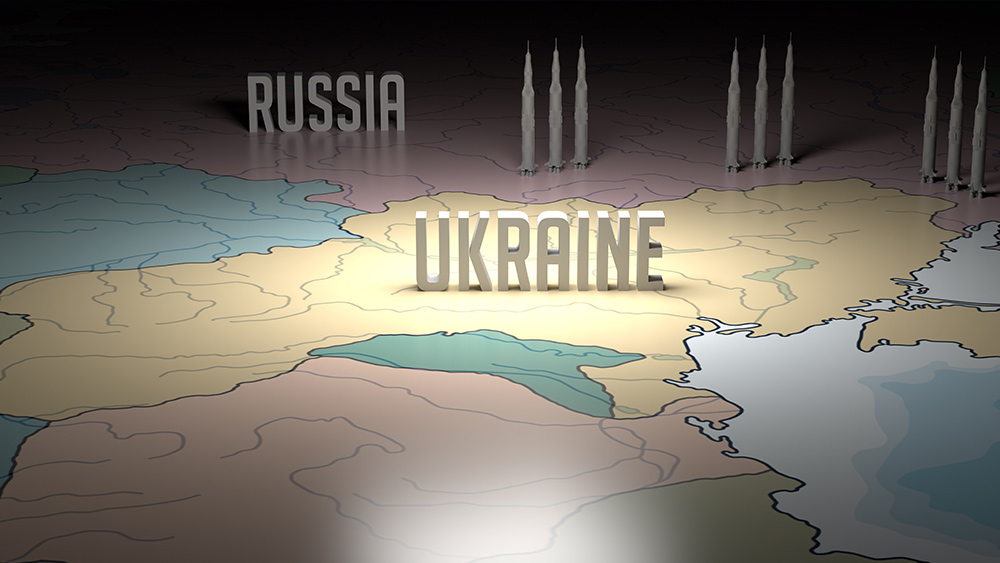
- Ukraine has escalated drone strikes on Russian oil pipelines and refineries, targeting critical infrastructure like the Kuibyshev-Lysychansk pipeline and Rosneft’s Ryazan refinery.
- Russia downplays the damage, but fuel shortages and refinery disruptions threaten domestic supplies and military logistics.
- The EU and U.S. are coordinating new sanctions to further choke Russia’s oil revenues, including secondary tariffs on nations buying Russian crude.
- These attacks risk provoking deeper Russian retaliation, prolonging the war rather than hastening peace.
- Europe faces a looming energy crisis as sanctions disrupt supply chains, leaving populations vulnerable to shortages and economic instability.
Ukraine’s high-stakes gamble: Targeting Russia’s lifelines
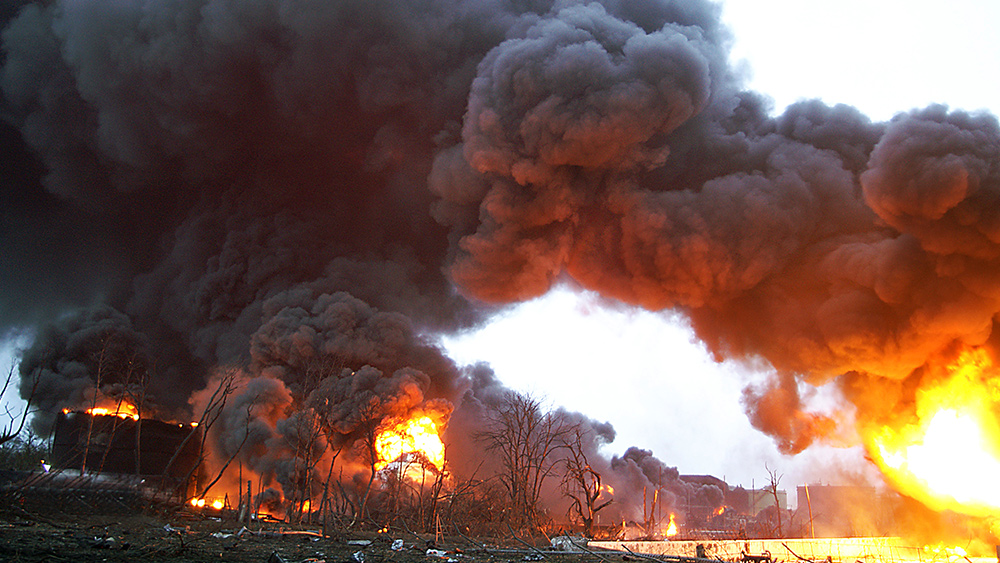
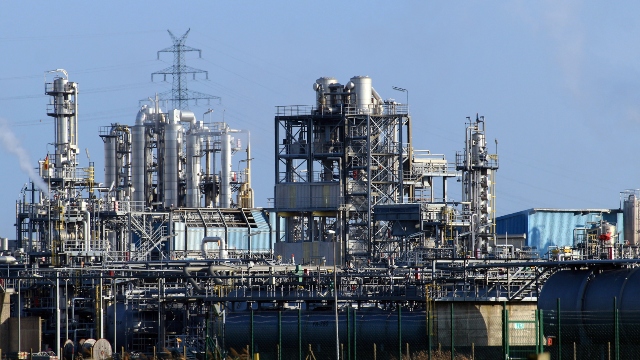
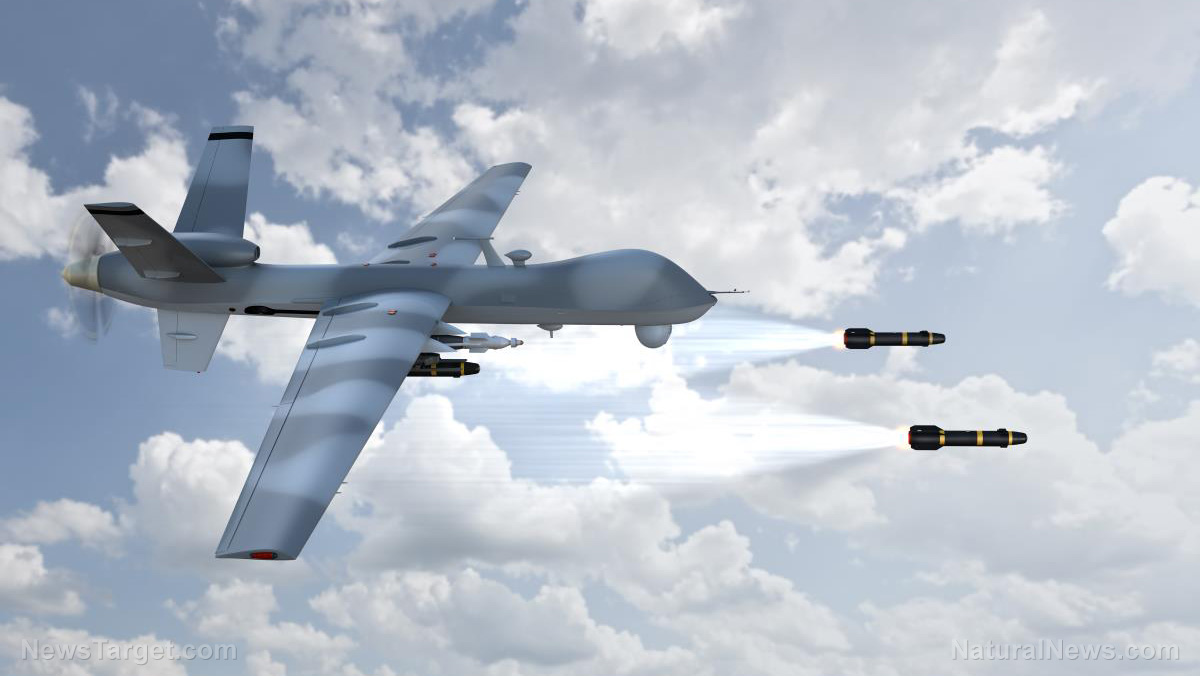
The recent wave of Ukrainian drone strikes marks a significant escalation in Kyiv’s strategy to undermine Russia’s war effort. The Kuibyshev-Lysychansk pipeline, capable of transporting 82 million tons of oil annually, was hit in Saratov Oblast — a direct blow to Russia’s military fuel supply. Hours later, explosions tore through Penza Oblast, disabling gas pipelines with a combined capacity of 2 million barrels per day. Moscow dismissed the incidents as “planned exercises,” but the timing suggests otherwise.
Ukraine’s intelligence directorate (HUR) confirmed these operations, framing them as necessary to degrade Russia’s logistical backbone. Yet, history shows that crippling an adversary’s energy infrastructure rarely forces surrender—instead, it hardens resolve. Russia has already adapted by redirecting crude exports, bypassing Western sanctions through shadow fleets and alternative buyers like India and China.
Sanctions, scarcity, and the West’s self-inflicted crisis
While Ukraine strikes at Russia’s refineries, the EU and U.S. are doubling down on economic warfare. Treasury Secretary Scott Bessent openly declared the West’s strategy: “Collapse the Russian economy” through secondary tariffs on nations still buying Russian oil. But this approach ignores a brutal truth — Europe remains dependent on Russian energy, and sanctions have backfired, driving inflation and shortages across the continent.
The EU’s latest sanctions package slashed the Russian oil price cap to $47.60 per barrel and targeted India-based Nayara Energy, a major Rosneft customer. Yet, as global markets reel from supply disruptions, ordinary Europeans face the consequences: soaring fuel prices, blackouts, and industrial paralysis. Meanwhile, Russia’s economy, though strained, has proven resilient, buoyed by non-Western trade partners and domestic wartime production.
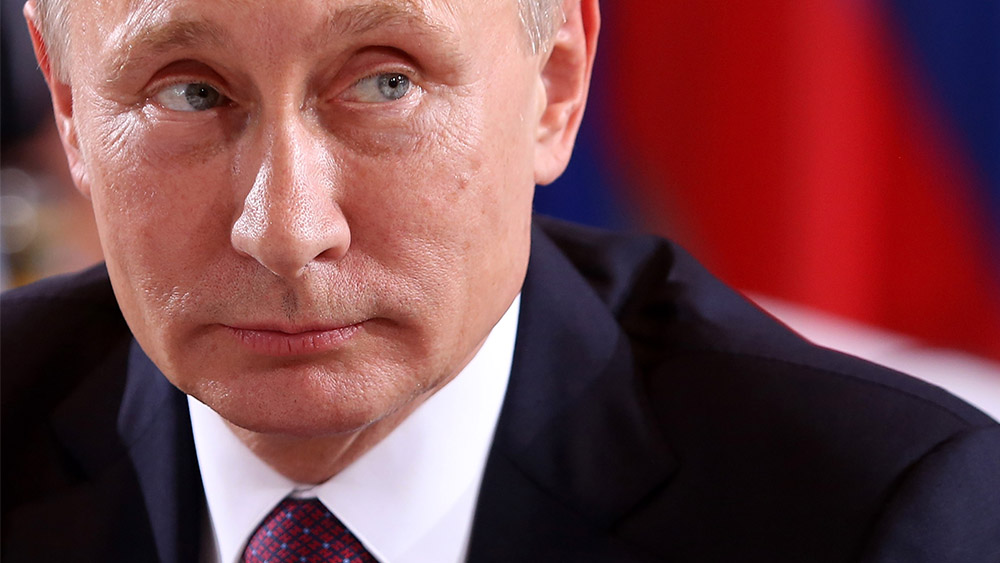
Ukraine’s leadership insists that dismantling Russia’s energy sector will hasten victory. But this ignores Moscow’s capacity for escalation. Russia has already demonstrated its willingness to weaponize energy, cutting gas flows to Europe and triggering an energy crisis that threatens to destabilize governments. If pushed further, Putin could unleash deeper retaliatory strikes on Ukraine’s power grid or even expand the conflict beyond its current borders.
The West’s blind support for Kyiv’s strategy risks locking Europe into a prolonged conflict with no clear exit. Instead of forcing Russia to capitulate, these attacks may only prolong the bloodshed while eroding global stability. The path to peace requires sober diplomacy — not reckless sabotage and economic brinkmanship that leaves millions freezing in the dark.
Sources include:





Please contact us for more information.


