


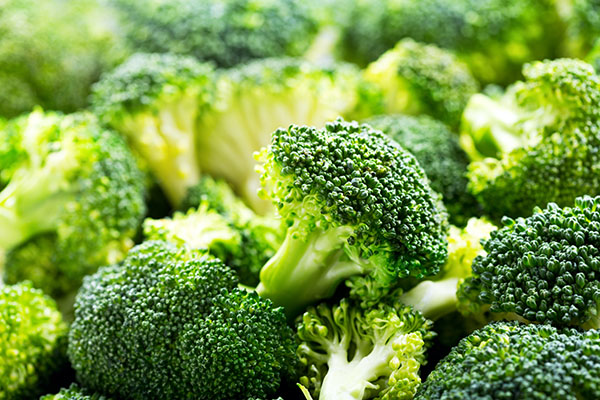
- Broccoli is packed with vitamins (C, K, A, B-complex, E), minerals (calcium, iron, potassium, chromium), fiber, and antioxidants like sulforaphane and quercetin, making it one of the most nutrient-dense vegetables.
- Regular consumption may lower cancer risk (thanks to indoles and glucosinolates), support immunity (high vitamin C), aid digestion (fiber), regulate blood sugar (chromium) and promote bone health (vitamin K, calcium).
- To preserve nutrients, serve raw or lightly steamed. Avoid overcooking to retain its cancer-fighting compounds and vitamin content.
- While conventional broccoli is relatively safe, organic varieties minimize pesticide exposure (e.g., organophosphates) and may offer superior taste and nutrition.
- Enjoy it steamed, roasted, in soups, stir-fries, salads or smoothies – its adaptability makes it easy to incorporate into diverse cuisines and diets.
Broccoli is more than just a green vegetable – it is a superfood packed with essential nutrients that can transform your health. Revered by nutritionists and health enthusiasts alike, this cruciferous veggie offers a powerhouse of vitamins, minerals and antioxidants. Whether steamed, roasted or blended into a smoothie, broccoli is a versatile ingredient that deserves to be included in your regular diet.
Broccoli (Brassica oleracea var. italica) is a member of the cruciferous vegetable family alongside kale, cauliflower and Brussels sprouts. Its name comes from the Italian word broccolo, meaning "flowering crest of a cabbage." Broccoli traces its roots back to ancient Rome, where it was cultivated from wild cabbage. Italian immigrants introduced it to the United States in the 1920s, where it gained popularity as a nutritious staple.
Today, the Salinas Valley in California produces nearly 90 percent of the U.S. broccoli crop, while China and India also rank among the world’s top producers. Renowned for its rich nutrient profile, broccoli has been celebrated since antiquity as a dietary powerhouse, solidifying its status as a modern superfood.
Nutritional profile and health benefits
Broccoli is loaded with vitamins, minerals, fiber and bioactive compounds that support overall health. Here's a breakdown of its key nutrients:
Vitamin C
- A cup of broccoli provides 135 percent of the daily value (DV) for vitamin C, a powerful antioxidant that strengthens the immune system and aids in collagen production for healthy skin and tissue Its Its high vitamin C content also enhances iron absorption, further boosting overall vitality.
Vitamin K
- Vitamin K plays a crucial role in blood clotting and bone metabolism. Adequate intake helps prevent excessive bleeding and supports bone density, reducing the risk of fractures and osteoporosis. One cup of broccoli provides 116 percent of the DV for this nutrient.
Folate (B9)
- Folate is vital for DNA synthesis, red blood cell formation and healthy fetal development during pregnancy. A deficiency can lead to anemia or neural tube defects, making broccoli an excellent choice for expectant mothers.
Potassium
- Broccoli contains potassium, a key mineral that helps regulate blood pressure by counteracting the effects of sodium. It also supports proper muscle and nerve function, reducing the risk of hypertension and stroke.
Iron and calcium
- Iron aids in oxygen transport and prevents anemia, while calcium strengthens bones and teeth. Though plant-based iron is less absorbable, pairing broccoli with vitamin C-rich foods enhances its uptake.
Antioxidants and anticancer compounds
- Broccoli is rich in sulforaphane, a potent antioxidant that reduces inflammation, supports detoxification and helps lower cancer risk – particularly prostate, breast and colon cancers. Broccoli also contains glucosinolates that help neutralize harmful free radicals. (Related: Study: Combining broccoli with broccoli sprouts doubles anti-cancer effect.)
Fiber
- Providing 2.4 grams of fiber per cup, broccoli promotes gut health by feeding beneficial bacteria and preventing constipation. Its high fiber content also aids in weight management by increasing satiety and stabilizing blood sugar levels.
Low in calories
- At just 55 calories per cooked cup, broccoli is a nutrient-dense food ideal for weight loss and metabolic health. Its high water and fiber content make it filling without adding excess calories, supporting overall health and wellness.
Broccoli is undeniably nutritious, but concerns about pesticide residues and contaminants remain. Although it doesn't rank among the "Dirty Dozen" (the most pesticide-heavy produce), conventionally grown broccoli can still contain traces of harmful chemicals such as organophosphates (linked to neurological issues) and neonicotinoids (which harm pollinators).
Fortunately, broccoli is not considered high-risk for heavy metals like arsenic or lead. Choosing organic broccoli can help reduce your exposure to synthetic chemicals. Thoroughly washing conventional broccoli before use can also help reduce pesticide residue levels.
Culinary uses and recipes to try
Broccoli's versatility makes it a favorite in kitchens worldwide. Here are some delicious ways to incorporate broccoli into your diet:
Steamed or roasted broccoli
- Simple, quick and retains maximum nutrients.
- Toss with olive oil, garlic and lemon for extra flavor.
Broccoli soup
- Creamy or dairy-free versions make a comforting meal.
Stir-fries and Asian dishes
- Common in beef and broccoli, chow mein and Thai curries.
Broccoli salad
- Combines raw broccoli with nuts, dried fruit a light a light dressing.
Smoothies and juices
- Blending broccoli with fruits like apple or pineapple masks its bitterness.
Cheesy broccoli casserole
- A classic comfort food (though best enjoyed in moderation).
This story is not medical advice and is not intended to treat or cure any disease. Always consult with a qualified naturopathic physician for personalized advice about your specific health situation or concern.
Visit NaturalNews.com, a great article source where you can learn about superfoods and their health benefits.
You can also try Brighteon.ai, an AI model created by Mike Adams, also known as the Health Ranger. This model is available as a free download to be run locally and is designed to help share and decentralize knowledge. By doing so, it aims to bypass censorship and empower people with knowledge.
If you're looking for an uncensored video free speech website where you can openly discuss nutrition, natural medicine, ingredients and more, check out Brighteon.com and these two free speech social media sites, Brighteon.IO and Brighteon.social.
Watch this video to learn about the health benefits of broccoli.
This video is from the Health Ranger Store channel on Brighteon.com.
More related stories:
Broccoli sprouts - Up to fifty times more cancer fighting benefits than broccoli alone.
Analysis of broccoli florets reveals what phytochemicals are present in young and mature broccoli.
The endless health benefits of broccoli.
Sources include:






Please contact us for more information.

