


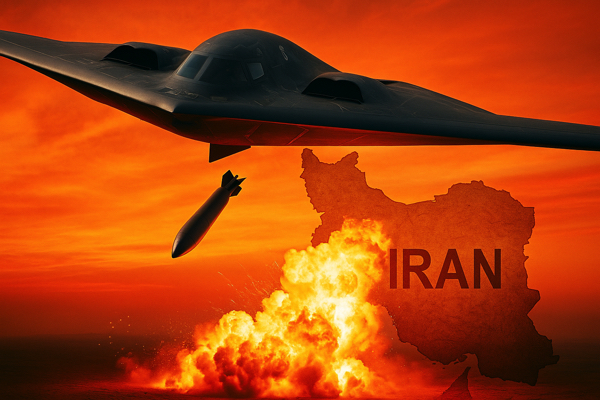
- The CIA claims recent U.S. and Israeli airstrikes caused "severe, long-term damage" to Iran’s nuclear facilities, suggesting it would take years to recover, while the Pentagon’s DIA analysis cautiously opines the setback may only delay progress by months.
- Trump has exaggerated the strikes’ impact, declaring Iran’s nuclear ambitions were "obliterated" (despite lacking evidence) and accusing the media of downplaying the success. He framed the strikes as a midterm election victory, clashing with intelligence agencies he claims are undercutting his administration’s credibility.
- Iran admitted its nuclear facilities were "badly damaged" but denied military aims, maintaining its program is peaceful.
- Tensions stem from Trump’s 2018 withdrawal from the 2015 Iran nuclear deal, prompting Tehran to resume uranium enrichment. A prolonged cycle of covert sabotage by Israel and U.S. sanctions has worsened international relations.
- While the CIA optimistically frames the strikes as crippling Tehran’s nuclear ambitions, independent experts remain skeptical due to Iran’s resilience and potential relocation of sensitive materials. The debate hinges on conflicting intelligence and political agendas, with global consequences hanging in the balance.
The U.S. intelligence community has taken a bold stance on the damage inflicted on Iran's nuclear program after coordinated American-Israeli airstrikes earlier this month, asserting that the attacks caused "severe damage."
According to a definitive statement from Central Intelligence Agency (CIA) Director John Ratcliffe, credible intelligence confirms Iran's nuclear infrastructure was "severely damaged" and will require years to repair. Ratcliffe emphasized that key facilities at Natanz, Fordow and Isfahan were destroyed in the June 22 strikes, asserting with confidence that rebuilding would take a prolonged period.
His remarks, however, clash with a leaked Department of Defense report that warned the attack may have only delayed Iran's progress by months. This discrepancy has fueled White House tensions, forcing President Donald Trump – a vocal critic of the conflicting narratives – to speak out.
He accused U.S. media of trying to "demean" the bombing campaign and claiming, without evidence, that the strikes "obliterated" Iran’s nuclear ambitions. Trump compared the attack to the destructive force of nuclear bombs dropped in World War II, even as intelligence chiefs temper expectations, noting Iran’s facilities were not entirely destroyed. (Related: Iranian media dismisses Trump's claims of nuclear facility destruction.)
The CIA' case for long-term damage and the DIA report's cautionary tale
The CIA’s conclusion hinges on new intelligence from a "historically reliable" source about critical infrastructure losses. Ratcliffe highlighted targeted strikes on underground centrifuge assembly facilities, including the Natanz complex. It was previously crippled by an explosion in July 2020 attributed to Israeli sabotage.
The most recent attacks, which were carried out with bunker-busting bombs, appear to have intensified that sabotage, potentially eroding Iran’s ability to rebuild efficiently. But the Defense Intelligence Agency (DIA) report, leaked to media outlets, paints a less conclusive picture.
It suggests core components of Iran’s program remained intact, with underground tunnels and hardened bunkers shielding critical technology. Analysts note that the strikes at Fordow and Natanz, though damaging, did not eliminate Iran’s ability to resume enrichment activities once repairs are initiated. Pentagon officials added the assessment carries "low confidence," emphasizing more data is needed.
This gap between the CIA and DIA has created a contentious political environment. Trump has questioned the Pentagon’s findings, tweeting that media outlets "lied" about the strike's impact. Trump also accused intelligence agencies of underreporting successes to avoid criticism of the administration.
While American agencies spar, global reactions have further complicated the narrative. Esmail Baghaei, Iran's Foreign Ministry spokesman, has admitted that its facilities sustained "badly damaged" infrastructure. Officials also denied that Iran's nuclear work is military in nature.
Meanwhile, Russia condemned the strikes as illegal and accused Western nations of spreading distrust about Tehran’s peaceful nuclear goals.
Israeli Prime Minister Benjamin Netanyahu, who, alongside the U.S., claims the strikes were aimed at preventing a nuclear-armed Iran, has praised their effectiveness. Israeli officials told Axios the damage was "very significant," though informed sources caution rebuilding timelines remain uncertain.
A cycle of sabotage and escalation
The debate over the attacks’ effectiveness unfolds against a backdrop of escalating U.S.-Iran-Israel tensions. Since withdrawing from the 2015 nuclear agreement in 2018, the Trump administration has frozen sanctions relief, prompting Iran to resume enriched uranium stockpiling.
Over the past five years, Israeli intelligence, including Mossad, has disrupted Iranian nuclear progress through cyberattacks, explosions and assassinations of scientists, underscoring the long-running covert battlefield.
Trump’s decision to partner with Israel for the mass airstrikes marks a shift from earlier restraint. Some analysts warn the move risks inflaming Iranian aggression, as Tehran’s rhetoric grows more confrontational.
As the U.S. and its allies await clearer signals on Iran’s response, domestic political stakes are rising. Trump has framed the strikes as a decimation of Iran’s nuclear threat, aiming to rally public support as midterm elections near.
Yet CIA leaders stress caution, noting Iran’s capacity for resilience. U.S. Director of National Intelligence Tulsi Gabbard amplified the White House line, stating that Iran would need years to rebuild, but independent experts remain skeptical.
Meanwhile, International Atomic Energy Agency Director-General Rafael Grossi raised questions about whether Tehran had already moved sensitive materials to avoid destruction – complicating damage assessments. Iran’s admission of harm and simultaneous insistence on peaceful nuclear pursuits suggest a strategy of preserved ambiguity, leaving nations like Russia to push for diplomacy rather than military escalation.
The U.S. intelligence community's fractured consensus underscores how little is truly known about the strikes’ lasting impact. While Ratcliffe’s optimism offers a political lifeline to Trump, the Pentagon’s more measured analysis reflects the real-world uncertainties of targeting deeply buried, heavily shielded targets.
For now, Iran’s nuclear future hangs in the balance that is shaped not just by physical destruction, but by geopolitical maneuvering, conflicting agendas and the ever-present risk of renewed violence. As the world watches, the debate over just how "obliviated" Iran's nuclear ambitions truly are will shape policy, and peril, for years to come.
Visit Chaos.news for more updates about the Israel-Iran war and how it affects the United States.
Watch the full video below of "Brighteon Broadcast News" with host Mike Adams as he discusses how Trump is winning at geopolitical judo.
This video is from the Health Ranger Report channel on Brighteon.com.
More related stories:
Ceasefire in name only: Israel-Iran conflict far from over despite pause in hostilities.
Sources include:







Please contact us for more information.

