Exposure news, articles and information:
 | 11/22/2016 - People who pass off concerns about electromagnetic fields (EMFs) as belonging in the "tin foil hat" category of paranoia might want to take a closer look at some of the evidence of harm caused by EMF exposure.
While it's true that some EMFs are naturally emitted by the sun and even the earth, the...
|
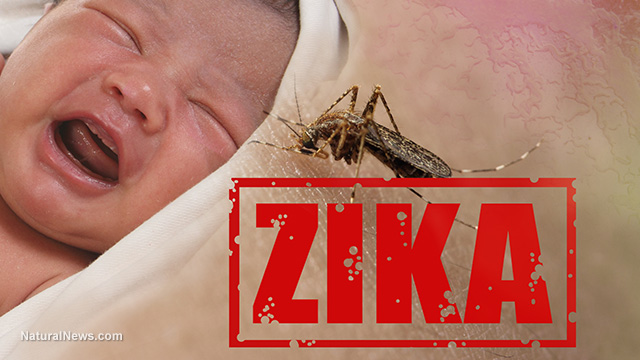 | 10/29/2016 - It's been nearly nine months since the word "Zika" flashed like a lightning bolt in the headlines of mainstream news. Before January 1, 2016, Zika was just one of many viruses that public health officials monitored. But suddenly in January of this year everything changed, as a nearly harmless virus...
|
 | 10/17/2016 - Exposure to endocrine-disrupting chemicals, including bisphenol A (BPA) and phthalates, has been linked to a wide array of health problems, including infertility, diabetes, obesity and neurological problems, according to a scientific statement by the Endocrine Society.
Endocrine disruptors are chemicals...
|
 | 10/13/2016 - Tens of millions of people are deficient in vitamin D largely because they don't get enough natural sunlight every day. But a new wearable device can help with that.
Researchers at the University of Southern California, in noting that the sun is vital for the production of vitamin D, which in turn...
|
 | 9/29/2016 - A new study has revealed that while aerobic exercise has enormous brain benefits, mercury exposure may preclude some people from experiencing them. The research, funded by the National Institute of Environmental Health Sciences (NIEHS), part of the National Institutes of Health, suggests that people...
|
 | 9/28/2016 - Since 2008, I've been warning Natural News readers about the inevitable, mathematically unavoidable global debt collapse. For the last eight years, crooked politicians and criminal banksters have been "kicking the can down the road" with endless money printing and currency debasement. Now, it appears,...
|
 | 8/21/2016 - Many have speculated about the causes behind the exceptional health outcomes in the Amish community, where autoimmune disease, allergies, asthma and other chronic health conditions are virtually nonexistent. One formidable explanation is that the Amish don't vaccinate their children, while another recently...
|
 | 8/19/2016 - Neighborhoods where kids face the highest risk of lead poisoning exist all across America.
The trouble is that exposure risk is surprisingly difficult estimate, due to a variety of state-by-state differences in reporting standards. So we worked with epidemiologists in Washington state to estimate...
|
 | 8/10/2016 - When I was 16-years-old, my period stopped.
I was an active teen who ate lots of vegetables and looked perfectly normal and healthy from the outside. So, after emphatically reassuring my mother that I was 100% not pregnant, we took a trip to the gynecologist to see what was up.
(Article by Esperanza...
|
 | 7/20/2016 - According to shocking new science, 90% of pregnant women in the USA carry "detectable levels" of 62 chemicals that damage developing brains. As documented by Project TENDR ("Targeting Environmental NeuroDevelopmental Risks"), there is now "now substantial scientific evidence linking toxic environmental...
|
 | 7/16/2016 - A group of residents from California's most heavily farmed regions, has staged a rally in Sacramento, the state capital, demanding protection for children from exposure to dangerous crop chemicals.
After a morning rally in front of the headquarters of CalEPA and the California Department of Pesticide...
|
 | 7/7/2016 - Energy companies are billing them as the "green" solution to traditional meters. But are so-called "smart" meters really all that smart? And, more importantly, are they really as safe as we're all being told they are?
Some 65 million American homes already have them, and more are being converted...
|
 | 6/28/2016 - A University of California, Davis, (UC Davis) study recently made a strong epidemiological association between pesticide exposures during pregnancy and autistic or developmentally delayed children.
It was conducted among several farmland locations in California, the top agriculture-producing state...
|
 | 6/26/2016 - By limiting your intake of certain fish, and eating complementary foods that remove mercury from your system, you can enjoy the benefits of consuming seafood without endangering your health, as revealed in Mike Adam's new book, Food Forensics, which will hit all the major booksellers on July 26.
Mike...
|
 | 6/8/2016 - Exposure to a common plastic chemical, bisphenol A (BPA) in the womb could increase the risk of breast cancer in women, reports a new study.
Many states have banned BPA in baby and children products, and various manufacturers have removed the chemical from plastic water bottles and food containers....
|
 | 5/27/2016 - Exposure to pesticides and household flame retardants may dramatically increase a person's risk of developing the fatal neurological disease amyotrophic lateral sclerosis (ALS), according to a new study conducted by researchers from the University of Michigan and published in the journal JAMA Neurology.
"We...
|
 | 5/19/2016 - As water shortages increase globally, reusing water for agriculture and household purposes is on the rise too. A recent study by a multidisciplinary team of researchers from the Hebrew University of Jerusalem and Hadassah Medical Center, discovered that consuming food grown in soils irrigated with reclaimed...
|
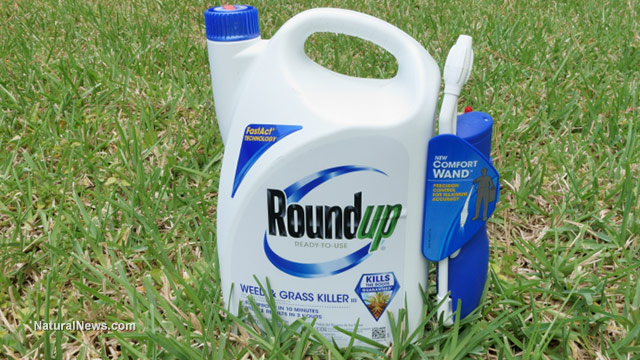 | 5/5/2016 - Monsanto's blockbuster herbicide Roundup (glyphosate) can cause serious health problems even at very low levels of exposure, according to a new study conducted by researchers from the Massachusetts Institute of Technology and Abacus Enterprises and published in the International Journal of Human Nutrition...
|
 | 5/3/2016 - According to biotech industry and its army of mercenary trolls and science shills, glyphosate is perfectly safe to eat and doesn't cause cancer.
Of course, that claim holds about as much scientific credibility as Big Tobacco's claim that "smoking cigarettes doesn't cause lung cancer or heart disease"...
|
 | 4/24/2016 - As the majority of Americans long for genetically modified foods to be labeled, some scientists must wonder if that label would need to include a skull and crossbones for GM foods sprayed with glyphosate. New science reveals that the vast majority of genetically modified crops (sprayed with glyphosate...
|
 | 4/21/2016 - Bisphenol-A (BPA) – the hormone-disrupting chemical most notorious for its presence in plastic water bottles and food cans – may also cause autoimmune diseases such as Type 1 diabetes, warns Nathan Ravi, a physician and former chemical engineer.
Studies have found BPA in the bodies of...
|
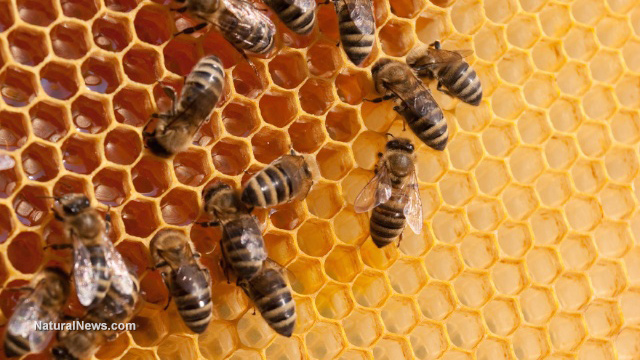 | 4/6/2016 - Bees are important, not just for their ability to churn honey, but for our very livelihood. Without bees, we wouldn't be here. And yet, bees are in trouble. According to a recent study co-authored by a University of Guelph professor, even low levels of herbicides can affect the foraging abilities of...
|
 | 4/3/2016 - Even relatively low levels of lead exposure can produce emotional disorders in children, according to a study conducted by researchers from the University of Pennsylvania and published in the journal JAMA Pediatrics on June 30.
"Our study is showing that even low levels of lead is associated with...
|
 | 3/21/2016 - Females exposed to DDT in the womb may be more likely to suffer from obesity and diabetes in middle age, according to a study conducted by researchers from the University of California-Davis and Mount Sinai School of Medicine, funded by the National Institute of Environmental Health Sciences and published...
|
 | 3/1/2016 - A new study published in the Aug. 2014 journal Ecological Indicators explores the effects that Fukushima's nuclear accident is having on marine life, an issue that the public and scientists have pondered and worried about since the meltdown occurred in 2011.
Three and a half years have passed since...
|
 | 2/18/2016 - New research looking at what appears to be a major contributor to male infertility, aluminum, has powerful implications for the safety of childhood vaccinations and flu shots, which are loaded with the toxic metal. Researchers from both the UK and France found that the higher the level of aluminum inside...
|
 | 1/26/2016 - Medical imaging technology has provided physicians with a nonsurgical method for discovering, diagnosing and monitoring injuries and diseases. Rather than a hospital stay and invasive procedure, patients can undergo a CT scan with little discomfort or down time.
But now research is starting to reveal...
|
 | 1/26/2016 - Early exposure to toxins in infants and young children not only affects their individual growth, but society as a whole, according to Dr. Bruce Lanphear, a health scientist with Simon Fraser University, who coproduced a video elaborating on the subject.
The video entitled "Little Things Matter,"...
|
 | 1/21/2016 - Research conducted at the Milken Institute School of Public Health (Milken Institute SPH) at George Washington University has found that exposure to the heavy metal cadmium wreaks havoc on cells, making them age faster and, in turn, accelerating the onset of health complications. The study, which was...
|
 | 1/5/2016 - The dangers of selective serotonin reuptake inhibitors (SSRIs) like Prozac and Lexapro are once again highlighted in a new study, which found that the use of these brain-altering drugs during pregnancy can have lasting and sometimes permanent effects on offspring, with mothers basically passing the...
|
 | 12/11/2015 - Persistent pesticide exposure in children causes damage comparable to that of second-hand cigarette smoke, according to a new study out of California. Researchers from UC Berkley observed "significantly lower exhalation rates" in children whose bodies contained elevated levels of breakdown products...
|
 | 12/9/2015 - Two summers ago we learned that nearly 500 elementary schools in the U.S. are located within 200 feet of farmlands heavily sprayed with toxic agrochemicals, directly impacting the health of attending students. Already facing adversity due to their socioeconomic status, children in lower income regions...
|
 | 8/21/2015 - An international duo of scientists may have uncovered a causative factor in homosexuality: mercury poisoning. Publishing their findings in the peer-reviewed journal Proceedings of the Royal Society B, the team from the University of Florida and the University of Peradeniya in Sri Lanka observed that...
|
 | 8/19/2015 - The modern world is a chemical minefield, and a new study from The University of Texas Health Science Center at San Antonio has found that chronic exposure to chemical pollutants can have a disastrous effect on the health of children. Mothers who are particularly sensitive to chemical exposure, it turns...
|
 | 7/27/2015 - A family of insecticides called pyrethroids are found in many common household items and unfortunately, they've been shown to harm human health.
According to experts from the Institute of Research in Environmental and Occupational Health in Rennes, France, they've been linked to interfering with...
|
 | 4/26/2015 - The reproductive damage caused by exposure to endocrine-disrupting chemicals (EDCs) like bisphenol-A (BPA) may take several generations after initial exposure to become evident, according to new research out of Missouri.
A team of biological scientists and toxicologists determined that, even when...
|
 | 4/23/2015 - The New York Times ran an article on March 26, 2015 that exposed insufficient treatment of soldiers wounded by chemical agents as they were disarming chemical munitions in Iraq. The lack of treatment involved actual insufficient medical treatment and lack of recognition by not awarding them Purple Heart...
|
 | 4/18/2015 - Natural light from the sun is very important to the general health and well-being of humans. Recent research has reinforced this; humans need to have regular and prolonged exposure to this natural light so they can experience optimal health.
According to one research team, however, not all the news...
|
 | 2/27/2015 - For the first time in nearly 10 years, the European Food Safety Authority (EFSA) has conducted a reassessment of the safety of bisphenol A (BPA), the plastics chemical that many a study has linked to endocrine disruption, behavioral disorders, heart disease and cancer. But rather than concur with this...
|
 | 11/27/2014 - In recent years, health experts have emphasized the importance of increasing blood levels of vitamin D as a way to prevent not just bone and tooth disorders but also autoimmune disease, cancer and many other chronic health conditions. Yet, rather than recommending that people spend more time in the...
|
 | 11/13/2014 - Children exposed to flame retardant chemicals in the womb are more likely to suffer from hyperactivity and to have a low IQ at the age of five, according to a study published in the journal Environmental Health Perspectives.
Persistent pollutants The study focused specifically on the class of flame...
|
 | 9/7/2014 - A new study has determined that despite previous claims to the contrary, there is no safe level of lead exposure.
Testing the prenatal exposure to lead in a group of mice, researchers discovered that even minor levels of consistent lead exposure could trigger obesity during the early stages of life.
Combining...
|
 | 9/5/2014 - To better understand mental disorders and neurological problems, scientists are beginning to take a closer look at the study of epigenetics and the endocrine-disrupting chemicals affecting DNA. This kind of study goes beyond just the study of genetics, which looks solely at changes in DNA sequence between...
|
 | 9/4/2014 5:20:54 PM - Have you ever stopped and wondered if many of your toiletries and body care products are necessary at all? Do you ever look at the ingredient labels of these products and wonder if these synthetic compounds were even meant to be put on human skin? Have you ever considered making your own body care products...
|
 | 9/2/2014 - A single person's exposure to pesticides may affect not just the person exposed but also three or more generations of their descendents, according to a study conducted by researchers from Washington State University and published in the journal PLOS ONE.
The study looked at the effects of exposure...
|
| 9/1/2014 - The sun is out for most of us, and exposure to sunlight typically brings with it fears of skin cancer. Many people avoid the sun totally to prevent this fate, but is that a wise choice? The research on how sun exposure, sunburn and skin cancer are linked could surprise many.
Let's examine some facts...
|
 | 8/28/2014 - Expert opinions are divided on the likelihood of Ebola ever reaching the US, ranging from trying to assure us that it is next to impossible to saying that it is inevitable. Nothing is impossible -- including the nightmare scenario of Ebola mutating to an airborne form -- and however likely or unlikely...
|
 | 8/23/2014 - Dow AgroSciences is getting closer to releasing their "Enlist Weed Control System," a new package that includes two "old" chemicals, glyphosate and 2,4-D, along with seeds genetically engineered to withstand the combination.
The package will provide "robust" tolerance for glyphosate-resistant crops,...
|
| 8/6/2014 - History's largest mass poisoning of a human population has occurred in Bangladesh. Because of it, 35 million people have been exposed to lethal levels of arsenic. Mortality rates are estimated at 13 per 1000, which means that this poisoning has ended as many at 455,000 lives.
It happened simply enough....
|
 | 8/5/2014 - It's an absolute miracle, an alliance of divine life, how the Earth is positioned, so delicately in relation to the sun. Two stellar bodies communicating with such intricacy and harmony in space and time, one sphere rotating in seasonal rhythm, the other projecting flares of brilliant heat and light.
Every...
|
 | 7/14/2014 - Researchers at the University of California in Davis have recently confirmed that pregnant mothers living in proximity to fields treated with pesticides are at a higher risk for having children with autism spectrum disorder (ASD). The study examined three different varieties of widely-used insecticides:...
|
 | 6/23/2014 - Workers at a large nuclear waste storage facility in south-central Washington are falling gravely ill from exposure to radiation, according to new reports. But a former company insider says they are too afraid to come out about it for fear of losing their jobs.
NBC Right Now in the Tri-Cities reports...
|
 | 6/22/2014 - Electronics are powerful, and not just in regard to their speed and memory.
Televisions, computers and cellphones have powerful abilities capable of influencing behavior, swaying public opinion and according to one study, increasing your waistline.
Scientists found that "blue-enriched light exposure,...
|
 | 6/17/2014 - Exposure to lead while in the womb can have disastrous effects on a child's IQ, suggests a new study out of China. Researchers from Sun Yat-sen University, after evaluating several hundred pregnant women with varying levels of lead in their blood, discovered that prenatal exposure to the toxic substance...
|
| 6/2/2014 - Autism rates have risen from 1:10,000 in 1981 to 1:68 in 2014. Multiple studies have shown that the prevalence of toxins in our environment to which children are exposed during their developmental stages are the main culprit; however, many other factors should be considered as well, including GMOs and...
|
 | 5/24/2014 - Many everyday chemicals have been linked to breast cancer, warns a comprehensive review performed by the Silent Spring Institute and published in the journal Environmental Health Perspectives.
The study documents 17 families of chemicals that women can be screened for exposure to and includes tips...
|
 | 5/19/2014 - The adverse reproductive effects of the plastics chemical bisphenol A (BPA) have once again been demonstrated in the scientific literature. Researchers from Stanford University in California found that the more BPA circulating in a pregnant woman's bloodstream, the greater her chances of having a miscarriage.
Among...
|
 | 5/14/2014 - It has become very clear that avoiding heavy metals is not a simple process. They are now showing up in significant levels in organic food formulations, and are lurking in places that one probably has not even considered. Know the exposure points, physical signs of bodily contamination, and how to start...
|
 | 5/12/2014 - The sun is a major healing force and is responsible for sustaining life on this planet. However, in recent years it is more recognized for its damaging effects than how it can positively affect someone's health. This is due to an improper relationship with the sun, however, with some slight adjustments...
|
 | 5/6/2014 - Just one week on a diet composed mostly (but not entirely) of organic foods can reduce adults' exposure to pesticides by an astonishing 90 percent, according to a study conducted by researchers from RMIT University in Australia and published in the journal Environmental Research on April 29.
Lead...
|
 | 4/17/2014 - Large-scale population studies of survivors of the nuclear attacks on Hiroshima and Nagasaki have confirmed that radiation exposure can lead to multiple cancers that manifest separately over the course of years or decades -- a finding with implications not just in cases of nuclear accidents or attacks...
|
 | 4/10/2014 4:52:56 PM - A radioactive waste specialist has said that the high-level radioactive waste pools at the crippled Fukushima Daiichi nuclear power plant in northern Japan remains at risk of further contaminating the region and the surrounding Pacific waters if another major earthquake and tsunami were to strike the...
|
 | 4/9/2014 - Children exposed to methamphetamine ("meth") in the womb are significantly more likely to experience cognitive difficulties at age seven, according to a study conducted by researchers from the Los Angeles Biomedical Research Institute (LA BioMed) and published in the Journal of Pediatrics in March 2014.
The...
|
 | 4/8/2014 - Exposure to outdoor light in the morning may play a key role in achieving or maintaining a healthy weight, according to a new study conducted by researchers from Northwestern University in Chicago and published in the journal PLOS ONE on April 2.
"Light is a modifiable factor with the potential to...
|
 | 3/24/2014 - Why is BPA being implicated in so many health articles and research studies being conducted lately? It's been used for decades in a boatload of consumer products, namely metal food and drink containers. Also, dental composites can contain BPA and release it with mercury, exposing adults and children...
|
 | 3/23/2014 - A class of chemicals commonly used in plastics, food packaging and personal care products like shampoos and fragrances has been shown in a new study to obstruct the ability of men to get women pregnant. Research funded by the U.S. National Institutes of Health (NIH) found that, compared to men not exposed...
|
 | 3/21/2014 - Arsenic exposure in the womb may hamper the body's ability to fight off later infection, according to a new study conducted by researchers from the Telethon Institute for Child Health Research in Australia and published in the journal Environmental Health Perspectives.
Arsenic, a known carcinogen...
|
 | 3/11/2014 - One aspect of continually eating foods packaged in plastics and other materials may be the prolonged low exposure of chemicals and other substances. A recent commentary published in the Journal of Epidemiology and Community Health indicated that the substances in the packaging of many processed foods...
|
 | 2/25/2014 - More reports detailing the damaging effects of exposure to chemicals have been released. Though important to both women and men, this particular finding is especially important to men. This includes their partners if they are wanting to start a family someday.
While much has been made about overheating...
|
 | 2/24/2014 - Not smoking or drinking during pregnancy is one of those "everyone knows" affairs. But not everyone abides by those rules. Health Canada estimates that around 20% of expectant mothers continue smoking.
And some that do abide use nicotine replacement therapy (NRT), which could be in the form of a...
|
 | 2/3/2014 - Scientists have linked copper to the development of numerous brain disorders, including Alzheimer's disease, prion conditions such as mad cow disease, and Wilson's disease. Although it remains unclear exactly what role copper plays in such brain damage, at least one study suggests that the mineral's...
|
 | 1/29/2014 - The French National Assembly has adopted a bill to limit exposure to electromagnetic fields (EMFs) generated by wireless technologies - cell phones, tablets, Wi-Fi etc. This bill will mean the following:
• A ban on Wi-Fi in all childcare facilities for children under the age of 3.
• Cell...
|
 | 1/29/2014 - A class of chemicals commonly used in non-stick cookware, stain-resistant clothing and furniture, automobiles and a variety of other consumer products has been found to cause delayed menstruation in young girls. A Danish study recently published in the journal Human Reproduction reveals that girls whose...
|
 | 1/25/2014 - A popular metal used in mobile phones, wedding rings, light bulbs, computers and various other consumer products has been linked in a new study to increasing the risk of stroke. Researchers from the University of Exeter in the U.K. observed a direct association between tungsten levels in the blood and...
|
 | 1/21/2014 - New, eye-opening research on the negative effects of BPA chemicals on prostate health is emerging. After assessing the study of BPA on human stem cells, one researcher, Heather Patisaul from North Carolina State University says, "Overall I think this is some of the strongest and most convincing evidence...
|
 | 1/20/2014 - A 2010 peer-reviewed study has found that sudden exposure to aluminum dust can have long-term detrimental health effects, especially when it comes to lung capacity and function.
According to Brazilian researchers who introduced concentrations of aluminum dust into the respiratory systems of mice,...
|
 | 1/15/2014 - Environmental regulations since the 1970s have helped to rein in lead, following its universal recognition as a probable human carcinogen and powerful neurotoxin worth avoiding as much as possible. The elimination of lead-based gasoline and paint, as well as the phasing out of numerous industrial and...
|
 | 1/15/2014 - A recently released study featured in the American Chemical Society (ACS) journal Environmental Science & Technology proves that exposure to nature directly improves mental health.
With nearly 80 percent of the world's population residing in urban areas, ACS researcher Mathew P. White cites mental...
|
 | 1/14/2014 - The U.S. Centers for Disease Control and Prevention (CDC) was wrong in its assessment of how much lead is safe for children. Researchers from the University of Maryland (UM) in Baltimore recently found that children with blood lead levels ranging between 5 and 9 mcg/dL (micrograms per deciliter) --...
|
 | 1/13/2014 - A study conducted at the University of Illinois at Chicago (released January 7th in the journal Endocrinology) has found that fetal exposure to bisphenol A (BPA) greatly increases the risk of developing prostate cancer in humans.
Gail Prins, a professor of physiology and lead author of the paper,...
|
 | 12/22/2013 - Upon conception, a child is born into the mother. From this point on, what the mother consumes, drinks, breathes and thinks become a part of the child inside her. The mother's air, food and water are passed to her precious new one, snuggled in the womb.
When the child arrives in the outside world,...
|
 | 12/5/2013 - I'd like to thank all the Natural News readers for your support as I'm engaged in intensive laboratory research and not posting very many stories right now. This will continue through early January up until we break our big announcements on food science.
You may have heard some rumors that I discovered...
|
 | 11/3/2013 - A popular crop herbicide that multiple studies have shown causes hormone disruption, reproductive mutations, birth defects and cancer now appears to also increase mortality rates, according to a new study out of the University of South Florida. Biologist Jason Rohr and his colleagues discovered that...
|
 | 10/1/2013 - A large doctor's group is recommending that medical practitioners push for tougher environmental standards and policies to help better identify and reduce exposure to substances that can be harmful to pregnant women.
According to a recently released report from the American College of Obstetricians...
|
 | 9/26/2013 - In a rather bizarre, and perhaps even controversial, study that looked at the mating behavior of ibises, a tropical bird species that to some extent resembles a seagull, researchers from the University of Florida, Gainesville, (UFG) found that exposure to mercury disrupts the birds' endocrine systems...
|
 | 9/20/2013 - Twelve leading public health and consumer groups are calling on the U.S. government to review the current outdated and inadequate wireless safety standards to better protect both young people and adults from electromagnetic field exposures (EMF) from devices like cell phones, cordless phones, WiFi and...
|
 | 9/7/2013 - Food-borne pathogens, like E-coli and salmonella, can cause a wide range of infections, but there are also dangerous substances like arsenic, diledrin, dioxins and acrylamide, that can find their way into our daily diets. Exposure to these highly toxic substances has been scientifically linked to various...
|
| 9/4/2013 - New research published in the peer-reviewed journal Environmental Science & Technology completely debunks the government lie that the plastics chemical bisphenol-A (BPA) is neither harmful nor persistent in humans at current exposure levels. Originating out of California, this latest assessment of fetal...
|
 | 8/14/2013 - Frequent exposure to sunshine has been linked to the prevention of several serious diseases, from Type II diabetes to between 15-20 types of cancer. According to a new study published in the Annals of the Rheumatic Diseases journal, however, we have yet another reason to love the sun: Older women who...
|
 | 7/21/2013 - A new study on dietary toxin exposure found that all the participating children exceeded the cancer benchmark levels for arsenic, dioxins, dieldrin, and DDE, while 95 percent of preschoolers exceeded the non-cancer benchmark for acrylamide. More worrying was that the cancer risk ratios were exceeded...
|
 | 7/13/2013 - Since the time of Ramses in Egypt, the health benefits of the sun have been well known and accepted. Widespread sun therapy use decreased after the discovery of antibiotics. The current fear of sunlight began in the 1960s when individuals practicing unsafe sun practices developed sunburns, associated...
|
 | 7/7/2013 - Increased exposure to sunlight may help alleviate the depression and fatigue associated with multiple sclerosis (MS), and may even reduce the overall level of disability caused by the disease, research suggests.
Prior research has linked both vitamin D deficiency and lower levels of unprotected sun...
|
 | 7/2/2013 - Fresh research on the neurological condition known as Parkinson's disease has affirmed what a number of prominent scientists have been saying for several years now: Mainly that pesticide exposure is a direct cause of this widespread degenerative health condition. And while there are admittedly many...
|
 | 4/24/2013 - Despite countless scientific evidence explaining the dangers of Bisphenol-A (BPA), the Food and Drug Administration (FDA) refuses to ban this highly profitable industrial chemical. In their "current perspective on BPA" the FDA now states that the chemical is "safe" at the exposure level listed on current...
|
 | 3/19/2013 - Early-age exposure to the chemical bisphenol A (BPA), a component found in soup and other food can liners, and in some plastics, can increase the possibility of asthma in children. First to report this BPA-exposure and childhood-asthma connection are researchers at the Columbia Center for Children's...
|
 | 3/18/2013 - Bisphenol A (BPA) is one of those modern toxins that is difficult to dodge. Found in an assortment of plastic food packaging, drink containers and even credit card receipts, it's impossible to completely avoid. And the general public is poisoned by BPA on a daily basis, completely unaware a powerful...
|
 | 3/7/2013 - Here we go again. Yet another new study has linked the chemical bisphenol A (BPA) -- widely found in plastic products, food can liners and even food receipts -- to a serious health problem. Meanwhile, although the Food and Drug Administration (FDA) banned BPA in baby bottles and sippy cups last July,...
|
 | 2/24/2013 - A new report from the United Nations says a number of synthetic chemicals which have not been tested for any disruptive effects they may have on the body's hormone system may have "significant health implications" for humans.
The report, entitled, "State of the Science of Endocrine Disrupting Chemicals,"...
|
 | 1/21/2013 - Thousands of communities across the country and around the world add it to their water supplies to ensure that their water is safe for human exposure and consumption. But the common practice of adding chlorine chemicals to water for public safety purposes may not be as safe as we have all been told,...
|
 | 1/19/2013 - Exposure to secondhand smoke significantly increases a person's risk of developing severe dementia, according to a study conducted by researchers from China's Anhui Medical University and researchers from U.S. and U.K. universities, and published in the journal Occupational and Environmental Medicine.
Secondhand...
|
 | 1/14/2013 - The average person usually doesn't realize they are jeopardizing their health by innocently clicking away on the computer or talking on a cordless phone. Linked with cancer, Alzheimer's, multiple sclerosis, chronic fatigue, miscarriage and a host of other devastating diseases, electromagnetic fields...
|
 | 1/14/2013 - Childhood exposure to the chemical bisphenol A (BPA) is associated with changes in the body that predispose people to heart and kidney disease later in life, according to a study conducted by researchers from New York University and published in the journal Kidney International.
The findings follow...
|
 | 12/12/2012 - Even low-level exposure to a widely used group of pesticides can produce long-term damage to cognitive abilities, according to a study conducted by researchers from University College London and the Open University and published in the journal Critical Reviews in Toxicology.
The researchers conducted...
|
 | 11/21/2012 - The truth is finally starting to come out, at least in a roundabout way, concerning the dangers of mercury exposure during pregnancy, including mercury exposure resulting from vaccinations. New research published in the journal Archives of Pediatrics & Adolescent Medicine reveals that even low-level...
|
 | 10/22/2012 4:04:26 AM - While it's impossible to avoid all of the toxins and cancer causing agents that surround you, there are some simple, yet effective steps you can take that will greatly decrease your exposure to toxic substances. Making these painless adjustments can lower your risk for just about every type of cancer...
|
 | 10/8/2012 - The first ever national study to investigate the effects of background television exposure, or being in the same room as a blaring television without necessarily watching it, has found that young children are affected quite dramatically by this inadvertent media vulnerability. According to researchers...
|
 | 10/5/2012 - A new study out this week shows how exposure to environmental pollutants can cause genetic mutations. Now epigeneticists found that some exposures can change how genes are expressed and then are passed on for generations. "Not only does the individual exposed get the disease, but it's transmitted to...
|
 | 9/14/2012 - They cannot be seen with the naked eye, and most people do not even know they exist. But perfluorinated chemicals are hiding in all sorts of common consumer products, from the pans you cook with and the clothes you wear, to the paper products you write on and the foods you eat. And a new study published...
|
 | 9/9/2012 - Although the mainstream medical establishment and the FDA frequently warn against the supposed dangers of alternative health treatments and supplements, they hardly ever mention the perfectly legal and widely used chemical poisons that enter our bodies through the environment. What's more, the EPA has...
|
 | 9/7/2012 - Pesticides is the overall tag for insecticides and herbicides, among others. The suffix cide means to kill, as in homicide involves murdering humans. We do need pesticides for various protections against infestation in the garden, home, and our pets.
The problem is that most commercial pesticides...
|
 | 8/24/2012 - Despite serious questions about safety and effectiveness, Dallas and other municipalities around the country are blanketing their cities and their citizens with pesticides. Pets, gardens, lawns, livestock . . . nothing is safe and individual citizens are not able to opt out of the widespread spraying....
|
 | 8/22/2012 - If you live in an area which is being blanketed with aerial or ground spraying of pesticides for mosquitoes, it is virtually impossible to completely avoid exposure. However, there is plenty you can do to help get the pesticides out of your body and offset their effects.
Tips for eliminating pesticides...
|
 | 8/8/2012 - The Centers for Disease Control and Prevention (CDC) reports, "More than one-third of U.S. adults (35.7 percent) are obese." The CDC's numbers on children and adolescents are just as alarming. "Approximately 17 percent (or 12.5 million) of children and adolescents aged 2-19 years are obese.
In addition...
|
 | 7/25/2012 - Women looking to get pregnant need to make sure they avoid exposure to chemical solvents, as their children could end up suffering the consequences in the form of birth defects. A new study published in the journal Occupational and Environmental Medicine reveals that women exposed to organic solvent...
|
 | 6/26/2012 - This is the claim of Dr. Kerry Crofton, PhD. She goes on to say, "We don't have to give up all electronic devices, but we do need to use them differently. First, we need to understand that the government standards we assume are protecting us are thousands of times too lenient, and there are biological...
|
 | 6/21/2012 - The health benefits of vitamin D are almost becoming too numerous to count, with yet another new study presented at the recent American Association for Cancer Research Pancreatic Cancer Conference in Lake Tahoe, Nev., shedding light on the hormone's specific anti-cancer benefits. According to the groundbreaking...
|
 | 5/24/2012 - Groundbreaking new science reveals that the harmful effects of exposure to synthetic chemicals are passed from generation to generation via "epigenetics," causing measurable damage to future generations even if those offspring are never exposed to the original chemical. The phenomenon of "Epigenetic...
|
 | 5/13/2012 - A study that correlated exposure to sunlight with cancer risk found that people exposed to more sunlight had a significantly lower risk of many types of cancer (Lin, 2012). This study followed more than 450,000 white, non-Hispanic subjects aged 50-71 years from diverse geographic areas in the US. Researchers...
|
 | 5/3/2012 - You may already know about toxic cleaning chemicals and flame retardants, but did you know about the five following common household poisons?
1. Air pollutants"There is absolute proof that air pollution kills people -- and it's ubiquitous," says Sandra Steingraber, author of Raising Elijah:...
|
 | 3/3/2012 - A recent study published in the Journal of Toxicology in Vitro has found that, even at very low levels, Monsanto's herbicide formula Roundup destroys testosterone and ultimately leads to male infertility. The findings add to the more than 25 other diseases known to be linked to Roundup, which include...
|
 | 2/21/2012 - In our everyday life we are exposed to a staggering variety of environmental airborne toxins. Toxin inhalation is perhaps the most insidious form of chemical exposure since we don't really think about it. In fact, we probably don't think about it because we subconsciously assume it is an unavoidable...
|
 | 12/27/2011 - Repeated exposure to the toxic fluoride chemicals added to water supplies across the US is responsible for causing many long-term health conditions, which include things like dental fluorosis, kidney disease, brain damage, endocrine disruption, thyroid disorders, bone disease, gastrointestinal damage,...
|
| 12/1/2011 - Researchers from the Harvard University School of Public Health have made a disturbing new discovery about the plastics chemical bisphenol-A (BPA). It turns out that prenatal BPA exposure can spur aggressive and undesirable behaviors in girls after they are born and reach their toddler years.
Published...
|
 | 11/10/2011 - Exposing your unprotected skin to natural sunlight and even using a tanning bed are not necessarily the highly dangerous, cancer promoting activities that many in the government and media would have you believe they are.
A new study out of Oslo University Hospital (OUH) in Norway confirms what we...
|
 | 10/11/2011 - The breast cancer research group Susan G. Komen for the Cure seems more interested in keeping its chemical industry donors happy than it is in actually finding a cure for breast cancer. A recent story in Mother Jones explains that, despite the more than 130 scientific studies that demonstrate a clear...
|
 | 10/5/2011 - To many people interested in healthy living, the term BPA is nothing new. It stands for bisphenol A, an industrial chemical used in many hard plastic bottles and metal-based food and beverage cans since the 1960s.
A known hormone disruptor, BPA is hard to avoid. But once you learn about its dangers,...
|
| 9/19/2011 - (NaturalNews)Three separate studies recently published in the journal Environmental Health Perspectives indicate prenatal pesticide exposure to fetuses negatively impact a child's learning ability. Their IQs tend to be lower. The greater the umbilical cord pesticide blood levels, the lower the child's...
|
 | 9/8/2011 - According to the American Chemistry Council, a family of plasticizer compounds called phthlates are fine and dandy additions to everything from wall coverings, flooring, toys, perfumes, shampoos and IV tubes.
In fact, Centers for Disease Control and Prevention (CDC) studies show average phthalates...
|
 | 8/23/2011 - The depth and breadth of contributions to conventional medicine and science is often ignored and simply suppressed. And yet, history reveals that it was a homeopath by the name of Emil Grubbe, MD (1875-1960) who was the first person to use radiation to treat a person with cancer (Dearborn, 2005).
In...
|
| 8/23/2011 - Electromagnetic fields, or EMFs, are made of energy that is created by electronic and magnetic devices, such as cell phones, microwaves, refrigerators, power lines, and other common appliances and gadgets. The EMF is especially strong when these devices are plugged into the wall, allowing an increased...
|
| 7/29/2011 - Environmental Working Group (EWG), a nonprofit research organization based in Washington, DC, has released its latest edition of its Shopper's Guide to Pesticides in Produce. The guide helps supermarket shoppers make healthier choices by offering a quick reference to the "Dirty Dozen" list (the produce...
|
| 7/19/2011 - Before you lather up with sunscreen for a long day outside you should look at what is actually in the bottle. These lotions contain chemical mixtures that have been proven to block UVA & UVB radiation exposure and prevent sunburn. These chemical cocktails are now linked to serious health consequences...
|
 | 7/7/2011 - With radiation levels increasing accross the entire northern hemisphere the radiation your doctor uses takes on a new dangerous meaning. Physicians know that radiation is dangerous but they cannot help themselves, they love to use radiation both in testing and in treatment. Modifying physician behavior...
|
 | 7/5/2011 - Petrochemicals cause cancer. They are also hormone disruptors, capable of contributing to hormone imbalances and premature puberty in children. We are all exposed to these chemicals every day, but we can also limit our exposure by taking simple measures in our daily lives. Some products, like air pollutants,...
|
 | 6/25/2011 - Ask somebody about sunscreen and you're likely to receive an earful of disinformation from a person who has been repeatedly misinformed by health authorities and the mainstream media. Almost nothing you hear about sunscreen from traditional media channels is accurate. So here's a quick guide to the...
|
 | 5/2/2011 - One of the best ways to avoid exposure to the toxic plastics chemical bisphenol-A (BPA) might simply be to cut packaged foods from your diet, says a new study published in the journal Environmental Health Perspectives. Plastic bags, containers, cups, wraps, and other types of food packaging often contain...
|
| 4/24/2011 - Superfoods have been a very popular topic among natural health enthusiasts in the past few years. There are many different superfood products on the health food market today. A superfood, as defined by the Oxford Pocket Dictionary of Current English (2009), is "a natural food regarded as especially...
|
 | 4/22/2011 - Does it ever seem like the population is being "dumbed down"? Maybe that is literally happening -- even before birth. And at least one of the culprits appears to be organophosphate pesticides that are widely used on food crops throughout the U.S.
The evidence for the intelligence robbing effect of...
|
 | 4/20/2011 - Thanks to the Fukushima catastrophe, we've all been learning a lot about the laws of physics lately -- especially about radiation. To help explain it all, the folks over at InformationIsBeautiful.com have created a radiation explanation chart that shows the relative levels of harm from various doses...
|
 | 4/15/2011 - What does radiation do to us? It burns the cells, kind of like burning down a house. It is well known that radiation burns our cells by creating too much free radical damage. Now of course this is like talking Greek to medical officials and professors because if they knew this they would be on the bullhorn...
|
 | 4/5/2011 - The mass radioactive contamination of our planet is now under way thanks to the astonishing actions taking place at the Fukushima nuclear facility in Japan. As of last night, TEPCO announced it is releasing 10,000 tons of radioactive water directly into the Pacific Ocean. That 2.4 million gallons of...
|
 | 3/30/2011 - The organochloride pesticides used every day on many conventional food crops is responsible for lowering semen quality and causing infertility, according to a new study out of Spain. Clemente Aguilar from the Medical Research Laboratory of the University Hospital San Cecilio, Granada, and several colleagues...
|
| 3/29/2011 - In the wake of the Fukushima nuclear power plant disaster it is crucial to understand the protective nature of foods in order to protect yourself and your family against radiation exposure. Research on food based radiation exposure after the Chernobyl disaster can give us insight on what foods can reduce...
|
| 3/22/2011 - The principle of hormesis has been understood for centuries: large and small doses evoke opposite effects. As far back as the 1400s, physician Paracelsus understood that dose is the difference between cure and danger: "The dose makes the poison." In the 1880s Rudolf Arndt and Hugo Schultz demonstrated...
|
 | 3/3/2011 - More and more children in Europe are being diagnosed with asthma. But not all youngsters are equally at risk. Curiously, a new epidemiological study just published in The New England Journal of Medicine shows that children living on farms are significantly less likely to develop asthma than other kids.
What's...
|
| 2/25/2011 - Both vitamin D and exposure to sunshine are known to provide protection against many forms of potentially deadly cancer lines. The combination of both supplemental vitamin D and moderate sunlight provide a synergistic effect that is shown to dramatically lower the risk of developing breast cancer. Many...
|
| 2/16/2011 - Yannick Chenet, a French winegrower, died after contracting leukemia, becoming the first farmer to have his illness officially linked to the pesticides he used for years on his crops. He is among 40 or so farmers in France whose illnesses have now been officially linked to their profession and the pesticides...
|
| 2/8/2011 - For decades, scientists have noticed something odd about the condition known as multiple sclerosis (MS). This chronic disease of the brain and spinal cord is less likely to occur in people who live in warmer climates than those dwelling in colder places. Now a study published in the February 8, 2011,...
|
 | 1/18/2011 - As NaturalNews has covered for years, researchers have found a profound link between breast cancer and low levels of vitamin D (https://www.naturalnews.com/023264_Vitamin_D_cancer_brst.html). Women with the lowest blood levels have the highest breast cancer risk and those dying of metastasized disease...
|
| 12/30/2010 - People in the United States are probably exposed to levels of the hormone-disrupting chemical bisphenol A (BPA) at levels far higher than previously believed, according to a study conducted by researchers from the University of Missouri and published in the journal Environmental Health Perspectives.
"Our...
|
| 12/25/2010 - Seven U.K. health organizations, including Cancer Research U.K. and the National Osteoporosis Society, recently made a joint announcement that the population needs to get more sun. Reversing decades of warnings about the supposed dangers of sun exposure, the groups now cooperatively agree that humans...
|
See all 625 exposure feature articles.Concept-related articles:Modern medicine:Technology:Western medicine:Cancer:Bone density:Prescription drugs:Vitamin D:Prostate cancer:Natural sunlight:Evolution:Surgeons:Surgery:Breast cancer:Homeopathy:Homeopathic remedies:Acupuncture:
|
 |
Concepts related to Exposure
View exposure on NaturalPedia™
|
Today's Top Stories on NaturalNews
Today | Week | Month | Year
- U.S. researchers create 30 genetically modified human babies
- The MMR vaccine, autism connection
- Beat cancer with 35% hydrogen peroxide
- Can you avoid cancer by drinking traditional kefir? Here's the science
- Zeolite detox myths busted: In lab tests, zeolites do NOT bind with aluminum, lead, uranium, mercury or cadmium... only CESIUM
- Evidence-based vaccinations: A scientific look at the missing science behind flu season vaccines
- The best and worst forms of magnesium to take as a supplement
- Reverse and eliminate cataracts naturally without surgery
- H1N1 vaccine linked to 700 percent increase in miscarriages
- The United Nations 2030 Agenda decoded: It's a blueprint for the global enslavement of humanity under the boot of corporate masters
- Apricot Seeds Kill Cancer Cells without Side Effects
- Colorado Batman shooting shows obvious signs of being staged
- BREAKING: Taiwan bans GMOs from school lunches... mandates GMO labeling nationwide... throws down gauntlet on toxic foods from USA and Monsanto
- Treating Herpes Naturally and with Fewer Side Effects
- Eighteen Overlooked Symptoms of Adrenal Fatigue
- Institute of Medicine adverse reactions report admits MMR vaccines cause measles, seizures, anaphylaxis and other health problems
- The best, and worst, laundry detergents with 1,4-dioxane contamination
- CLAIM: Cell towers across the USA are broadcasting brain resonance frequencies to disrupt human minds, says former DARPA scientist
See All Top Headlines...
Most Popular Stories
 |
TED aligns with Monsanto, halting any talks about GMOs, 'food as medicine' or natural healing |
|
 |
10 other companies that use the same Subway yoga mat chemical in their buns |
|
 |
Warning: Enrolling in Obamacare allows government to link your IP address with your name, social security number, bank accounts and web surfing habits |
|
 |
High-dose vitamin C injections shown to annihilate cancer |
|
 |
USDA to allow U.S. to be overrun with contaminated chicken from China |
|
 |
Vaccine fraud exposed: Measles and mumps making a huge comeback because vaccines are designed to fail, say Merck virologists |
|
 |
New USDA rule allows hidden feces, pus, bacteria and bleach in conventional poultry |
|
 |
Battle for humanity nearly lost: global food supply deliberately engineered to end life, not nourish it |
|
 |
Harvard research links fluoridated water to ADHD, mental disorders |
|
 |
10 outrageous (but true) facts about vaccines the CDC and the vaccine industry don't want you to know |
|
 |
EBT card food stamp recipients ransack Wal-Mart stores, stealing carts full of food during federal computer glitch |
|
 |
Cannabis kicks Lyme disease to the curb |
|
|
Recommended Resources
TV.NaturalNews.com is
a free video website featuring thousands of videos on holistic health, nutrition,
fitness, recipes, natural remedies and much more.
CounterThink Cartoons are
free to view and download. They cover topics like health, environment and freedom.
The Consumer Wellness Center is
a non-profit organization offering nutrition education grants to programs that
help children and expectant mothers around the world.
Food Investigations is
a series of mini-documentaries exposing the truth about dangerous ingredients
in the food supply.
Webseed.com offers
alternative health programs, documentaries and more.
The Honest Food Guide is
a free, downloadable public health and nutrition chart that dares to tell the
truth about what foods we should really be eating.
HealingFoodReference.com offers
a free online reference database of healing foods, phytonutrients and plant-based
medicines that prevent or treat diseases and health conditions.
HerbReference.com is
a free, online reference library that lists medicinal herbs and their health
benefits.
NutrientReference.com is
a free online reference database of phytonutrients (natural medicines found in
foods) and their health benefits. Lists diseases, foods, herbs and more.
|
|





