BPA news, articles and information:
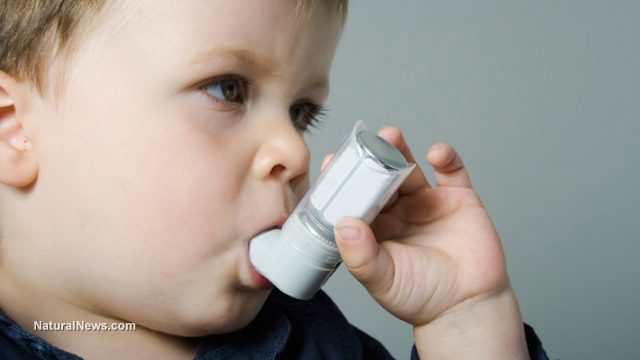 | 10/31/2016 - A well-known chemical component added to plastic containers, food cans, receipt paper, and various other consumer products has demonstrated yet another mode of toxicity, new research contends. Bisphenol-A (BPA), which has repeatedly been linked to endocrine disruption in humans, is now showing signs...
|
 | 10/17/2016 - Exposure to endocrine-disrupting chemicals, including bisphenol A (BPA) and phthalates, has been linked to a wide array of health problems, including infertility, diabetes, obesity and neurological problems, according to a scientific statement by the Endocrine Society.
Endocrine disruptors are chemicals...
|
 | 8/29/2016 - Plastic is everywhere nowadays. It is inextricably linked to the fate of our generation and future generations. For decades, different kinds of plastic have made our life so much easier. From food and water storage to building materials. We find it in our houses, children's toys, mobile phones, cars,...
|
 | 8/11/2016 - For years, the chemical bisphenol A (BPA) – commonly found in plastic bottles, can linings and other products – has been linked to a number of negative health consequences, and now a new study has indicated that even in small doses BPA can cause significant changes in metabolism as well...
|
 | 6/23/2016 - As our fake plastic society progresses into the synthetic future, we are witnessing a perpetual dumbing down of the male leader and his brazen path into the future. Through media messages and herd mentality norms, the strength and character of a man is punished and the traditional family structure is...
|
 | 6/22/2016 - Over the years, a body of research has accumulated showing that bisphenol A (BPA), a chemical used to make certain plastics and resins, can impair the human endocrine system and lead to serious health complications. Unfortunately, BPA alternatives, like bisphenol S (BPS), aren't shaping up to be any...
|
 | 6/8/2016 - Exposure to a common plastic chemical, bisphenol A (BPA) in the womb could increase the risk of breast cancer in women, reports a new study.
Many states have banned BPA in baby and children products, and various manufacturers have removed the chemical from plastic water bottles and food containers....
|
 | 5/4/2016 - A new study published in the journal Environmental Health Perspectives found that a group of chemicals used to soften and increase the flexibility of plastic and vinyl has been found to leach into fast food via the plastic containers they are packaged in.
As reported by the UK's Daily Mail Online,...
|
 | 5/3/2016 - You've probably heard of the toxic chemical bisphenol A, and may already try to avoid it as much as you can. But if you are pregnant, you should especially up your efforts to stay clear of this hormone-disrupting chemical.
BPA is a nearly ubiquitous industrial chemical used in everything from clear...
|
 | 4/21/2016 - Bisphenol-A (BPA) – the hormone-disrupting chemical most notorious for its presence in plastic water bottles and food cans – may also cause autoimmune diseases such as Type 1 diabetes, warns Nathan Ravi, a physician and former chemical engineer.
Studies have found BPA in the bodies of...
|
| 4/14/2016 - In the 1970s, Nathan Ravi was a chemical engineer for a Virginia biotechnology company. Ravi worked directly with bisphenol-A (BPA) long before the risks were publicized.
He was in great physical condition all his young life, until age 28. That's when his health started spiraling out of control....
|
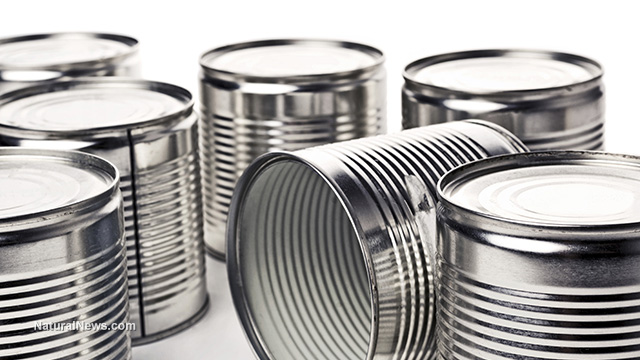 | 4/4/2016 - Finally, the health implications of bisphenol A, or BPA, are becoming well known as science continues to uncover its harmful array of side effects on humans. The industrial chemical is routinely used as a coating inside canned foods. Because it is also a synthetic estrogen, BPA mimics the body's sex...
|
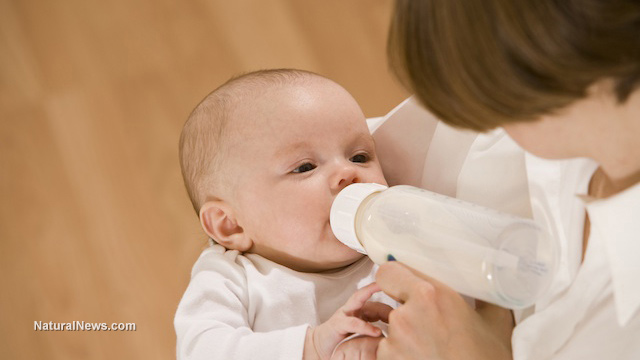 | 2/25/2016 - Could sulfur be the key to saving autistic children from the toxic tragedy that's been besieged upon them? Could organic sulfur crystals actually REVERSE autism? This is to be carefully considered now. Sulfate deficiency has been specifically identified in the cerebral spinal fluid of autistic children...
|
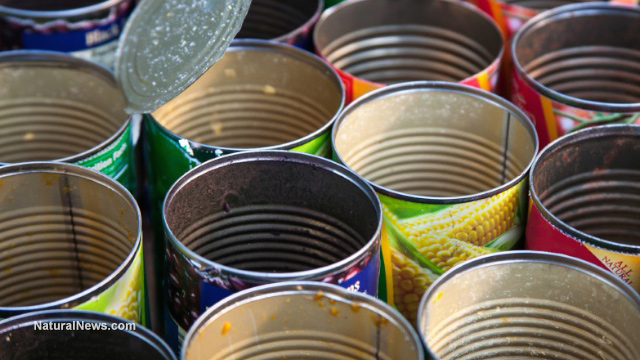 | 2/2/2016 - The ubiquitous chemical bisphenol A (BPA), most notably found in plastic bottles and food and beverage cans, may increase blood pressure and the risk of heart disease, according to a study conducted by researchers from Seoul National University College of Medicine in South Korea and published in the...
|
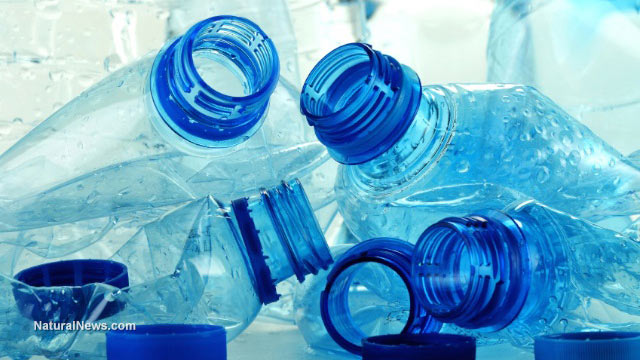 | 1/14/2016 - Many plastic product manufacturers are starting to put "BPA-free" labels on their products. The plastic industry is slowly moving away from BPA, removing it from baby bottles and plastic food storage containers. This is progress, especially since BPA has been shown to worsen obesity, cancer and behavioral...
|
| 8/23/2015 - Food giant ConAgra has announced that all cans containing its products will now be free of the toxic chemical bisphenol A (BPA). The change applies to all canned food products made in U.S. or Canadian factories after July 30.
"In response to our consumers' desire for alternate coatings for the food...
|
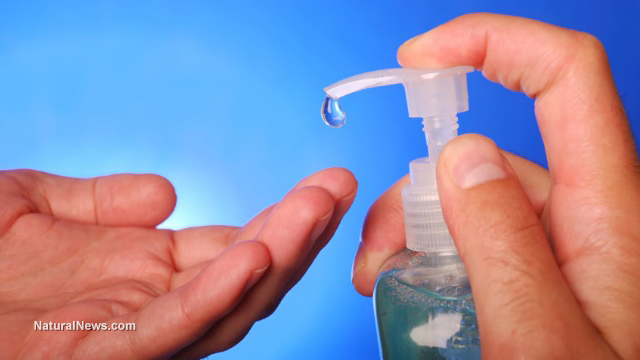 | 7/15/2015 - Hand sanitizer causes the skin to absorb 100 times more of the hormone-disrupting chemical bisphenol A (BPA), according to a study conducted by researchers from the University of Missouri and published in the journal PLOS ONE.
BPA exposure came from handling receipts printed on thermal paper, the...
|
 | 4/30/2015 - Two widespread industrial chemicals can cause infertility in fish down to at least the fourth generation: The plastics chemical bisphenol A (BPA) and a key ingredient in human birth control pills, according to a study conducted by researchers from the U.S. Geological Survey (USGS) and published in the...
|
| 4/26/2015 - The reproductive damage caused by exposure to endocrine-disrupting chemicals (EDCs) like bisphenol-A (BPA) may take several generations after initial exposure to become evident, according to new research out of Missouri.
A team of biological scientists and toxicologists determined that, even when...
|
 | 2/27/2015 - For the first time in nearly 10 years, the European Food Safety Authority (EFSA) has conducted a reassessment of the safety of bisphenol A (BPA), the plastics chemical that many a study has linked to endocrine disruption, behavioral disorders, heart disease and cancer. But rather than concur with this...
|
 | 2/26/2015 - A recent study conducted by researchers from Washington State University substantiates earlier claims regarding the connection between endocrine mimickers, such as bisphenol A (BPA), and fertility complications in men and women, according to a report by the Press Association.
Hormone disruptors,...
|
 | 1/28/2015 - In order to make plastics pliable and thermal receipt paper printable, certain chemicals have to be added to the mix that a growing body of research shows can damage the human endocrine system and cause other serious health damage. And some of the latest research on this subject warns that a popular...
|
 | 10/24/2014 - The results of a new study confirm what most already know regarding the dangers of drinking bottled water that's been left in the sun. Published in the September journal of Environmental Pollution, scientists warn against leaving plastic bottled water in any warm place, especially the car.
The University...
|
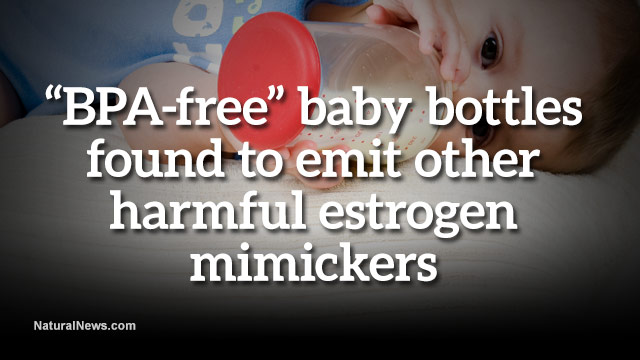 | 8/20/2014 - BPA-free labels make a product look clean and healthy, but these products could potentially harbor similar plasticizer chemicals that also disrupt hormones and the endocrine system of the human body.
The US Food and Drug Administration attempted to keep the public safe in 2012 by banning the sale...
|
| 8/9/2014 - A chemical found in many products labeled "BPA free" may produce many of the same health problems as the original chemical, including hyperactivity and cardiac arrhythmia, according to a pair of studies presented recently at the joint meeting of the International Society of Endocrinology and the Endocrine...
|
 | 7/10/2014 11:13:27 AM - U.S. Senator Ed Markey, a Democrat from Massachusetts, has introduced new legislation that would phase out the use of the estrogen-like chemical bisphenol A (BPA) in all food packaging, not just baby bottles and "sippy" cups. According to the Environmental Working Group (EWG), the Ban Poisonous Additives...
|
 | 7/2/2014 - The sudden diagnosis of cancer, the realization of its presence within, sends a cold paralysis through the mind, down the spine. The presence of cancer does not always mean that the end is imminent; instead, it can serve as an important message to the entire person, signaling for a new course in life.
The...
|
| 6/16/2014 - Baby bottles from AVENT, Born Free, Green to Grow, Evenflo and Weil Baby all emit high or very high levels of hormone-altering chemicals, says new research published in the peer-reviewed journal Environmental Health. (1)
"Many PC-replacement-products made from acrylic, polystyrene, polyethersulfone,...
|
 | 6/11/2014 - Most people probably don't think twice about it as they water their lawns or gardens. But the average garden hose is teeming with chemicals like lead and bisphenol A (BPA), according to new research, and these toxins could be making you and your family sick.
The Ecology Center, a U.S.-based research...
|
 | 5/19/2014 - The adverse reproductive effects of the plastics chemical bisphenol A (BPA) have once again been demonstrated in the scientific literature. Researchers from Stanford University in California found that the more BPA circulating in a pregnant woman's bloodstream, the greater her chances of having a miscarriage.
Among...
|
 | 4/21/2014 - Shielding from the public its true allegiances to Big Industry over the people has never been much of a concern at the U.S. Food and Drug Administration (FDA), where public policy is continually crafted in the interests of chemical and pharmaceutical corporations, with blatant disregard and even contempt...
|
 | 4/8/2014 - The human body's endocrine system and DNA are under constant attack from pollutants like bisphenol-A.
Consumers take for granted what they eat from and what they drink out of. Bisphenol-A (BPA) can still be found in the lining of canned food and in plastic water bottles. For that reason, it's typically...
|
| 4/2/2014 - Bisphenol-A (BPA), the famous synthetic chemical compound most of us have been scared away from using, now has competition. We've all heard the term, and by now, many know to avoid this widely used hormone disrupter that mimics estrogen and has been linked to serious health challenges. From water bottles...
|
 | 3/28/2014 - There have been many gender-bending and adverse health issues associated with BPA (bisphenol-A), an estrogen-mimicking molecule.
It promotes a cascade of unhealthy biochemical activities that may lead to breast cancer, prostate cancer, obesity, diabetes, hyperactivity, neurological issues, low sperm...
|
 | 3/24/2014 - Why is BPA being implicated in so many health articles and research studies being conducted lately? It's been used for decades in a boatload of consumer products, namely metal food and drink containers. Also, dental composites can contain BPA and release it with mercury, exposing adults and children...
|
 | 3/11/2014 - One aspect of continually eating foods packaged in plastics and other materials may be the prolonged low exposure of chemicals and other substances. A recent commentary published in the Journal of Epidemiology and Community Health indicated that the substances in the packaging of many processed foods...
|
 | 2/25/2014 - More reports detailing the damaging effects of exposure to chemicals have been released. Though important to both women and men, this particular finding is especially important to men. This includes their partners if they are wanting to start a family someday.
While much has been made about overheating...
|
 | 2/25/2014 - A poorly designed study with one obvious goal -- to cover up the health effects of exposure to the plastics chemical bisphenol A, or BPA -- is right now circulating the mainstream media with corresponding claims that BPA is completely safe for humans at current exposure levels, despite copious contradicting...
|
 | 1/21/2014 - New, eye-opening research on the negative effects of BPA chemicals on prostate health is emerging. After assessing the study of BPA on human stem cells, one researcher, Heather Patisaul from North Carolina State University says, "Overall I think this is some of the strongest and most convincing evidence...
|
 | 1/13/2014 - A study conducted at the University of Illinois at Chicago (released January 7th in the journal Endocrinology) has found that fetal exposure to bisphenol A (BPA) greatly increases the risk of developing prostate cancer in humans.
Gail Prins, a professor of physiology and lead author of the paper,...
|
 | 10/22/2013 - Hundreds of independent scientists, who have NO financial ties to chemical industries, are cheering the recent resignation of EU Commission panel member Wolfgang Dekant.
Why?
Because Dekant is a blatant sellout for the chemical industry, an all-out advocate for endocrine disrupters like bisphenol...
|
 | 10/20/2013 - Now that almost every baby bottle manufacturer in the country has already voluntarily stopped using toxic bisphenol A (BPA) in its product formulations, the U.S. Food and Drug Administration (FDA) has finally gotten around to issuing a formal ban on the chemical from baby bottles and children's drinking...
|
 | 10/4/2013 - A study published in this month's Environmental Health Perspectives found that perinatal exposure to toxic bisphenol-A (BPA) is linked to breast cancer later in life. Although literally hundreds of studies have shown BPA is poisonous to human health, this groundbreaking study is the first to confirm...
|
| 9/17/2013 - Widespread claims that exposure to the ubiquitous plastics chemical bisphenol-A (BPA) at common doses is generally harmless have been proven false, thanks to the findings of a new study recently published in the peer-reviewed journal Environmental Health Perspectives. Researchers from Tufts University...
|
 | 9/16/2013 - Much of the focus in recent years on hormone disruptors in consumer products and the food supply has been directed at bisphenol-A (BPA), the hidden plastics chemical that was recently found in a peer-reviewed study to be present in the bloodstreams of virtually everyone. But a new study recently published...
|
 | 9/4/2013 - If you have a child with an ever-expanding waistline and are unsure of the cause, the answer could be hiding in the toys he plays with or the bottles she drinks from. New research published in the peer-reviewed journal, Pediatrics, suggests that both bisphenol-A (BPA), the infamously toxic plastics...
|
 | 9/4/2013 - New research published in the peer-reviewed journal Environmental Science & Technology completely debunks the government lie that the plastics chemical bisphenol-A (BPA) is neither harmful nor persistent in humans at current exposure levels. Originating out of California, this latest assessment of fetal...
|
 | 7/17/2013 - The real threat from bisphenol-A (BPA), the nefarious plastics chemical linked to endocrine disruption, may have more to do with the substances produced when the chemical is metabolized by the body rather than with the actual chemical itself. A new study published in the journal PLoS One explains how...
|
 | 7/16/2013 - According to a recent animal trial in the Journal of Biomedical Research, low doses of bisphenol A (BPA) may cause reduced testosterone production. After two weeks of regular oral BPA administration, adult male rats were found to have significantly lower sperm counts than controls. The BPA also appeared...
|
 | 7/11/2013 - Though it often takes an excessive amount of time for regulatory agencies to catch up with the latest science on chemical safety, a handful of noxious chemicals have been effectively banned over the years after being identified as serious threats to human health. But oftentimes the effects of these...
|
 | 7/1/2013 - Bisphenol-A, a chemical wreaking havoc on people's hormones, is also affecting teeth enamel development. A team of French researchers from Paris, led by Sylvie Babajko, have found out that rats exposed to daily Bisphenal-A develop a dental condition called, molar incisor hypomineralisation. This condition,...
|
 | 6/27/2013 - There appears to be yet another toxic side effect associated with bisphenol-A (BPA) exposure: Tooth decay. A new study out of France recently published in the American Journal of Pathology (AJP) highlights how rats exposed to moderate doses of BPA throughout their formative years developed a condition...
|
| 4/24/2013 - Despite countless scientific evidence explaining the dangers of Bisphenol-A (BPA), the Food and Drug Administration (FDA) refuses to ban this highly profitable industrial chemical. In their "current perspective on BPA" the FDA now states that the chemical is "safe" at the exposure level listed on current...
|
 | 4/9/2013 - A recent investigative report by NBC Dateline producer Andrea Canning has revealed some shocking new details about the pervasive nature of chemicals in both everyday consumer products and the general food supply. As relayed by ElephantJournal.com, using conventional cleaning and sanitary products and...
|
 | 4/4/2013 - Plastics have long been heralded as a "scientific" breakthrough, and in many ways, plastics really are amazing materials. For cars, prosthetics, computers and industrial uses, plastics offer enormous advantages over other materials.
But when it comes to health and food, plastics are devastatingly...
|
 | 3/22/2013 - Hormone-disrupting chemicals are so widely dispersed throughout the environment that even avoiding all plastics and other food containers made with BPA and similar chemicals may not be enough to protect you, according to a study conducted by researchers from the University of Washington, Seattle Children's...
|
 | 3/19/2013 - Early-age exposure to the chemical bisphenol A (BPA), a component found in soup and other food can liners, and in some plastics, can increase the possibility of asthma in children. First to report this BPA-exposure and childhood-asthma connection are researchers at the Columbia Center for Children's...
|
 | 3/18/2013 - Bisphenol A (BPA) is one of those modern toxins that is difficult to dodge. Found in an assortment of plastic food packaging, drink containers and even credit card receipts, it's impossible to completely avoid. And the general public is poisoned by BPA on a daily basis, completely unaware a powerful...
|
 | 3/10/2013 - Just because you buy organic and avoid storing your food in plastic containers does not necessarily mean that the toxic plastics chemical bisphenol-A (BPA) is no longer in your food. A recent study published in the Journal of Exposure Science and Environmental Epidemiology has revealed that BPA and...
|
 | 3/7/2013 - Here we go again. Yet another new study has linked the chemical bisphenol A (BPA) -- widely found in plastic products, food can liners and even food receipts -- to a serious health problem. Meanwhile, although the Food and Drug Administration (FDA) banned BPA in baby bottles and sippy cups last July,...
|
 | 3/1/2013 - Scientists from Duke University in North Carolina have identified yet another major threat to human health posed by the plastics chemical bisphenol-A (BPA). According to new research, babies exposed to BPA in utero, or during their developmental stages in the womb, could experience inhibited central...
|
 | 1/28/2013 - Products labeled "BPA free" may be just as toxic as those made with the increasingly shunned original chemical, according to a study conducted by researchers from the University of Texas and published in the journal Environmental Health Perspectives.
BPA (bisphenol A) is an industrial chemical that...
|
 | 1/14/2013 - Childhood exposure to the chemical bisphenol A (BPA) is associated with changes in the body that predispose people to heart and kidney disease later in life, according to a study conducted by researchers from New York University and published in the journal Kidney International.
The findings follow...
|
 | 1/3/2013 - Two recently published studies have added to the evidence that bisphenol A (BPA) is a highly toxic chemical that poses a serious risk to human health.
BPA is an industrial chemical used in everything from food and beverage cans to CDs, thermal paper (like that used to make receipts), paper money,...
|
 | 10/29/2012 - Keeping up with the latest science regarding chemical safety is apparently of little or no concern to the Canadian government, which recently declared the highly-toxic plastics chemical bisphenol-A (BPA) to be safe just two years after declaring it to be a toxin. In a report issued by Health Canada's...
|
 | 9/25/2012 - Are the chemicals commonly found in thermal receipt paper, aluminum cans, and plastic containers causing your children to become overweight or obese? New research published in the Journal of the American Medical Association (JAMA) seems to suggest this may be the case, having found that children with...
|
 | 9/19/2012 - Bisphenol A (BPA) has been a chemical item of great health concerns for the past few years. It's common in many plastics, including plastic food and beverage containers, inner epoxy linings of cans used for canned foods, thermal paper, and paper money.
BPA leaches into the liquids and foods in those...
|
 | 8/2/2012 - Researchers have found a link between dental fillings made using bisphenol A, otherwise known as BPA, and behavior and emotional problems in children.
Scientists from New England Research Institutes in Watertown, Mass., say the effects generally show up a few years later and they were generally small...
|
 | 7/17/2012 - Growing awareness about the prolific presence of the hormone disruptor bisphenol A (BPA) in plastics, receipt paper, money, and various other consumer products and materials has led to the widespread removal of this highly toxic chemical from many products in recent years. But bisphenol S (BPS), the...
|
 | 4/9/2012 - Girls as young as 7 years old are now beginning to develop breasts and undergo other body changes that their mothers had not experienced until years later. The prime culprit for this new phenomena is bisphenol A, better known as simply BPA.
BPA is a colorless solid chemical compound which has two...
|
 | 4/3/2012 - The FDA, the organization that conspired with California bureaucrats to attack raw milk distribution centers over the past two years, has just announced it will not ban BPA. The FDA says there isn't enough evidence of BPA being harmful to humans (that's a lie) and therefore it cannot be justifiably...
|
 | 1/30/2012 - A Harvard study suggests that avoiding BPA packaging most of the time isn't enough to avoid its toxic side effects. Even a daily bowl of canned soup is enough to spike your BPA levels by more than 1,200 percent.
Researchers at the Harvard School of Public Health studied levels of the chemical BPA...
|
 | 1/3/2012 - Bisphenol A overrides the natural heartbeat signal causing female heart cells to misfire, according to a recent study. Given how pervasive BPA is these days, this could mean heart problems, possibly even fatal ones, for millions of women.
BPA is everywhere
BPA is ubiquitous in the industrial world:...
|
| 1/1/2012 - Major food companies are starting to announce plans to remove the hormone-disrupting chemical bisphenol A (BPA) from their packaging in response to growing consumer concern and the looming specter of new government regulations.
Ninety percent of the U.S. residents test positive for BPA, a chemical...
|
| 12/1/2011 - Researchers from the Harvard University School of Public Health have made a disturbing new discovery about the plastics chemical bisphenol-A (BPA). It turns out that prenatal BPA exposure can spur aggressive and undesirable behaviors in girls after they are born and reach their toddler years.
Published...
|
| 10/27/2011 - There have been several obscure studies performed and written up that have discovered natural nutrients that fight BPA toxicity. Bisphenol-A (BPA) has become epidemic in our plastic reliant society. It not only affects our current population, but there is also evidence that it is passed on to newborns...
|
| 10/19/2011 - Researchers in Barcelona recently took a look at the effects of Bisphenol A (BPA) - a substance that's commonly used in plastics and is also unfortunately found in the blood of most humans on the planet - on ovaries. In doing so, they found the BPA dramatically alters the development of ovarian cells,...
|
 | 10/11/2011 - The breast cancer research group Susan G. Komen for the Cure seems more interested in keeping its chemical industry donors happy than it is in actually finding a cure for breast cancer. A recent story in Mother Jones explains that, despite the more than 130 scientific studies that demonstrate a clear...
|
 | 10/9/2011 - New studies reveal that levels of BPA are massively higher in humans than previously assumed, causing major concern for what has been downplayed by the packaging industry as a false alarm.
BPA, or Bisphenol-A, leaches into food from plastic packaging and from the linings of canned foods, causing...
|
| 10/9/2011 - The Breast Cancer Fund recently tested 12 brand name canned soup and pasta products and found bisphenol A, or BPA, in all of them. BPA is a hormone-mimicking toxin that also has recently been found to impact our DNA and to kill off female ovarian cells in a way that may cause Down Syndrome and fertility...
|
 | 10/5/2011 - To many people interested in healthy living, the term BPA is nothing new. It stands for bisphenol A, an industrial chemical used in many hard plastic bottles and metal-based food and beverage cans since the 1960s.
A known hormone disruptor, BPA is hard to avoid. But once you learn about its dangers,...
|
| 8/17/2011 - When people begin to starve, instinctive primal triggers lead to a desire to do absolutely anything for food. Those with food, whether it is the government or a nearby family, will have complete power over others. Food could essentially be used as a weapon, thousands of times more powerful than money...
|
| 8/16/2011 - The U.S. Environmental Protection Agency (EPA) has decided to launch an investigation into the effects of bisphenol A (BPA) after a number of highly-publicized studies have found that the estrogen-mimicking hormone is a threat to human health. According to the EPA's report on the subject, the environment...
|
| 8/3/2011 - The endocrine-disrupting chemical bisphenol A (BPA) has been found in cans and plastic bottles, and it may even be hiding in the strangest of places -- your wallet. Previous studies have found traces of BPA on U.S. dollar bills, but new research has found that BPA is contaminating the entire global...
|
 | 6/30/2011 - Don't worry, be happy. Just ignore the fact that countless researchers have warned time and time again that the chemical bisphenol A (BPA for short) is a major hormone disruptor and is a huge threat to human health. After all, we must all be safe because the U.S. Food and Drug Administration (FDA) would...
|
 | 5/24/2011 - The Atlantic recently posed the obvious but, as yet, unasked question: What is in the new BPA-free plastics that are now flooding the market, and how do we know they are safe? (http://www.theatlantic.com/life/archive/2011/04/beyond-bpa-could-bpa-free-products-be-just-as-unsafe/237246/)
Bisphenol...
|
 | 5/7/2011 - Last August, ANH-USA filed a Citizen Petition with the Consumer Product Safety Commission (CPSC) to have the endocrine-disrupting chemical bisphenol-A (BPA) banned from thermal cash register receipts (www.anh-usa.org/anh%E2%80%93usa-files-petition-to-ban-bpa-in-cash-register-receipts). Cash register...
|
 | 5/6/2011 - BPA, also known as bisphenol-A, is a chemical compound often used in the production of a large variety of plastics. The widespread use of BPA has come under public scrutiny due to known connection to a host of health problems, including heart complications, cancer, neurological issues, diabetes and...
|
 | 5/2/2011 - One of the best ways to avoid exposure to the toxic plastics chemical bisphenol-A (BPA) might simply be to cut packaged foods from your diet, says a new study published in the journal Environmental Health Perspectives. Plastic bags, containers, cups, wraps, and other types of food packaging often contain...
|
| 3/27/2011 - Avoiding exposure to Bisphenol-A (BPA), the endocrine-disrupting plastics chemical linked to reproductive problems and other serious health issues, means more than just drinking out of BPA-free bottles and limiting consumption of canned foods. A new study put out by the Washington Toxics Coalition (WTC)...
|
| 3/10/2011 - Warnings against Bisphenol (BPA)-containing plastics are rampant. Most people understand that BPA should be avoided. But do people understand what BPA is? This article attempts to shed light on BPA. However, the information presented here is not all-inclusive and it is important to conduct your own...
|
| 1/31/2011 - Exposure to the ubiquitous industrial chemical bisphenol A (BPA) has once again been linked to decreased sperm health, this time in humans, in a study conducted by researchers from Kaiser Permanente and published in the journal Fertility and Sterility.
The findings are of particular concern because...
|
| 12/30/2010 - People in the United States are probably exposed to levels of the hormone-disrupting chemical bisphenol A (BPA) at levels far higher than previously believed, according to a study conducted by researchers from the University of Missouri and published in the journal Environmental Health Perspectives.
"Our...
|
 | 12/21/2010 - The U.S. government is so concerned with health safety and hell-bent on supposedly protecting people from consuming certain natural foods (like raw milk), you can rest assured that Americans are not being exposed to well-documented chemical dangers in the food supply, right? Wrong.
The chemical...
|
 | 12/9/2010 - A new test conducted by the Washington Toxics Coalition and Safer Chemicals, Healthy Families has revealed that the plastics chemical bisphenol-A (BPA) is most likely lurking in your wallet. According to the findings, nearly every dollar bill tested in the multi-state analysis revealed BPA contamination,...
|
| 11/30/2010 - Oil and grain conglomerate Archer Daniels Midland has announced that the chemical isosorbide could function as a replacement for the embattled petroleum derivative bisphenol A (BPA). The company says it is the first to offer "renewable" (corn-based) isosorbide on such a large scale.
BPA is a ubiquitous...
|
| 11/29/2010 - Beginning in March 2011, the European Union (EU) will outlaw the manufacture and sale of baby bottles and containers made with bisphenol-A (BPA), a plastics chemical linked to endocrine disruption, developmental disorders, and other illnesses. The decision came after a series of new studies were released...
|
| 11/18/2010 - Teenagers carry 30 percent more of the toxic chemical bisphenol A (BPA) in their bodies than older adults, according to a study conducted by researchers from Statistics Canada.
BPA is an industrial chemical used to make hard, clear plastics for water bottles and baby bottles, and resins to line food...
|
| 11/16/2010 - Results from a five-year trial on the effects of bisphenol-A (BPA) in human males has revealed that the popular plastics chemical destroys sperm. One of the few BPA studies involving humans, the trial sheds more light on the obvious harm BPA causes on male reproduction, and the need to immediately remove...
|
| 11/10/2010 - Canada just became the first country in the world to declare bisphenol A (BPA) to be a toxic substance that poses risks to human health and the environment. BPA is a synthetic chemical used to make plastic drinking bottles, baby bottles and storage containers as well as the lining of food and drink...
|
| 11/8/2010 - Bisphenol A (BPA) is an estrogen-mimicking substance that has been linked to a number of crippling health conditions. It has been tied to obesity and fertility problems, and numerous studies have found that it may devastate human health in other ways. Canada has taken a large step in the fight against...
|
| 11/6/2010 - Bad news has emerged for those hoping to avoid exposure to the hormone-disrupting chemical bisphenol A (BPA) by canning their own vegetables: BPA can also be found lining the lids of canning jars.
BPA is a synthetic chemical widely used in the manufacturing of hard, durable plastics (including in...
|
| 10/13/2010 - Bisphenol A (BPA), the endocrine-disrupting plastics compound that has garnered much attention for its prevalence in infant- and water bottles, is far more common in an even more widely used family of products: canned foods and beverages.
Almost 100 percent of canned food and beverage products on...
|
| 10/12/2010 - Chemist John Warner learned about thermal- and pressure-sensitive papers while working for Polaroid years ago. A powdery coating that contains BPA, a dye and a solvent is laid onto one side of the paper. Then heat or pressure is applied causing the substances to merge, and the ink's color is released....
|
| 10/3/2010 - The hormone-disrupting chemical bisphenol A (BPA) is found in high levels in canned food, a coalition of environmental groups has warned, sparking warnings from some doctors that pregnant women should avoid such products.
"Fresh fruits and vegetables may be more expensive, but I believe that the...
|
| 9/30/2010 - Some recent reports about the dangers of the plastic chemical bisphenol A (BPA) insist that people not worry because overall exposure is limited, they say. But a new report published in the journal Environmental Health Perspectives says otherwise, estimating that the average person is exposed to at...
|
| 9/8/2010 - A new study out of Harvard Medical School has found that much of the white resin material used in dental fillings and sealants contains dangerous levels of bisphenol A (BPA). According to the analysis, enzymes in saliva can break down the tainted dental material and extract BPA from it, exposing children...
|
| 8/31/2010 - A recent study published online in the journal Biology of Reproduction further reveals the disruptive nature of bisphenol A (BPA) in gene expression. According to the data, pregnant mice exposed to BPA experience significant genetic changes in their fetal ovaries, indicating that the next generation...
|
| 8/30/2010 - A product survey conducted by The Independent found that the toxic chemical bisphenol-A (BPA) is used in 18 on the 20 top-selling canned food products in the United Kingdom.
BPA is one of the most widely produced chemicals in the world. It is used to harden plastic in everything from infant and water...
|
| 8/21/2010 - A recent report released by Statistics Canada, Canada's official statistical agency, has revealed that more than 90 percent of Canadians are contaminated with bisphenol-A (BPA), a toxic chemical compound used in many plastics and resins. The report is the first of its kind in Canada to verify the extent...
|
| 7/1/2010 - The controversial chemical bisphenol-A (BPA), already linked to a wide array of health problems, may also increase the risk of asthma in children, according to a study conducted by researchers from the University of Texas Medical Branch, Galveston and published in the journal Environmental Health Perspectives.
BPA...
|
| 6/17/2010 - Following its 2008 declaration that the chemical bisphenol-A (BPA) is a safe additive in food and beverage plastics, the U.S. Food and Drug Administration (FDA) received criticism from consumer advocacy groups and others for neglecting scientific evidence that indicated the contrary. The agency reluctantly...
|
| 5/19/2010 - The widespread toxin bisphenol-A (BPA) damages the intestines and may lead to a painful condition known as leaky gut syndrome, according to a study conducted by researchers from the National Institute of Agronomic Research researchers in Toulouse, France, and published in the Proceedings of the National...
|
| 5/12/2010 - Seven leading scientists have sent a letter to the United Kingdom's Health Secretary, Andy Burnham, urging him to ban the use of the endocrine-disrupting chemical bisphenol-A (BPA) in products intended for use in feeding infants.
"We urge you now to adopt a standpoint consistent with the approach...
|
| 5/7/2010 - An increasing number of states are considering banning bisphenol-A (BPA) from food and drink containers in response to growing concerns that the chemical causes cancer, heart disease, diabetes, and other serious illnesses. Despite disregard by the U.S. Food and Drug Administration (FDA) about its potential...
|
 | 4/13/2010 - Earlier this year, research linked bisphenol A (BPA), a common component of plastics and a powerful hormone disrupter, to heart disease (https://www.naturalnews.com/027974_bisphenol_A_heart_disease.html). Now, in the March issue of the Journal of the Federation of American Societies for Experimental...
|
| 4/8/2010 - Most readers of NaturalNews are well aware of the health concerns around bisphenol A (BPA). Most parents know that everything their baby comes in contact with should be BPA-free. BPA has been linked to heart disease, sexual dysfunction, and more.1 Yet despite all of this, as well as concerns...
|
| 2/22/2010 - Infertility is not an easy issue for any couple to deal with. For some this miracle of life can become a daunting task, and a failure to conceive has been the cause of many separations. Research has shown that due to the increase of plastics being used infertility rates are on the rise. Recent research...
|
| 2/16/2010 - Prenatal exposure to the endocrine-disrupting chemical bisphenol A (BPA) may increase aggressive behavior in toddler girls, according to a study conducted by researchers from the University of North Carolina-Chapel Hill and published in the journal Environmental Health Perspectives.
Researchers measured...
|
| 1/28/2010 - For the first time in the history of its testing, the Environmental Working Group (EWG) has found bisphenol A (BPA) in the umbilical cord blood of American babies. Nine out of ten samples tested positive for the chemical, a shocking number when considering the laundry list of chronic illnesses that...
|
 | 1/18/2010 - The American Chemistry Council (ACC) has never met a chemical it didn't like. The organization is a chemical advocacy group whose members include all the largest chemical producers such as Monsanto, Bayer, Merck, Chevron, DuPont and many more. It's like a Who's Who of companies whose products pollute...
|
| 1/18/2010 - According to the American Heart Association, cardiovascular disease is the number one killer in the U.S. Various forms of the disease take the lives of over 80 million Americans a year. And while we've all heard about the risk factors for cardiovascular disease -- including smoking, being overweight,...
|
| 12/15/2009 - A recent study published in the journal Human Reproduction has found that exposure to high levels of bisphenol A (BPA) is causing various reproductive and sexual problems in men. Funded by the federal government, the study revealed that BPA is detected in the urine of roughly 93% of the U.S. population,...
|
| 12/8/2009 - A recent analysis of canned foods revealed that, across the board, the cans contained measurable levels of bisphenol A, also known as BPA, a toxin known to cause hormonal problems, sexual dysfunction, cancer, and other abnormalities. Even among products labeled "BPA-free", tests revealed levels of BPA...
|
| 11/25/2009 - Big Pharma bombards consumers with ads for drugs to treat erectile dysfunction (ED), the politically correct term for what used to be known as "impotence". Erectile dysfunction, the repeated inability to get or maintain an erection firm enough for sexual intercourse, is a problem affecting between 15...
|
| 11/13/2009 - The Endocrine Society has issued an official statement expressing concern over the health effects of the common industrial chemical bisphenol A (BPA).
BPA is widely used to make plastics products hard and transparent, such as in water or baby bottles, and is also used to line cans of food or infant...
|
| 11/3/2009 - How's this for a B movie sci fi plot: evil scientists use chemicals to transform toddler girls into terrifying little monsters. Unfortunately, researchers have uncovered a real life scenario that has some serious similarities to this creepy fantasy. While there are no evil doing scientists or true monsters...
|
| 10/14/2009 - Drinking water from plastic bottles made with the toxic chemical bisphenol A (BPA) increases urinary levels of the chemical by nearly 70 percent, according to a study conducted by researchers from Harvard University and the Centers for Disease Control and Prevention.
BPA, an industrial chemical that...
|
| 10/2/2009 - An international consortium of experts on the toxic chemical bisphenol A (BPA) has issued a statement condemning the FDA's insistence that the chemical is safe.
"It is becoming undeniable that BPA is dangerous," said Laura Vandenberg of Tufts University. "The FDA's standard for safety is reasonable...
|
| 4/28/2009 - A test performed by Canada's national health regulatory agency, Health Canada, has turned up detectable levels of the hormone-disrupting compound bisphenol A (BPA) in 96 percent of canned soft drinks.
BPA is an industrial chemical used to make plastics hard and transparent, as in water or baby bottles,...
|
| 4/8/2009 - In spite of rising concern over the endocrine-disrupting effects of bisphenol-A (BPA), the chemical is still used in dental sealants that are strongly recommended by the American Dental Association.
BPA is used in a wide variety of industrial applications, including in the making of compact discs,...
|
| 3/18/2009 - Bisphenol A (BPA) is a chemical that has been used for years in the production of plastic and epoxy resins. The plastic it is used to produce is used for food and beverage containers, CDs, DVDs, sports equipment, cars, and thousands of other products. Epoxy resins are found in paint and in the lining...
|
| 3/9/2009 - After years of insisting Bisphenol-A (BPA) posed no threat to the health of babies, six larger manufacturers of baby bottles have announced they will stop shipping new baby bottles made with the chemical. No existing baby bottles are being recalled, however. Nor are they being taken off the shelves...
|
| 3/9/2009 - In the first direct evidence that bisphenol A (BPA) can be harmful primates, the chemical was observed to produce neurological problems in monkeys, in a study conducted by researchers from Yale School of Medicine and published in the Proceedings of the National Academy of Sciences.
"Our findings...
|
| 2/9/2009 - Consumers are becoming increasingly wary of the risks of the chemical known as bisphenol A (BPA), and are demanding that companies develop alternative products that do not contain the toxin.
BPA is a chemical used to make plastics hard and transparent, such as in polycarbonate water or baby bottles,...
|
| 12/19/2008 - Given these uncertain times, it makes sense to have a reserve food supply. Canned food not only provides long term storage and survives external contamination, but also provides a back up in the event of a food shortage. However, it turns out that most canned foods (even "USDA Organic") contain plastic...
|
 | 10/24/2008 - Charles Gelman, a retired manufacturer of syringes and medical filtration devices who considers Bisphenol A (BPA) to be "perfectly safe", gave $5 million to the research center headed by Martin Philbert, the chairman of a Food and Drug Administration panel about to rule on the chemical's safety. The...
|
 | 10/24/2008 - The FDA has been caught red-handed conspiring with the chemical industry to conclude that Bisphenol-A, the plastics chemical, is harmless to human health. As revealed by the Environmental Working Group (see below), the FDA based its evaluation of BPA on a report authored by the American Chemistry Council...
|
 | 10/2/2008 - Bisphenol A or BPA is an ingredient used to make hard, clear plastics and is also found in the lining of many canned products including pet foods. BPA is known to seep into food or liquids. The FDA, in typical fashion has waffled on its stance regarding the safety of BPA but recently the National Toxicology...
|
 | 9/24/2008 - Major retailers and manufacturers have begun pledging to stop using the chemical bisphenol A (BPA) following a ruling by the U.S. government's National Toxicology Program and a decision by the Canadian government to ban the chemical in baby bottles.
BPA is an industrial chemical commonly used to...
|
 | 9/18/2008 - As Canada considers banning bisphenol A (BPA) in all infant products, a leading BPA researcher warns that even this unprecedented measure does not go far enough.
"If it's hard and clear and doesn't say 'No BPA,' don't use it," said Frederick vom Saal of the University of Missouri-Columbia.
BPA...
|
 | 9/16/2008 - If you live in the U.S. and eat any packaged foods at all, you are probably also consuming the chemical bisphenol A, or BPA. Now, for the first time, scientists have made a startling discovery about the chemical that could help explain the epidemic of heart disease and diabetes in this country.
Previous...
|
 | 8/28/2008 - In a move that surprised no one, the FDA has aligned itself with the chemical industry and declared that Bisphenol-A, a plastics chemical previously linked to neural defects, is safe enough for babies to drink! Echoing the profit-minded desires of the chemical companies that manufacture plastic products,...
|
 | 3/17/2008 - Bisphenol-A could be making us fatter. Diet and too little exercise are the main culprits of what has been called the obesity epidemic, but the hormone mimicker bisphenol-A might be tipping the scales, so to speak.
Bisphenol-A (BPA) is mainly found in polycarbonate plastic, which is labeled with...
|
 | 1/25/2008 - For decades, the federal government and chemical-makers have assured the public that the hormone-mimicking compound Bisphenol-A is safe. This chemical is found in baby bottles, aluminum cans and hundreds of other household products.
But a recent investigation by the Milwaukee Journal Sentinel has...
|
 | 9/21/2007 - You've probably done your research on the best formula available, carefully reviewed its list of ingredients, and studied all the nutrients from which your child will benefit. But you surely missed this unlisted item: Bisphenol A.
Bisphenol A (BPA) is a chemical used in the production of polycarbonates...
|
 | 8/9/2007 - Before you decide to chew on the cap of your water bottle because you're nervous, make sure the plastic you are chewing on isn't full of carcinogens and chemicals -- even though lobbyists for the plastics industry argue that any traces of the toxic substance bisphenol A are low and therefore, insubstantial.
Bisphenol...
|
 | 4/2/2007 - A new study spearheaded by the Environmental Working Group found the toxic chemical bisphenol A (BPA) in over 50 percent of the name-brand canned goods tested. In some cases, a single serving was enough to expose a woman or infant to BPA levels that were 200 times higher than the government's safe...
|
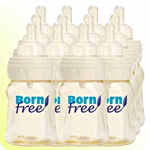 | 3/20/2007 - The Born Free company (www.NewBornFree.com) has received the "Best New Infant Health Product" award from Mike Adams, the Health Ranger, following the Natural Products Expo West 2007 trade show in Anaheim, California. In this review, the Health Ranger offers a brief review of the Born Free company and...
|
 | 12/5/2006 - University of Missouri, Columbia biological sciences professor Fred vom Saal is determined to show that plastics corporations are just as dangerous as tobacco companies, and reports that one major chemical company tried to persuade him to hold off on publishing his research to that effect.
The primary...
|
| 10/13/2006 - Bisphenol A, a common industrial chemical claimed to speed the growth of human breast and ovarian cancers, retains its carcinogenic properties even after being modified by body processes, report Indiana University and University of California at Berkeley scientists in the Aug. 28th issue of Chemistry...
|
See all 184 BPA feature articles.Concept-related articles:Cancer:Prostate cancer:Cancer cells:Estrogen:Scientists:Milk:Water:Food:Prostate:Risk:Patients:Research:Exposure:Food containers:WHO:Environmental:
|
 |
Concepts related to BPA
View BPA on NaturalPedia™
|
Today's Top Stories on NaturalNews
Today | Week | Month | Year
- 'Never has there been a safe vaccine,' Suzanne Humphries, MD, says in interview
- Eighteen Overlooked Symptoms of Adrenal Fatigue
- A common vegetable cures skin cancer
- Have your herbs and take them too - Make your own tinctures
- Bill Gates says vaccines can help reduce world population
- Indian black salve: The magical cancer cure
- Indian doctors sue Bill Gates for harming children with deadly 'humanitarian' vaccines
- Shock findings in new GMO study: Rats fed lifetime of GM corn grow horrifying tumors, 70% of females die early
- The REAL FAKE NEWS exposed: '97% of scientists agree on climate change' is an engineered hoax... here's what the media never told you
- Lack of Forgiveness Can Affect Our Health
- Why Vaccinations Harm Children: Health Experts Sound Off
- Ten Natural Ways Grow Hair and Reduce Hair Loss
- The United Nations 2030 Agenda decoded: It's a blueprint for the global enslavement of humanity under the boot of corporate masters
- Pfizer to Pay Tens of Millions for Deaths of Nigerian Children in Drug Trial Experiment
- The last antibiotic: Drug companies run out of weapons against the very same superbugs they helped create
- New York abandons swine flu vaccine mandate for health care workers, blames vaccine shortage
- Water filters tested for heavy metals removal: Zero Water, Pur, Brita, Mavea, Culligan, Seychelle and Waterman
- The best and worst forms of magnesium to take as a supplement
- 'Never has there been a safe vaccine,' Suzanne Humphries, MD, says in interview
- The REAL FAKE NEWS exposed: '97% of scientists agree on climate change' is an engineered hoax... here's what the media never told you
- Bill Gates says vaccines can help reduce world population
- The best and worst forms of magnesium to take as a supplement
- Nine cancer cures that the Medical Mafia doesn't want you to know about
- Eighteen Overlooked Symptoms of Adrenal Fatigue
- The United Nations 2030 Agenda decoded: It's a blueprint for the global enslavement of humanity under the boot of corporate masters
- Shock findings in new GMO study: Rats fed lifetime of GM corn grow horrifying tumors, 70% of females die early
- Antibiotics used in meat pose a threat to public health, admits FDA
- Beat cancer with 35% hydrogen peroxide
- Lack of Forgiveness Can Affect Our Health
- Apricot Seeds Kill Cancer Cells without Side Effects
- Water filters tested for heavy metals removal: Zero Water, Pur, Brita, Mavea, Culligan, Seychelle and Waterman
- What's really in vaccines? Proof of MSG, formaldehyde, aluminum and mercury
- Baking Soda Prevents Kidney Disease, Renal Failure and Kidney Dialysis
- Urgent lawsuit filed against FDA to halt swine flu vaccines; claims FDA violated federal law
- REVEALED: Cancer industry profits 'locked in' by nagalase molecule injected into humans via vaccines... spurs tumor growth... explains aggressive vaccine push
- Cocktail of Pharmaceuticals Found in the Fish Caught Near Major U.S. Cities
- The REAL FAKE NEWS exposed: '97% of scientists agree on climate change' is an engineered hoax... here's what the media never told you
- Beat cancer with 35% hydrogen peroxide
- The best and worst forms of magnesium to take as a supplement
- The United Nations 2030 Agenda decoded: It's a blueprint for the global enslavement of humanity under the boot of corporate masters
- Apricot Seeds Kill Cancer Cells without Side Effects
- Bill Gates says vaccines can help reduce world population
- Forget Filling Cavities: Regrow Your Teeth Instead
- The MMR vaccine, autism connection
- Six little-known natural remedies for tinnitus
- Supplements to detox the body from vaccinations
- Dandelion root extract found to kill leukemia cells, prostate cancer cells and chemo-resistant melanoma
- What's really in vaccines? Proof of MSG, formaldehyde, aluminum and mercury
- Indian black salve: The magical cancer cure
- Reverse and eliminate cataracts naturally without surgery
- High-dose vitamin C injections shown to annihilate cancer
- Eighteen Overlooked Symptoms of Adrenal Fatigue
- INVESTIGATION: Three days before Dr. Bradstreet was found dead in a river, U.S. govt. agents raided his research facility to seize a breakthrough cancer treatment called GcMAF
- The aloe vera miracle: A natural medicine for cancer, cholesterol, diabetes, inflammation, IBS, and other health conditions
See All Top Headlines...
Most Popular Stories
 |
TED aligns with Monsanto, halting any talks about GMOs, 'food as medicine' or natural healing |
|
 |
10 other companies that use the same Subway yoga mat chemical in their buns |
|
 |
Warning: Enrolling in Obamacare allows government to link your IP address with your name, social security number, bank accounts and web surfing habits |
|
 |
High-dose vitamin C injections shown to annihilate cancer |
|
 |
USDA to allow U.S. to be overrun with contaminated chicken from China |
|
 |
Vaccine fraud exposed: Measles and mumps making a huge comeback because vaccines are designed to fail, say Merck virologists |
|
 |
New USDA rule allows hidden feces, pus, bacteria and bleach in conventional poultry |
|
 |
Battle for humanity nearly lost: global food supply deliberately engineered to end life, not nourish it |
|
 |
Harvard research links fluoridated water to ADHD, mental disorders |
|
 |
10 outrageous (but true) facts about vaccines the CDC and the vaccine industry don't want you to know |
|
 |
EBT card food stamp recipients ransack Wal-Mart stores, stealing carts full of food during federal computer glitch |
|
 |
Cannabis kicks Lyme disease to the curb |
|
|
Recommended Resources
TV.NaturalNews.com is
a free video website featuring thousands of videos on holistic health, nutrition,
fitness, recipes, natural remedies and much more.
CounterThink Cartoons are
free to view and download. They cover topics like health, environment and freedom.
The Consumer Wellness Center is
a non-profit organization offering nutrition education grants to programs that
help children and expectant mothers around the world.
Food Investigations is
a series of mini-documentaries exposing the truth about dangerous ingredients
in the food supply.
Webseed.com offers
alternative health programs, documentaries and more.
The Honest Food Guide is
a free, downloadable public health and nutrition chart that dares to tell the
truth about what foods we should really be eating.
HealingFoodReference.com offers
a free online reference database of healing foods, phytonutrients and plant-based
medicines that prevent or treat diseases and health conditions.
HerbReference.com is
a free, online reference library that lists medicinal herbs and their health
benefits.
NutrientReference.com is
a free online reference database of phytonutrients (natural medicines found in
foods) and their health benefits. Lists diseases, foods, herbs and more.
|
|





