




Eating Curry Fights Dementia
Thursday, August 20, 2009 by: David Gutierrez, staff writer
Tags: curry, health news, Natural News
- The MMR vaccine, autism connection
- The best and worst forms of magnesium to take as a supplement
- CLAIM: Cell towers across the USA are broadcasting brain resonance frequencies to disrupt human minds, says former DARPA scientist
- Zeolite detox myths busted: In lab tests, zeolites do NOT bind with aluminum, lead, uranium, mercury or cadmium... only CESIUM
- The true story of SV40, the cancer-causing virus hidden in polio vaccines
- Chemtrails used for corporate profits, weapons and depopulation agendas
- Colorado Batman shooting shows obvious signs of being staged
- Reverse and eliminate cataracts naturally without surgery
- Stop stomach ulcers with the miracle remedy of cabbage
- Extreme bias at Wikipedia on homeopathic medicine
- Heal cavities, gum disease, and whiten teeth with natural homemade toothpaste and diet
- Smoking Increases and Risk for Bladder Cancer Increases Too
- The Health Ranger interviews neurosurgeon Dr. Russell Blaylock on mandatory vaccine trials, fraudulent vaccine science and vaccine ethics
- Why Vaccinations Harm Children: Health Experts Sound Off
- Cannabis kicks Lyme disease to the curb
- Woman shrinks thyroid nodules with pure nutrition, not meds
- Two men per day receiving prosthetic penis implants
- Battle for humanity nearly lost: global food supply deliberately engineered to end life, not nourish it
- The best and worst forms of magnesium to take as a supplement
- The MMR vaccine, autism connection
- Colorado Batman shooting shows obvious signs of being staged
- The United Nations 2030 Agenda decoded: It's a blueprint for the global enslavement of humanity under the boot of corporate masters
- Flu vaccines causing massive spike in deaths of elderly across the UK, warn health officials
- Petroleum-based skin care: The #1 pore-clogging toxin sold in the USA
- Reverse and eliminate cataracts naturally without surgery
- Top six alkaline foods to eat every day for vibrant health
- Extreme breastfeeding? Woman saves Rottweiler pup by breastfeeding it alongside her own infant
- Flu shot hoax admitted: "No controlled trials demonstrating a decrease in influenza"
- Top three factors for improving your eyesight naturally
- Vitamin D proven far better than vaccines at preventing influenza infections
- Apricot Seeds Kill Cancer Cells without Side Effects
- Big Pharma suffers another major blow as study debunks high cholesterol myths, admitting statins are totally worthless
- How to Detox Fluorides from Your Body
- Increase your energy with a spring detox
- Top 8 foods and herbs for healing cancer
- Beat cancer with 35% hydrogen peroxide
- The MMR vaccine, autism connection
- The best and worst forms of magnesium to take as a supplement
- The United Nations 2030 Agenda decoded: It's a blueprint for the global enslavement of humanity under the boot of corporate masters
- Use natural remedies for a hiatal hernia
- Colorado Batman shooting shows obvious signs of being staged
- Baking soda, cancer and fungus
- Top six alkaline foods to eat every day for vibrant health
- Indian black salve: The magical cancer cure
- Extreme breastfeeding? Woman saves Rottweiler pup by breastfeeding it alongside her own infant
- Apricot Seeds Kill Cancer Cells without Side Effects
- High-dose vitamin C injections shown to annihilate cancer
- Reverse and eliminate cataracts naturally without surgery
- Vaccine fraud exposed: Measles and mumps making a huge comeback because vaccines are designed to fail, say Merck virologists
- The aloe vera miracle: A natural medicine for cancer, cholesterol, diabetes, inflammation, IBS, and other health conditions
- Boost Low White Blood Cell Count and Immune Function Naturally
- Top three factors for improving your eyesight naturally
- Peanut oil in vaccines behind widespread peanut allergy epidemic
- Colloidal gold: The great rejuvenator of mind and body
- Eleven days before Iran bombed Tel Aviv, my microscope revealed haunting images of EXACTLY what would happen
- DECENTRALIZED SPIRITUALITY and the true teachings of Christ: Overcoming the censorship, threats and lies of organized religion to truly know God and the Universal Christ
- Morphic resonance “remote viewing” reveals iconic Middle East images of stealth bombers, a falcon and a one-horned ram
- The Coming Gold Revaluation: Strategic Financial Realignment in an Era of Dollar Collapse
- The AI Data Center Wars Have Begun… Farms, Water and Electricity is Stripped from Humans to Power the Machines
- Urgent Wake-Up Call: The Coming AI Robot Wars and the Great Human Unity
- HEALTH SECRETS: How to Instantly Block MSG Toxicity Using Natural Substances (and the secret of Methylene Blue)
- The War on Light: How Governments and Big Pharma Keep You Sick By Blocking Healing Photons
- THE AI RACE IS ALREADY WON: How China’s power dominance (and America’s climate lunacy surrender) secured its victory in the race to AI superintelligence
- Why the U.S. Government May be Seeking to Slaughter 200 Million Americans to Free Up Excess Power for AI Data Centers and the Race to Superintelligence
- Trump's Trojan Horse: How Stablecoins Are Secretly Paving the Way for a CBDC Control Grid – an Interview with Catherine Austin Fitts
- EXCLUSIVE REPORT: The Trump-Putin Meeting in Alaska - A Historic Pivot that Redefined Global Power
- Amazing microscopy photos reveal how freezing crystals attempt to mimic electronic structures they are touching
- Injecting chemicals is MORE DANGEROUS than eating them, so why is polysorbate 80 banned in ICE CREAM but allowed in VACCINES?
- BOMBSHELL: Internal Pfizer documents exposed and reveal at least 16 PERCENT of their mRNA vaccine "adverse events" are REPRODUCTIVE DISORDERS
- Exploring the depths of alternative medicine: A comprehensive review of “The Gale Encyclopedia of Alternative Medicine”
- 18 MILLION COVID-JABBED Japanese folks shown to have SIGNIFICANTLY HIGHER DEATH RATES during first year after injection with mRNA clot shots
- Shingles surge sparks new focus on holistic care: Tackling pain, immunity and risks





"If you have a good diet and take plenty of exercise, eating curry regularly could help prevent dementia," researcher Murali Doraiswamy said.
Researchers conducted experiments on the effects of curcumin, a biologically active ingredient of the essential curry spice turmeric.
"There is very solid evidence that curcumin binds to plaques, and basic research on animals engineered to produce human amyloid plaques has shown benefits," Doraiswamy said. "You can modify a mouse so that at about 12 months its brain is riddled with plaques. If you feed this rat a curcumin-rich diet, it dissolves these plaques. The same diet prevented younger mice from forming new plaques."
Amyloid plaques and nerve fiber tangles are thought to be among the causative agents of the brain damage that produces the symptoms of dementia.
A clinical trial is currently underway at the University of California-Los Angeles to see if curcumin has the same benefits in human Alzheimer's patients as in mice. According to Doraiswamy, the evidence suggests that human beings would need to eat two to three meals of curry per week to lower their risk of dementia.
Because it would take more than 100 grams of curry powder to get enough curcumin to count as a clinical dose, scientists are exploring the possibility of developing a curcumin pill.
Doraiswamy warned, however, that even consuming massive amounts of curcumin could not compensate for a bad diet and sedentary lifestyle, two of the biggest risk factors for Alzheimer's disease.
Previous research has shown that curcumin also improves the symptoms of cancer and arthritis, and may help suppress the growth of body fat.
Sources for this story include: news.bbc.co.uk.


Curry at FETCH.news
Get independent news alerts on natural cures, food lab tests, cannabis medicine, science, robotics, drones, privacy and more.

Take Action: Support Natural News by linking to this article from your website
Permalink to this article:
Embed article link: (copy HTML code below):
Reprinting this article:
Non-commercial use OK, cite NaturalNews.com with clickable link.
Follow Natural News on Facebook, Twitter, Google Plus, and Pinterest

Science News & Studies

Medicine News and Information

Food News & Studies

Health News & Studies

Herbs News & Information

Pollution News & Studies

Cancer News & Studies

Climate News & Studies

Survival News & Information

Gear News & Information

News covering technology, stocks, hackers, and more




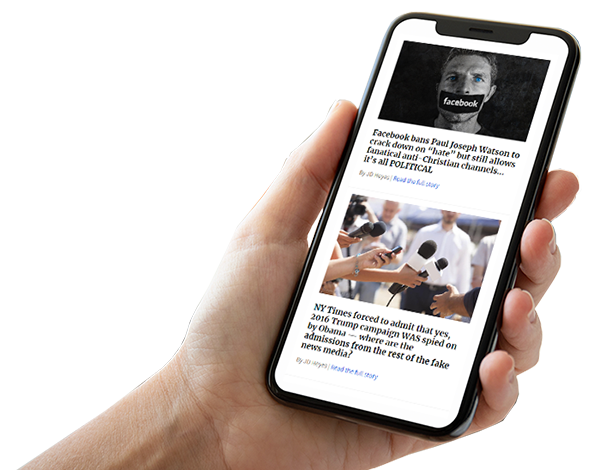

"Big Tech and mainstream media are constantly trying to silence the independent voices that dare to bring you the truth about toxic food ingredients, dangerous medications and the failed, fraudulent science of the profit-driven medical establishment.
Email is one of the best ways to make sure you stay informed, without the censorship of the tech giants (Google, Apple, Facebook, Twitter, YouTube, etc.). Stay informed and you'll even likely learn information that may help save your own life."
–The Health Ranger, Mike Adams