




Massage therapy, healing touch are good medicine for the treatment and prevention of chronic disease
 Wednesday, July 28, 2004 Wednesday, July 28, 2004by Mike Adams, the Health Ranger Editor of NaturalNews.com (See all articles...) Tags: massage therapy, therapeutic touch, healing touch |
- Peanut oil in vaccines behind widespread peanut allergy epidemic
- Business is Booming (comic)
- Stop stomach ulcers with the miracle remedy of cabbage
- Studies show chlorella could improve insulin sensitivity in type 2 diabetes patients
- The aloe vera miracle: A natural medicine for cancer, cholesterol, diabetes, inflammation, IBS, and other health conditions
- High-dose vitamin C injections shown to annihilate cancer
- Do Statin Drugs Cause Vitamin D Deficiency?
- The big lie of genetics exposed: human DNA incapable of storing complete blueprint of the human form
- Rats fed junk food pass down cancer risk through multiple generations of offspring
- Global warming data FAKED by government to fit climate change fictions
- How to Detox Fluorides from Your Body
- 'Never has there been a safe vaccine,' Suzanne Humphries, MD, says in interview
- Framework of the cosmic game: How stuff works beyond the realm of materialism
- Yoga is a 'life changing' practice that reduces bipolar symptoms, anxiety, depression, and more
- Jim Carrey blasts Jerry Brown as a 'corporate fascist' for signing mandatory vaccination law
- Watermelons explode in China as farmers apply too many growth chemicals to their crops
- 29 naturopaths poisoned at conference in Germany as war against natural healers heats up
- Article updated with new message from the Health Ranger
- 'Never has there been a safe vaccine,' Suzanne Humphries, MD, says in interview
- Lack of Forgiveness Can Affect Our Health
- The best and worst forms of magnesium to take as a supplement
- Forget Filling Cavities: Regrow Your Teeth Instead
- Do Statin Drugs Cause Vitamin D Deficiency?
- Have your herbs and take them too - Make your own tinctures
- Ten Natural Ways Grow Hair and Reduce Hair Loss
- Natural solutions for varicose veins
- The REAL FAKE NEWS exposed: '97% of scientists agree on climate change' is an engineered hoax... here's what the media never told you
- Human medical experimentation in the United States: The shocking true history of modern medicine and psychiatry (1833-1965)
- Global warming data FAKED by government to fit climate change fictions
- The AIDS myth exposed: Why experts are challenging conventional AIDS mythology
- Eighteen Overlooked Symptoms of Adrenal Fatigue
- The United Nations 2030 Agenda decoded: It's a blueprint for the global enslavement of humanity under the boot of corporate masters
- Dandelion root far more effective in fighting cancer cells than chemotherapy
- CDC issues flu vaccine apology: this year's vaccine doesn't work!
- McDonald's Chicken McNuggets found to contain mysterious fibers, hair-like structures; Natural News Forensic Food Lab posts research photos, video
- How to opt out of the TSA's naked body scanners at the airport
- 'Never has there been a safe vaccine,' Suzanne Humphries, MD, says in interview
- The REAL FAKE NEWS exposed: '97% of scientists agree on climate change' is an engineered hoax... here's what the media never told you
- Bill Gates says vaccines can help reduce world population
- The best and worst forms of magnesium to take as a supplement
- The United Nations 2030 Agenda decoded: It's a blueprint for the global enslavement of humanity under the boot of corporate masters
- Shock findings in new GMO study: Rats fed lifetime of GM corn grow horrifying tumors, 70% of females die early
- Nine cancer cures that the Medical Mafia doesn't want you to know about
- Lack of Forgiveness Can Affect Our Health
- Eighteen Overlooked Symptoms of Adrenal Fatigue
- Beat cancer with 35% hydrogen peroxide
- Do Statin Drugs Cause Vitamin D Deficiency?
- Apricot Seeds Kill Cancer Cells without Side Effects
- Antibiotics used in meat pose a threat to public health, admits FDA
- New vitamin D recommendations promote nutritional deficiency, protect cancer industry
- Baking Soda Prevents Kidney Disease, Renal Failure and Kidney Dialysis
- Urgent lawsuit filed against FDA to halt swine flu vaccines; claims FDA violated federal law
- REVEALED: Cancer industry profits 'locked in' by nagalase molecule injected into humans via vaccines... spurs tumor growth... explains aggressive vaccine push
- Colorado Batman shooting shows obvious signs of being staged
- The REAL FAKE NEWS exposed: '97% of scientists agree on climate change' is an engineered hoax... here's what the media never told you
- Beat cancer with 35% hydrogen peroxide
- The best and worst forms of magnesium to take as a supplement
- The United Nations 2030 Agenda decoded: It's a blueprint for the global enslavement of humanity under the boot of corporate masters
- Apricot Seeds Kill Cancer Cells without Side Effects
- Bill Gates says vaccines can help reduce world population
- Forget Filling Cavities: Regrow Your Teeth Instead
- Six little-known natural remedies for tinnitus
- The MMR vaccine, autism connection
- Supplements to detox the body from vaccinations
- Dandelion root extract found to kill leukemia cells, prostate cancer cells and chemo-resistant melanoma
- What's really in vaccines? Proof of MSG, formaldehyde, aluminum and mercury
- Indian black salve: The magical cancer cure
- Reverse and eliminate cataracts naturally without surgery
- High-dose vitamin C injections shown to annihilate cancer
- INVESTIGATION: Three days before Dr. Bradstreet was found dead in a river, U.S. govt. agents raided his research facility to seize a breakthrough cancer treatment called GcMAF
- Eighteen Overlooked Symptoms of Adrenal Fatigue
- Dandelion root far more effective in fighting cancer cells than chemotherapy





I believe that massage therapy is shunned by the medical community primarily because it is considered an unsophisticated treatment -- you don't need a medical degree to give someone an effective massage. There's not a lot of equipment involved in massage therapy, it doesn't have a lot of cool technology, and it doesn't require years of training. And thus, it is looked upon as something that is below Western medicine, both by doctors and by many patients.
But all of this is a distortion -- something doesn't have to be complicated or cool to be effective as a healing treatment. Massage therapy gets to the fundamentals -- that is, the power of human touch, and the spiritual healing potential of one person's hands touching another person's body along with positive healing intent. These are timeless principles of healing that don't require technology to be effective.
Given that massage therapy and therapeutic touch are so effective in helping patients heal themselves, I find it astounding to observe the lack of physical contact between doctors and their patients in clinics and hospitals across the country. Doctors almost seem scared to touch their patients, and in fact, many doctors don't want to be touched, either. This lack of touch keeps everything at a "safe distance" - it makes their interactions non-personal and sterile. It also allows the doctor to keep patients at a distance, where they can perceive them as patients with patient IDs rather than human beings with souls and spirits and emotions. It is this distance -- this chasm between doctors and patients -- that contributes to the lack of effectiveness in modern medicine.
True healers are willing to get involved with their patients in terms of understanding them, seeing the world from their perspective, and even touching them in a healing way with positive intent. That's why our modern physicians are outstanding technicians, but terrible healers. Personally, I would much rather see a massage therapist than a physician, unless I were suffering from sort of radical, acute injury such as an accident in which case, of course, Western doctors and surgeons are the very best in the world. But when it comes to treating chronic disease and maintaining a high degree of health on a regular basis, massage therapy and healing touch offer an outstanding system of healing that I highly recommend.


Massage therapy at FETCH.news
Get independent news alerts on natural cures, food lab tests, cannabis medicine, science, robotics, drones, privacy and more.
 About the author:Mike Adams (aka the "Health Ranger") is a best selling author (#1 best selling science book on Amazon.com) and a globally recognized scientific researcher in clean foods. He serves as the founding editor of NaturalNews.com and the lab science director of an internationally accredited (ISO 17025) analytical laboratory known as CWC Labs. There, he was awarded a Certificate of Excellence for achieving extremely high accuracy in the analysis of toxic elements in unknown water samples using ICP-MS instrumentation. Adams is also highly proficient in running liquid chromatography, ion chromatography and mass spectrometry time-of-flight analytical instrumentation.
Adams is a person of color whose ancestors include Africans and Native American Indians. He's also of Native American heritage, which he credits as inspiring his "Health Ranger" passion for protecting life and nature against the destruction caused by chemicals, heavy metals and other forms of pollution.
Adams is the founder and publisher of the open source science journal Natural Science Journal, the author of numerous peer-reviewed science papers published by the journal, and the author of the world's first book that published ICP-MS heavy metals analysis results for foods, dietary supplements, pet food, spices and fast food. The book is entitled Food Forensics and is published by BenBella Books.
In his laboratory research, Adams has made numerous food safety breakthroughs such as revealing rice protein products imported from Asia to be contaminated with toxic heavy metals like lead, cadmium and tungsten. Adams was the first food science researcher to document high levels of tungsten in superfoods. He also discovered over 11 ppm lead in imported mangosteen powder, and led an industry-wide voluntary agreement to limit heavy metals in rice protein products.
In addition to his lab work, Adams is also the (non-paid) executive director of the non-profit Consumer Wellness Center (CWC), an organization that redirects 100% of its donations receipts to grant programs that teach children and women how to grow their own food or vastly improve their nutrition. Through the non-profit CWC, Adams also launched Nutrition Rescue, a program that donates essential vitamins to people in need. Click here to see some of the CWC success stories.
With a background in science and software technology, Adams is the original founder of the email newsletter technology company known as Arial Software. Using his technical experience combined with his love for natural health, Adams developed and deployed the content management system currently driving NaturalNews.com. He also engineered the high-level statistical algorithms that power SCIENCE.naturalnews.com, a massive research resource featuring over 10 million scientific studies.
Adams is well known for his incredibly popular consumer activism video blowing the lid on fake blueberries used throughout the food supply. He has also exposed "strange fibers" found in Chicken McNuggets, fake academic credentials of so-called health "gurus," dangerous "detox" products imported as battery acid and sold for oral consumption, fake acai berry scams, the California raw milk raids, the vaccine research fraud revealed by industry whistleblowers and many other topics.
Adams has also helped defend the rights of home gardeners and protect the medical freedom rights of parents. Adams is widely recognized to have made a remarkable global impact on issues like GMOs, vaccines, nutrition therapies, human consciousness.
In addition to his activism, Adams is an accomplished musician who has released over a dozen popular songs covering a variety of activism topics.
Click here to read a more detailed bio on Mike Adams, the Health Ranger, at HealthRanger.com.

Take Action: Support Natural News by linking to this article from your website
Permalink to this article:
Embed article link: (copy HTML code below):
Reprinting this article:
Non-commercial use OK, cite NaturalNews.com with clickable link.
Follow Natural News on Facebook, Twitter, Google Plus, and Pinterest

Science News & Studies

Medicine News and Information

Food News & Studies

Health News & Studies

Herbs News & Information

Pollution News & Studies

Cancer News & Studies

Climate News & Studies

Survival News & Information

Gear News & Information

News covering technology, stocks, hackers, and more




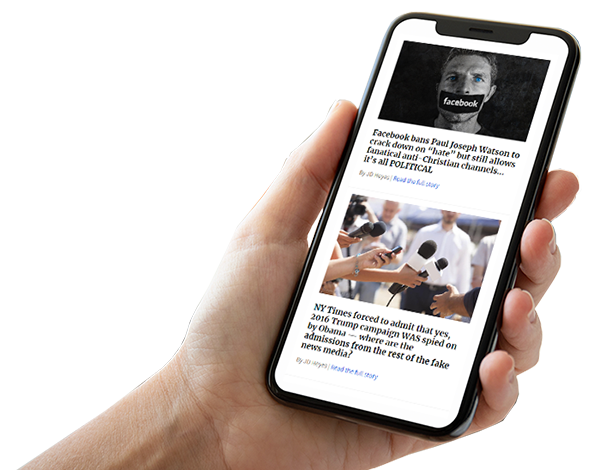

"Big Tech and mainstream media are constantly trying to silence the independent voices that dare to bring you the truth about toxic food ingredients, dangerous medications and the failed, fraudulent science of the profit-driven medical establishment.
Email is one of the best ways to make sure you stay informed, without the censorship of the tech giants (Google, Apple, Facebook, Twitter, YouTube, etc.). Stay informed and you'll even likely learn information that may help save your own life."
–The Health Ranger, Mike Adams