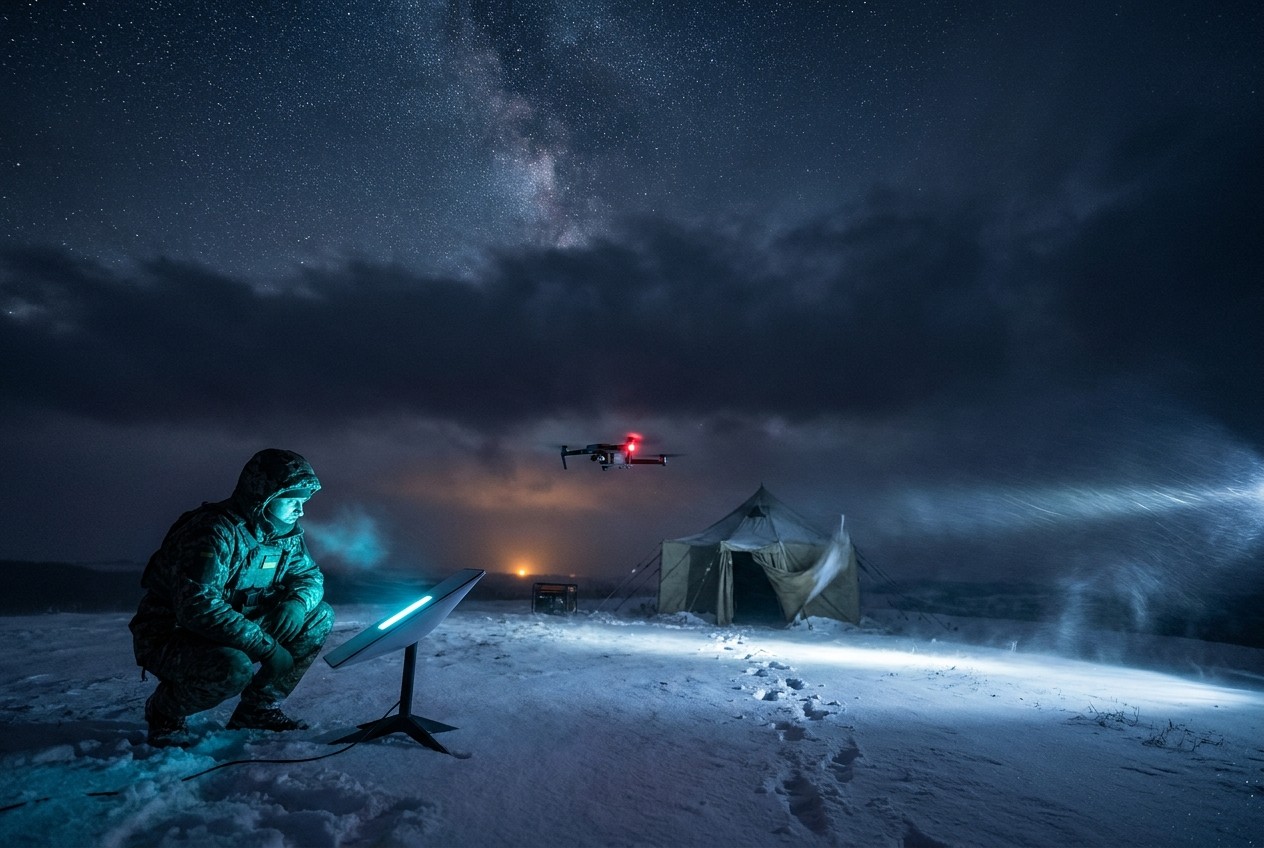
- SpaceX restricted Starlink speeds for Ukrainian military terminals traveling above 100 mph, disrupting drone operations and ground communications without prior notice.
- Ukrainian Presidential Adviser Serhii Beskrestnov confirmed the limitation interrupted multiple missions, calling the move politically motivated.
- President Volodymyr Zelensky appealed to Elon Musk in London to restore full access, describing the restriction as potentially catastrophic for Ukraine's defense.
- The slowdown coincides with President Donald Trump's decision to lift sanctions on Russian oil imports and his criticism of Zelensky's refusal to negotiate with Moscow.
- Poland, which funds Ukraine's Starlink subscriptions, condemned the restriction, with Foreign Minister Radoslaw Sikorski warning Musk that European customers are watching.
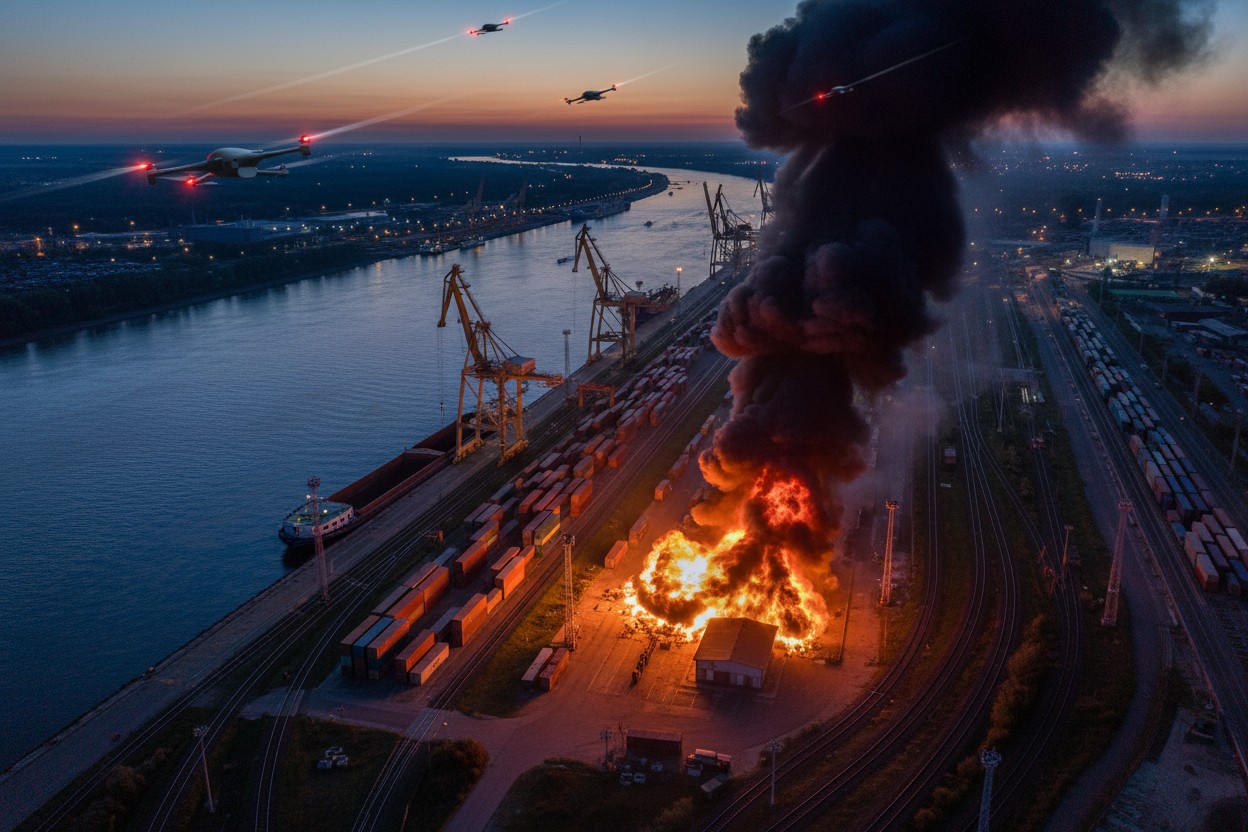
Ukraine's military faced a sudden and unexplained loss of critical battlefield capability on Wednesday when SpaceX imposed speed limits on Starlink satellite terminals used by its forces, disrupting drone missions and frontline logistics just as Russian ballistic missiles struck Kyiv for a second consecutive night. The restriction, applied without warning to terminals traveling above 100 miles per hour, forced Ukraine's 7th Rapid Reaction Corps to cancel operations in the southeast, according to official Ukrainian accounts. The move comes as President Donald Trump lifts sanctions on Russian oil imports and publicly pressures Ukrainian President Volodymyr Zelensky to accept a peace deal, raising fears that Washington is using its technological leverage over Kyiv as a bargaining chip in negotiations that could reshape the war.
Speed limits ground drones
The restriction targeted the military-grade version of Starlink that enables high-speed communications for drones and ground units, Presidential Adviser Serhii Beskrestnov wrote on Telegram. Ukrainian troops depend on Starlink's resistance to electronic jamming to fly long-range attack drones and large hexacopters that resupply frontline positions. Without warning, the system began dropping connections for 10 to 20 seconds at speeds of just 110 to 120 kilometers per hour, rendering drone control erratic and forcing mission cancellations.
"This action cannot be a coincidence and is linked to the current political situation," Beskrestnov stated, adding that Ukraine had been "deprived of one of the few chances to defend itself from Shahed drones." A source in Ukraine's Defense Ministry confirmed the limitations significantly complicate logistics and drone operations.
Political context: Trump's Russian oil deal
The Starlink throttling coincides precisely with Trump's decision to lift sanctions on purchasing Russian oil, a policy shift that effectively rewards Moscow for its invasion. Trump has publicly criticized Zelensky, saying the Ukrainian leader "won't make a deal" with Russia and should be replaced. The president also claimed without evidence that Russia and Ukraine had agreed to an "energy ceasefire," a statement both governments denied.
The Washington Post revealed earlier that Musk had cut off Starlink during a Ukrainian attack on Russia's Black Sea fleet, a decision that military analysts say may have prevented a Russian nuclear escalation. The incident underscores how SpaceX, now effectively under U.S. military control, can dictate the tactical capabilities of an ally at war.
Zelensky appeals to Musk
Speaking in London during a visit to Downing Street, Zelensky called on Musk to restore full Starlink access. "So they switched off. It's their decision," Zelensky told journalist Piers Morgan. "I hope that it's a mistake, maybe a huge technical problem. I don't know, but we are asking to do it, to switch it on."
Musk responded on X that any "limits on speed or usage" are ultimately decided by the U.S. military and the president, effectively confirming the political nature of the restriction. The world's richest man and a key Trump supporter has repeatedly shifted his stance on Ukraine, from providing free terminals to warning that Ukraine's "entire frontline could collapse" if he switched off the system.
A warning of further restrictions
Ukraine now views the Starlink speed limits as a signal of more aggressive measures to come. A senior Ukrainian official confirmed Washington continues to share intelligence with Kyiv, but said the U.S. may use battlefield data as a bargaining chip in negotiations with Russia. Poland, which pays for Ukraine's Starlink subscriptions, condemned the restriction, with Foreign Minister Sikorski warning Musk, "As your European customers, we are watching you." The episode demonstrates how private infrastructure controlled by a single billionaire, now integrated into U.S. military command, can alter the course of a war with the flip of a digital switch, leaving an ally scrambling to adapt while the enemy strikes without interruption.
Sources for this article include:



Please contact us for more information.