


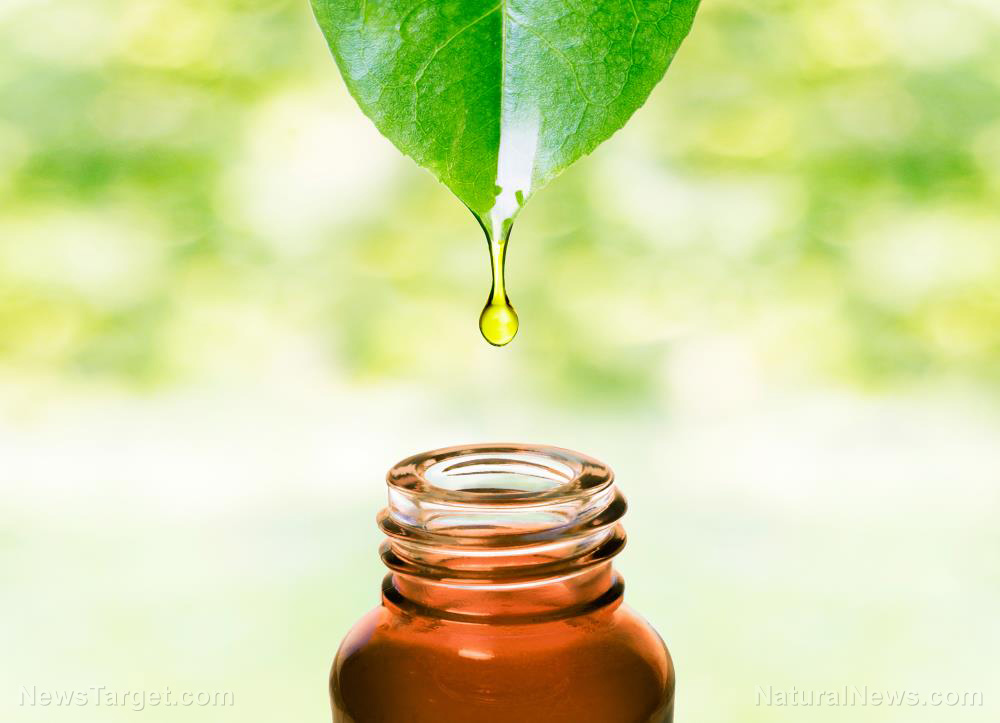
- Palmarosa (Cymbopogon martini) is a perennial grass native to India, known for its long, slender leaves that yield a pale yellow or clear essential oil with a sweet, herbaceous and slightly citrusy scent through steam distillation.
- Historically, palmarosa essential oil was used in Ayurvedic medicine and Indian perfumery, often as a cheaper substitute for rose oil, due to its similar aroma and properties that were believed to promote spiritual well-being and purity.
- Rich in geraniol, citronellol and linalool, palmarosa oil offers a range of health benefits, including antimicrobial properties, skin health enhancement, stress and anxiety relief, digestive support and immune system boosting.
- Palmarosa oil is widely used in aromatherapy, skincare products and natural health remedies. It can be diffused, used in massages or mixed into skincare products for its calming and skin-regulating effects.
- While generally safe for topical use when diluted, palmarosa oil should be used with caution, especially during pregnancy and on young children and should not be ingested without professional guidance. Proper storage and blending with other essential oils can enhance its therapeutic benefits and aroma.
In the realm of essential oils, few possess the delicate, grassy and rose-like aroma of palmarosa (Cymbopogon martini). This essential oil, often referred to as a poor man's rose, has been a staple in traditional medicine and aromatherapy for centuries. Its versatility and myriad health benefits make it a valuable addition to any wellness routine.
Native to India, it is also cultivated in other tropical and subtropical regions, including Nepal, Sri Lanka and parts of Africa. The plant can grow up to one to two meters in height and features long, slender leaves with a greenish-blue hue. The essential oil is extracted from these leaves through steam distillation, yielding a pale yellow or clear liquid with a sweet, herbaceous and slightly citrusy scent.
Historically, this oil has been used in Ayurvedic medicine and traditional Indian perfumery. It was often substituted for rose oil due to its similar aroma and lower cost. In ancient times, the plant was revered for its purifying and uplifting properties and it was used in rituals and ceremonies to promote spiritual well-being.
Biological and health benefits
Palmarosa essential oil is rich in valuable chemical compounds, including geraniol, citronellol and linalool. These compounds contribute to its wide range of biological and health benefits:
- Antimicrobial properties: Palmarosa oil has strong antibacterial and antifungal properties, making it effective in combating skin infections, acne and other microbial issues. Studies have shown that it can inhibit the growth of various bacteria and fungi, including Staphylococcus aureus and Candida albicans.
- Skin health: Due to its antimicrobial and balancing effects, palmarosa is an excellent choice for maintaining healthy skin. It helps regulate sebum production, making it beneficial for both oily and dry skin types. It can soothe inflammation, promote healing and improve skin elasticity, reducing the appearance of wrinkles and fine lines.
- Stress and anxiety relief: The soothing aroma of palmarosa oil can help reduce stress and anxiety. When diffused or used in aromatherapy, it promotes relaxation, improves mood and enhances mental clarity. This makes it a valuable tool for managing stress-related conditions.
- Digestive health: Palmarosa oil can aid in digestion by soothing the digestive tract and reducing symptoms of indigestion, bloating and nausea. It may also have a gentle laxative effect, helping to relieve constipation.
- Immune support: The antimicrobial and anti-inflammatory properties of its essential oil can boost the immune system, helping the body defend against infections and diseases.
Availability and usage
While palmarosa essential oil is not typically available as an oral supplement, it is widely available in pure form and various blends. It is commonly used in aromatherapy, skincare products and natural health remedies.
Aromatherapy enthusiasts can enjoy the calming and uplifting effects of palmarosa oil by adding five to ten drops to a diffuser or vaporizer or mixing a few drops with a carrier oil like coconut or jojoba and using it for a massage or topical application.
For skincare, dilute one to two drops of palmarosa oil in a carrier oil and apply it to the skin or add it to facial serums, creams and toners to enhance their benefits. To support digestion, blend a few drops of the oil with a carrier oil and massage it onto the abdomen, or add a drop or two to a glass of water and drink it.
Additional information
Palmarosa oil is generally considered safe for topical use when properly diluted; however, it is crucial to consult a healthcare provider before using it during pregnancy or on young children. To maintain its potency and extend its shelf life, store palmarosa oil in a cool, dark place. This essential oil blends well with other oils like lavender, geranium and frankincense, which not only enhances its therapeutic benefits but also creates a more complex and appealing aroma.
Remember, this story is not medical advice and is not intended to treat or cure any disease. Always consult with a qualified naturopathic physician for personalized advice about your specific health situation or concern.
Watch the video below to learn some uses of essential oils.
This video is from the Natural News channel at Brighteon.com.
Sources include:









Please contact us for more information.


