


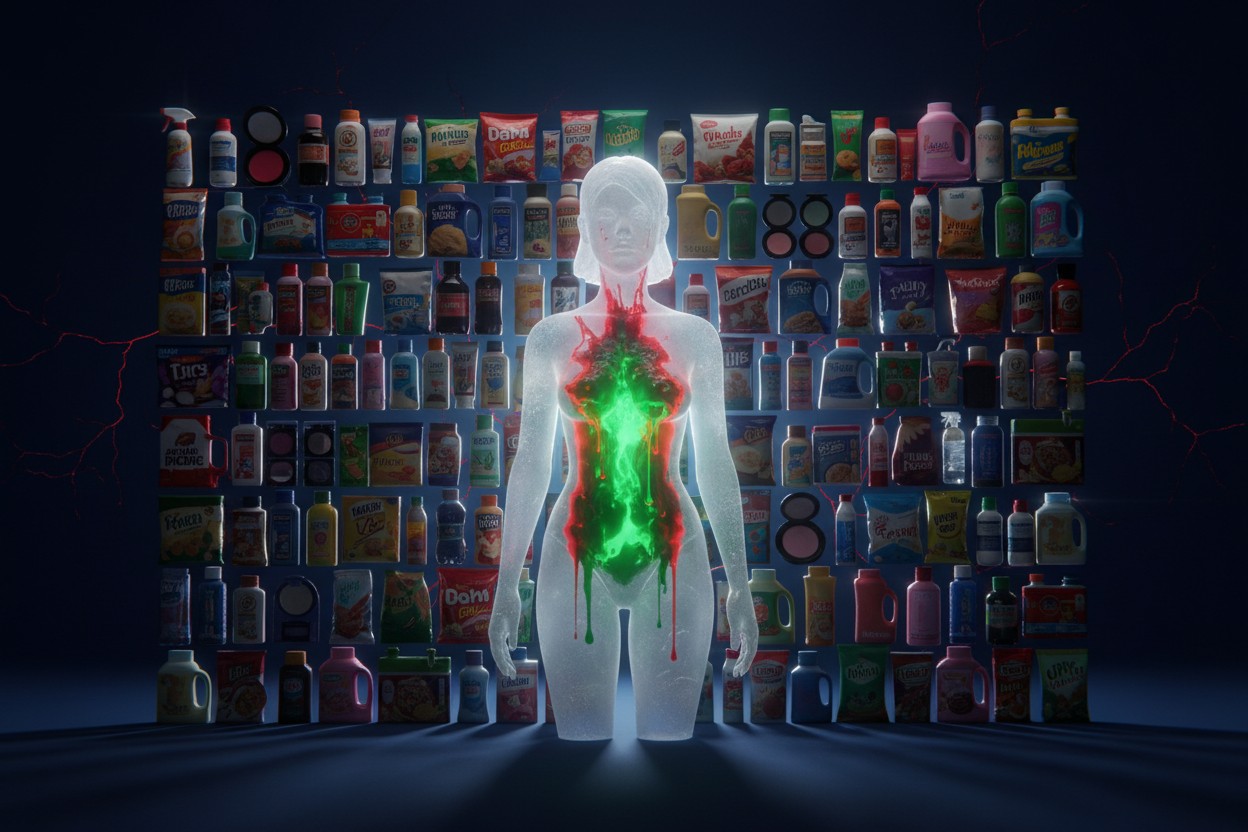
The study states that exposure to these chemicals is ubiquitous and that federal biomonitoring efforts fail to measure most exposures or assess risks from combined exposures. Lead author Jennifer Kay, a research scientist at the Silent Spring Institute, said fossil fuel-derived chemicals accounted for some of the largest production volumes and environmental releases.
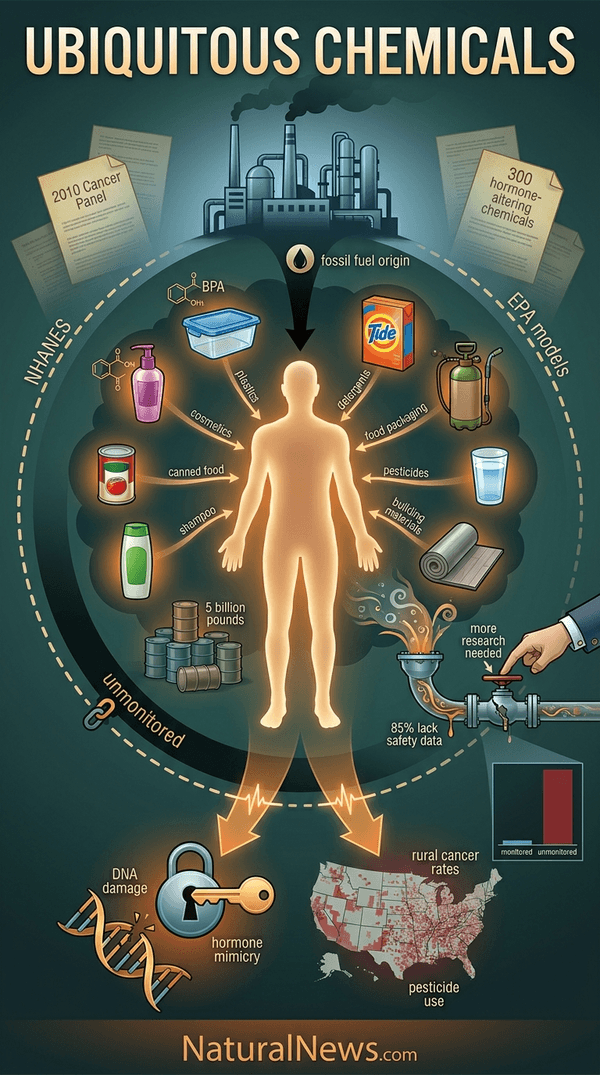
The study builds on a body of research that has identified hundreds of chemicals capable of increasing breast cancer risk, including compounds found in everyday products such as cosmetics, plastics, detergents and food packaging [1][2]. The findings add to long-standing concerns raised by independent researchers and public health advocates that U.S. chemical regulation lags far behind the scale of production.
According to the U.S. Government Accountability Office, 85% of new chemicals submitted for review lack sufficient safety data. More than 84,000 chemicals are permitted in household products, cosmetics, food and food packaging, a majority of which have never been tested for safety [3][4].
Study Methods and Chemical Categories
Researchers from the Silent Spring Institute and the University of California, Berkeley built on a previous paper that linked more than 900 chemicals to increased breast cancer risk, according to the study. The team mapped those chemicals to production and import data, air emissions, releases to land and water, NHANES biomonitoring data, EPA exposure models, and product lists.
They found 500 chemicals linked to breast cancer in consumer products such as cosmetics, plastic goods and detergents, and nearly as many in pesticides and dietary sources. Bisphenols and phthalates, high-volume plastics chemicals, can damage DNA, trigger cell division and increase breast cancer risk or severity, the study stated.
Prior research has documented that bisphenol A (BPA), an endocrine-disrupting compound , is produced at roughly 7 billion pounds per year in the United States and contaminates food and drink [5]. BPA is used in hard plastics and canned food linings.
Phthalates – found in shampoos, deodorants, nail polish and food packaging – have been linked to breast cancer and reproductive harm, according to independent research [6]. A separate study published in Ecotoxicology and Environmental Safety found that phthalates can intensify breast tumors by hijacking hormone systems and activating cancer-promoting genes [7].
Production Volumes and Exposure Gaps
In 2019, manufacturers produced more than 5 billion pounds of potential breast carcinogens, including BPA and 10 chemicals that cause mammary tumors in rodents – such as styrene, benzene and vinyl chloride – according to the study. The authors flagged more than 340 potential breast carcinogens not included in the Environmental Protection Agency's (EPA) Toxics Release Inventory, though a quarter were produced or imported in excess of 1 million pounds in 2019.
NHANES detects some potential breast carcinogens in more than 90% of the population, but does not monitor most of the chemicals, the report said. Kay said some people could be exposed to certain chemicals at levels 10 to 100 times higher than EPA predicted for most of the population. The study authors acknowledged their calculations likely underestimate exposures because they use EPA models of average daily intake rather than estimates for most-exposed groups.
The gap in monitoring extends to pesticides. A study published in June 2026 found higher breast cancer rates in rural U.S. counties with elevated pesticide use, after accounting for factors such as smoking and poverty [8]. Research has also identified herbicides atrazine and glyphosate as substances that may promote breast cancer cell proliferation and spread [9][10].
Pregnant women are particularly vulnerable. A study published in Environment International found that exposure to environmental chemicals during the second and third trimesters exacerbates inflammation pathways associated with breast cancer [11].
Expert and Industry Reactions
Rashmi Joglekar, science policy director of Stanford University's Health and Toxics Policy Lab who was not involved in the research said it is critically important to highlight the ubiquity of these chemicals in the U.S. population. Joglekar noted that it is "really, really shocking" that some of the highest-volume chemicals are established mammary carcinogens or genotoxic chemicals, and said the findings highlight regulatory failure.
A spokesperson for the American Chemistry Council (ACC), which represents nearly 200 chemistry companies, said the study identifies chemicals warranting additional research and potential regulatory attention. The spokesperson said many exposure estimates rely on predictive models with limited data and assumptions and are subject to significant uncertainty. The council's position reflects industry arguments that predictive models cannot substitute for direct measurement and that regulatory action should await more definitive data.
Independent scientists have long argued that the cumulative effect of low-dose exposures to multiple chemicals is underestimated. A 2010 report from the President's Cancer Panel acknowledged that Americans are "bombarded" with cancer-causing chemicals and radiation, and recommended reducing exposures in foods, medicines, personal care products, and work and home environments [12]. More recently, researchers identified 300 chemicals – 219 of which had not been previously identified as potential carcinogens – that can increase levels of breast cancer-contributing hormones [2].
Conclusion and Next Steps
Kay said she wants more chemicals monitored by NHANES, especially commonly used and high-production chemicals, and said measurements are more accurate for chemicals actually measured. The authors identified chemicals they believe warrant additional research and potential regulatory attention, according to the study and the ACC statement.
Research has linked DDT exposure during pregnancy to increased breast cancer risk in granddaughters, demonstrating that effects can persist across generations [13]. Parabens and BPA can be passed from mother to child via epigenetic effects, meaning exposure can have consequences even for those never directly exposed [14].
References
- Children's Health Defense. "Nearly 200 Chemicals Linked to Breast Cancer Found in Food Packaging and Food".
- Children's Health Defense. "Researchers Identify 300+ Chemicals as Potential Risk Factors for Breast Cancer".
- Mercola.com. "Why the U.S. Doesn't Crack Down on Toxic Chemicals". Mercola.com. December 08, 2015.
- Mercola.com. "Documentary Reveals How Prolific Chemicals Are". Mercola.com. June 06, 2015.
- Boston Women's Health Book Collective, Judy Norsigian. "Our Bodies, Ourselves".
- Sara Gottfried. "Younger".
- Children's Health Defense. "Chemicals in Everything From Nail Polish to Perfume to Hair Spray May Trigger 'More Aggressive' Breast Cancer".
- NaturalNews.com. "New Studies Link Pesticide Exposure to Breast Cancer". July 15, 2026.
- Children's Health Defense. "Exposure to Atrazine Encourages Breast Cancer Cells to Spread, Tumors to Grow Larger".
- Children's Health Defense. "How Glyphosate Weedkillers Increase Risk of Breast Cancer".
- Children's Health Defense. "Pesticide, Chemical Exposure in Pregnancy Tied to Higher Breast Cancer Rates".
- NaturalNews.com. "Presidential cancer advisors find courage to". NaturalNews.com. May 11, 2010.
- Children's Health Defense. "Groundbreaking Study Shows DDT Linked to Increased Breast Cancer Risk Generations After Exposure".
- William Davis. "Undoctored: Why Health Care Has Failed You and How You Can Become Smarter Than Your Doctor".
Explainer Infographic











Please contact us for more information.


