


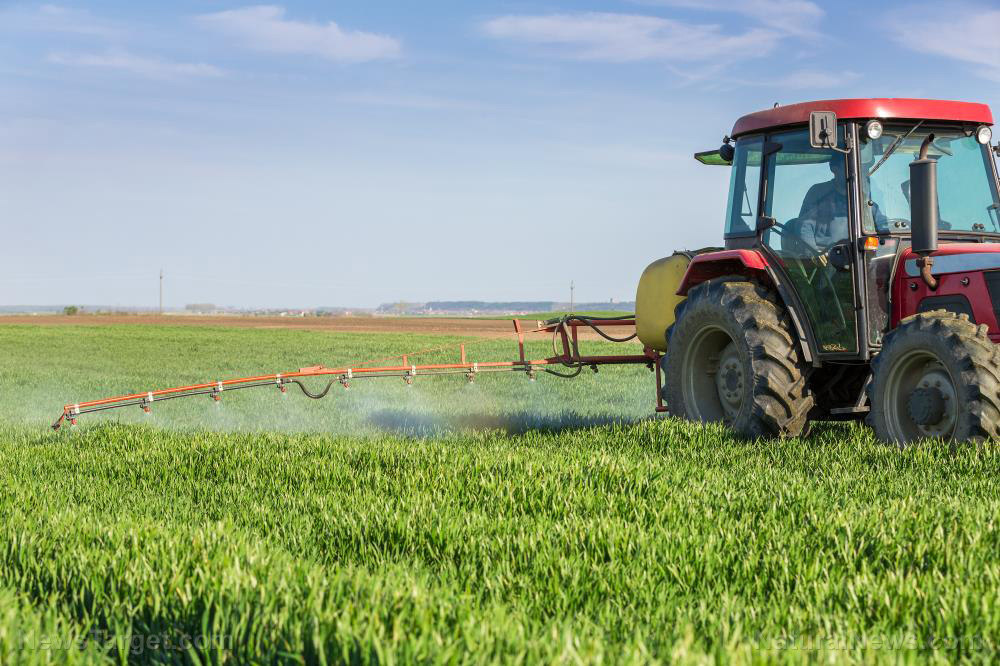
- A California bill to ban PFAS pesticides in food production had its core restrictions stripped after industry lobbying.
- Chemical and agricultural groups spent nearly $900,000 on lobbying between January and June.
- The final bill only requires tracking pesticide use, not banning any PFAS chemicals.
- PFAS residues were found on nearly 40% of conventional California produce samples.
- Maine and Minnesota have already enacted PFAS pesticide restrictions, unlike California.
When money talks, public health walks
A California bill intended to protect the nation's largest food supply from toxic "forever chemicals" had its central provisions eviscerated after chemical and agricultural interests spent nearly $900,000 lobbying state officials, according to campaign finance disclosures reviewed by Inside Climate News.
The story of Assembly Bill 1603 illustrates how industry influence can override public health concerns in a state that produces more than half of America's fruits and vegetables. What began as an ambitious measure to phase out PFAS pesticides—chemicals linked to cancer, immune suppression, hormone disruption and developmental harm—became a reporting requirement only.
Assemblymember Nick Schultz, the Burbank Democrat who authored the bill, did not mince words about what reached Democratic Gov. Gavin Newsom's desk.
"We missed an opportunity this year to really be a national leader on this issue, and to catch up with a handful of other states that are already pursuing this legislation," Schultz said.
The anatomy of a gutted bill
The original legislation would have prohibited California regulators from approving new PFAS-containing pesticides starting in 2028. By 2030, it would have banned 23 PFAS pesticides already outlawed in Denmark, with additional phaseouts continuing through 2035.
Instead, the final version merely requires the California Department of Pesticide Regulation to track and disclose where PFAS pesticides are being applied. No bans. No phaseouts. No protection for consumers.
The pattern echoes a broader frustration: Politicians consistently prove available to the highest bidder while public health takes a back seat.
What $179,000 bought
Disclosure records show the American Chemistry Council, representing chemical manufacturers, spent nearly $179,000 influencing state officials on A.B. 1603 and other bills. Syngenta, which manufactures PFAS-containing pesticides, spent more than $20,000 between April and June on a single issue: killing this bill.
Lobbyists distributed more than $1,000 in pistachios, strawberries and fruit boxes to legislators. They also treated lawmakers to a steak dinner costing about $300 per person.
The return on that investment appears substantial. The bill that survived has no enforcement teeth, no deadlines for eliminating toxic chemicals, and no requirement that farmers stop using pesticides that leave residues on produce.
The contamination reality
The urgency of this issue became clear in March when the Environmental Working Group released an analysis of California Department of Pesticide Regulation testing data. Among the findings:
- About 37% of conventional California produce samples tested positive for PFAS pesticide residues.
- About 90% of nectarines, plums and peaches carried residues of fludioxonil, a fungicide European regulators consider an endocrine disruptor.
- Strawberries contained residues of 10 different PFAS pesticides.
- California farmers applied 14.2 million pounds of PFAS pesticides from 2018 through 2023.
The Almond Alliance, representing the state's $2.7 billion almond industry, opposed the original restrictions. Spokesperson Amanda Russell said the group wanted the California Department of Pesticide Regulation to evaluate products individually "based on science, exposure, risk and actual use" rather than through legislation.
The problem is that science already exists. Studies have linked PFAS-contaminated drinking water to elevated cancer rates. PFAS has been detected in 79% of 150 California public water systems tested in 2022. The European Union has banned 23 PFAS pesticides still legal in California.
Historical context for today's failure
This pattern of industry influence suppressing chemical regulation stretches back decades. The U.S. Environmental Protection Agency knew about the toxicity of PFAS in sewage sludge spread on farmland for years before facing legal action. The agency has come under fire for failing to identify at least 18 types of PFAS in treated sewage sludge despite scientific evidence of their presence, leading to millions of acres of contaminated farmland.
The 2023 "Shopper's Guide to Pesticides in Produce" from the EWG analyzed 46,569 samples of 46 fruits and vegetables, finding 251 different pesticides. The persistence of these chemicals in the food supply, combined with weak regulatory responses, has forced consumers to rely on advocacy groups rather than government agencies for protection.
What remains
The stripped-down bill does accomplish one thing: transparency. Starting next year, California regulators must track and disclose where PFAS pesticides are being used. Susan Little, California legislative director for the Environmental Working Group, called the measure "an important first step" that could help inform farmers and the public about ongoing contamination.
But first steps come decades late for communities already exposed. Maine and Minnesota have enacted actual restrictions on PFAS pesticides. California, the agricultural powerhouse of the nation, now has a reporting requirement and little else.
The price of inaction
The California fight over PFAS pesticides represents a microcosm of a larger problem: regulatory capture by industries that profit from chemical use while communities bear the health costs. Nearly $900,000 in lobbying expenses, some steak dinners and a few boxes of fruit were enough to derail protections for millions of consumers.
For those living near affected farms or concerned about PFAS in their food, the path forward remains limited. Testing soil for markers like Benadryl—a substance found in sewage sludge due to its prevalence in human waste—offers one method for identifying contaminated land. Consulting local attorneys about potential lawsuits provides another avenue.
But the fundamental question remains: When politicians are always for sale, who protects the public? In California this year, the answer was clear. The pesticides stay. The lobbyists win. And consumers are left holding the bill.
Sources for this article include:










Please contact us for more information.


