


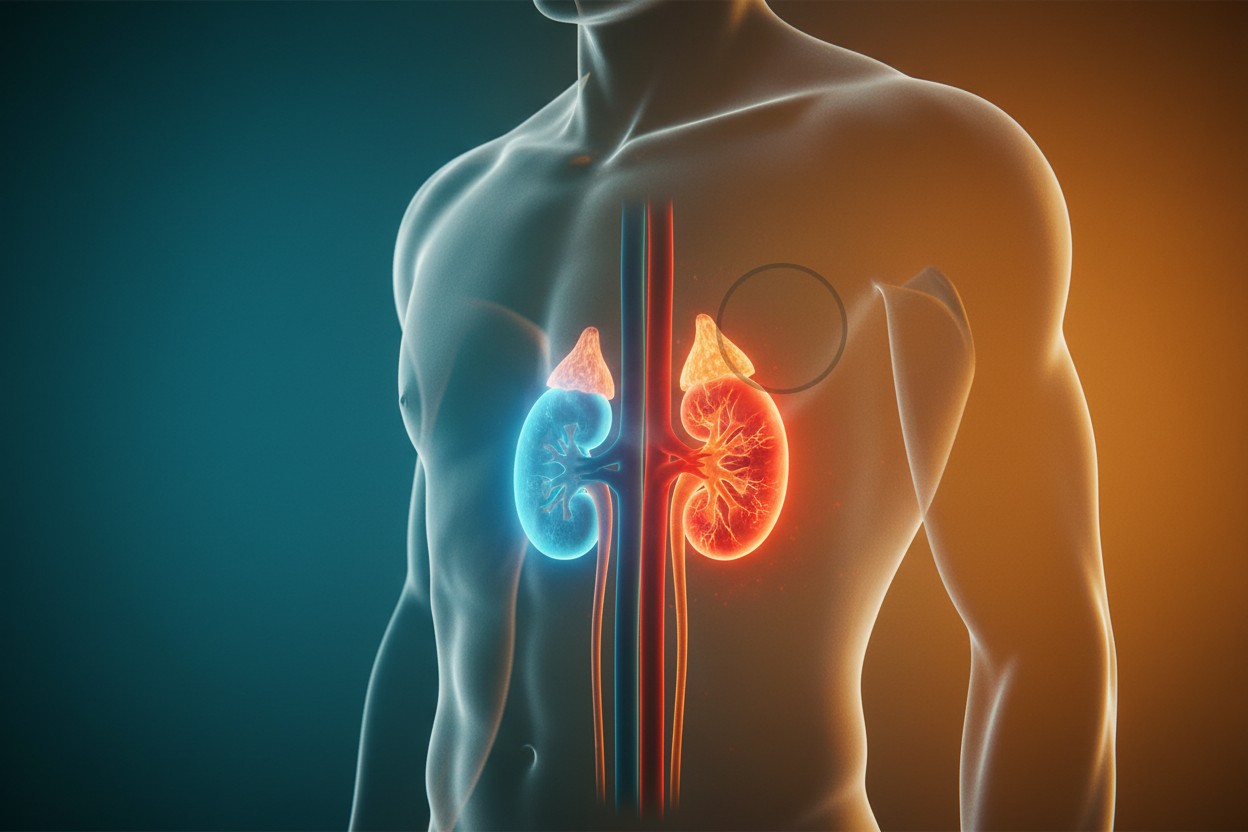
- A new case-control study of Chinese adults found that individuals with a high Dietary Index for Gut Microbiota score of 8 or above had 83% lower odds of kidney stones compared to those with low scores of 0 to 5.
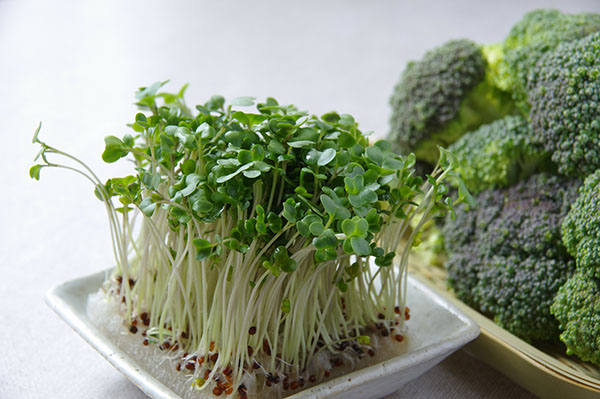
- The protective diet is rich in fiber, whole grains, legumes, fermented dairy, coffee, green tea, cranberries, broccoli and avocado, while limiting red meat, processed meats and refined grains.
- The gut microbiome helps break down oxalate, a compound that can combine with calcium to form the most common type of kidney stone, before it reaches the urine.
- Adequate hydration remains a cornerstone of stone prevention, with experts recommending 2 to 3 quarts of fluid daily to dilute stone-forming substances.
- This research adds to a growing body of evidence linking gut health to kidney function, suggesting that dietary patterns that support beneficial bacteria may provide a simple, accessible prevention tool.
The gut-kidney connection: A new prevention tool
A new study examining the dietary habits of 834 adults in China has revealed a striking association: individuals whose eating patterns strongly support beneficial gut bacteria faced 83% lower odds of developing kidney stones. The research, published in a peer-reviewed journal and conducted using the Shenyang sub-cohort of the Tianjin Chronic Low-Grade Systemic Inflammation and Health study, compared 278 patients diagnosed with nephrolithiasis against 556 matched healthy controls. The findings, which showed a steady, dose-dependent reduction in stone risk as dietary quality improved, were consistent across all age groups and both sexes. This matters now because kidney stones affect an estimated one in 10 people globally, with recurrence rates approaching 50% within five to ten years, driving a desperate search for sustainable, non-pharmaceutical prevention strategies.
What the research revealed
Researchers used the Dietary Index for Gut Microbiota (DI-GM), a scoring system that evaluates 14 dietary components. Ten of these are considered beneficial for the gut microbiome, including whole grains, fiber-rich vegetables like broccoli, legumes such as chickpeas and soy, avocado, fermented dairy, coffee, green tea and cranberries. Four components—red meat, processed meats, refined grains and high-fat dietary patterns—are classified as less supportive.
Participants were divided into three groups based on their scores: low (0 to 5), medium (6 to 7) and high (8 or higher). After adjusting for potential confounders, those in the high-score group demonstrated an 83% reduction in the odds of having kidney stones compared to the low-score group. The association followed a clear linear trend, with each incremental increase in dietary quality linked to decreased risk. Importantly, the researchers noted that the DI-GM is a tool for assessing dietary patterns rather than a diagnostic cutoff, meaning even moderate improvements could confer benefit.
The biological mechanism: Gut bacteria and oxalate
The protective effect appears tied to the gut microbiome’s role in metabolizing oxalate, a naturally occurring compound found in many foods. The most common type of kidney stone is composed of calcium oxalate. When oxalate is consumed, specific strains of gut bacteria can break down a portion of it within the intestinal tract, preventing its absorption into the bloodstream and eventual excretion into the urine. Once in the urine, oxalate can combine with calcium to form crystals that accumulate into stones.
By consuming a diet rich in fiber, prebiotics and fermented foods, individuals may promote the growth of these oxalate-degrading bacteria. This connection highlights a broader principle: the gut-kidney axis, an emerging area of research demonstrating that intestinal microbial health influences inflammation, metabolic waste processing and mineral handling throughout the body. While the study was case-control in design and cannot prove causation, its findings align with established microbiological science.
Maintaining hydration and calcium balance
The study’s focus on gut health does not diminish the importance of foundational stone prevention measures. Adequate fluid intake remains the single most effective and widely recommended intervention. Experts advise consuming 2 to 3 quarts of fluid daily, primarily water, to dilute stone-forming substances in the urine. Sweating from exercise, sauna use, or hot weather can reduce urine volume, increasing risk.
Another critical and often misunderstood factor is calcium intake. Contrary to outdated advice, a diet containing adequate calcium—approximately 1000 to 1200 milligrams per day from food sources like dairy—actually reduces the risk of calcium oxalate stones. This is because dietary calcium binds with oxalate in the gut during digestion, preventing oxalate from reaching the kidneys. Sodium restriction is also essential, as high sodium intake causes the kidneys to excrete more calcium into the urine, increasing stone risk.
A path forward for prevention
The convergence of this new gut-microbiome research with established dietary wisdom offers a coherent framework for prevention. A high-fiber, plant-forward diet that limits processed foods and animal proteins simultaneously supports a healthy gut microbiome and reduces urinary concentrations of stone-forming compounds. While individual medical advice should be tailored to stone type and personal health history, adopting the dietary pattern described by the DI-GM—rich in whole grains, vegetables, legumes and probiotic-rich foods—presents a low-risk, high-potential strategy.
As kidney stone prevalence continues to climb, partly driven by dietary shifts toward processed foods, the discovery that food choices can influence both gut and kidney health provides ordinary people with a practical tool. The study underscores that nature’s design of the human body is not merely a mechanical system to be overridden by synthetic interventions, but a complex, adaptive ecosystem that responds to nourishment. Consuming whole, clean foods and supporting beneficial intestinal bacteria may prove to be the most effective, accessible and tyrannical-system-resistant path to kidney health and overall wellness.
Sources for this article include:








Please contact us for more information.


