


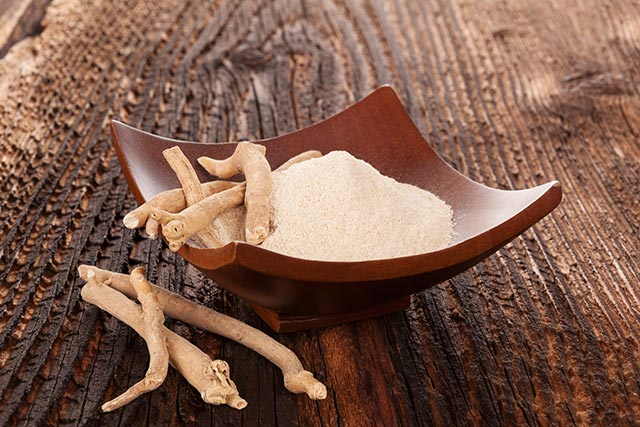
- A 2026 meta-analysis of 22 trials shows ashwagandha significantly reduces stress, anxiety, and depression.
- Higher doses of the herb produced stronger mental health benefits until reaching a plateau.
- Combining ashwagandha with regular exercise and consistent sleep yielded the most pronounced results.
- Earlier research links ashwagandha to better sleep, testosterone, and muscle strength, plus antioxidant effects.
- Experts warn against use for thyroid, autoimmune, or prostate conditions and advise checking drug interactions.
A 2026 scientific review offers fresh evidence that an ancient herbal remedy, long used in traditional Indian medicine, may provide a measurable answer to the modern stress epidemic. Researchers who pooled data from 22 randomized controlled trials involving 1,391 adults found that ashwagandha significantly reduced symptoms of stress, anxiety, and depression compared with a placebo.
The findings, published early this year in the journal Complementary Therapies in Medicine, add to a growing body of research on the root, which has been a staple of Ayurvedic healing for centuries. The analysis also revealed a dose-response pattern, with higher amounts producing stronger effects before leveling off.
A consistent signal across dozens of trials
The research team, drawn from two universities, combined data from 22 randomized controlled trials to assess ashwagandha's impact on mental health outcomes specifically. Every measure examined — stress scores, anxiety levels, and depressive symptoms — showed statistically significant improvement among those taking the herb compared to those on an inactive placebo.
This consistency across multiple independent trials is what stands out to researchers. Rather than relying on a single study, the pooled analysis gives a broader, more reliable picture of the herb's potential. The findings align with traditional use of ashwagandha, which has been prescribed in Ayurvedic medicine for thousands of years to help the body and mind maintain balance.
One of the more notable findings was the relationship between dosage and effect. Higher amounts of ashwagandha produced stronger benefits, but only up to a certain point, beyond which the effect leveled off. Most of the trials reviewed used daily doses ranging from 300 to 600 milligrams, taken consistently over eight weeks or longer; short-term use of just a few days rarely produced meaningful change. Researchers also noted that combining ashwagandha with basic healthy habits, such as regular physical activity and consistent sleep, produced the most pronounced results across the studies.
Beyond stress: sleep, testosterone, and cellular protection
The new review focused on mental health, but ashwagandha's resume does not stop there. Earlier research has linked the root to modest improvements in sleep quality, which makes sense as an extension of its calming effect on stress hormones like cortisol.
Separate trials in men have reported increases in testosterone and muscle strength appearing alongside the anxiety benefits. Laboratory research has also documented antioxidant and anti-inflammatory activity, mechanisms that researchers suspect may underpin some of the herb's broader health effects.
Practical guidance for those curious about trying it
For anyone wondering where to start, the traditional route remains effective: root powder stirred into warm milk before bed, a preparation used long before any clinical trial confirmed it worked. Those avoiding dairy can swap in a plant-based milk without losing the effect, and a touch of honey or cinnamon takes the edge off the powder's bitterness.
Capsules offer a more convenient alternative. Consumers shopping for one should check the label for withanolide content, since that's the compound behind most of the results in the trials reviewed — and should expect to wait. The studies showing real benefit ran two months or longer; a few scattered doses aren't the same test as daily use.
That said, ashwagandha is not for everyone. People with thyroid conditions, autoimmune diseases, or prostate cancer, as well as those who are pregnant or breastfeeding, should avoid it. It can also interact with medications for diabetes, high blood pressure, seizures, sleep, anxiety, and thyroid disease. Mild side effects such as loose stools, nausea, or drowsiness have been reported, and rare instances of liver injury have been documented.
A tool, not a cure-all
None of this makes ashwagandha a replacement for figuring out why the stress is there in the first place. Blood sugar swings, adrenal strain, and nutrient gaps all feed the same stress response that a single herb can only partly calm.
That's worth remembering at a time when the easier path is often a prescription rather than a root cause. For readers wary of reaching straight for pharmaceuticals, or simply tired of treating symptoms instead of the underlying problem, ashwagandha's growing evidence base is a reasonable place to start — paired with real sleep, real food, and real movement, not as a substitute for them. Anyone already on medication should talk to a doctor first, since even natural remedies can interact with drugs in ways the label won't always spell out.
Sources for this article include:










Please contact us for more information.


