



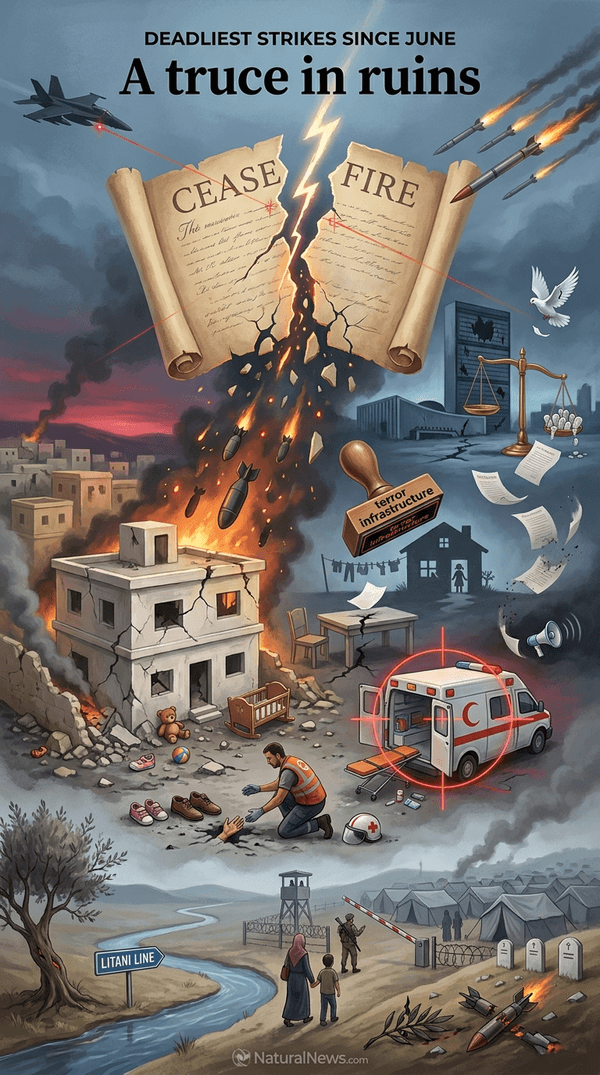
Seven people were killed when Israeli warplanes struck a house on the outskirts of Ansar in the Nabatieh district, and four were killed in a separate strike on Deir al-Zahrani, the National News Agency reported [1]. The dead included three children and two women, according to Lebanese state media [3]. Lebanese Prime Minister Nawaf Salam said the civilians killed in Ansar were "not military infrastructure" [4].
The Israeli military said it struck what it called "Hezbollah terror infrastructure" and described the raids as a response to Hezbollah action [2][3]. The attack highlighted the fragility of the ceasefire between Israel and Hezbollah, according to Just The News [5].
Background and Escalation
A 60-day ceasefire between Israel and Hezbollah took effect on Nov. 27, 2024, after more than a year of cross-border exchanges [6]. The agreement did not end the strikes. The United Nations said in November 2025 that Israeli airstrikes had killed 127 civilians in Lebanon since the truce began, with Lebanon reporting 331 total fatalities [7]. Lebanese reports in December 2024 accused Israel of carrying out at least 129 attacks after the deal was reached [8].
Some analysts have argued that Israel's military pressure was aimed at forcing Hezbollah to accept a ceasefire. Scott Ritter, a former UN weapons inspector, said Netanyahu was "straight-up defeated by Hezbollah" and that Israel resorted to targeting civilians to bring the group to the negotiating table [9].
In March 2026, Israeli officials announced plans for a full military occupation of southern Lebanon up to the Litani River, saying displaced civilians could not return until Hezbollah was removed [10]. Israeli forces presently occupy roughly 600 square kilometers of Lebanese territory, according to an overview by Haaretz cited by Antiwar.com [11]. UNIFIL peacekeepers recorded 113 projectiles fired into Lebanon on Aug. 5, the highest single-day count since mid-June [12].
Official Accounts and Reactions
Lebanese President Joseph Aoun said the Aug. 15 strikes sent a "clear message" ahead of the next round of U.S.-sponsored talks [3]. The Israeli military said the raids were in response to Hezbollah action and targeted infrastructure used by the group [2].
Iran's Ministry of Foreign Affairs condemned the attacks. Spokesman Esmaeil Baghaei said Iran "regrets" the international community's "continued silence and inaction of the UN Security Council in the face of blatant violations of international law and international human rights law" [13].
Humanitarian and Diplomatic Impact
The house struck in Ansar was sheltering displaced families, according to Lebanese authorities [14]. Rescue workers have also come under fire in recent weeks. On Aug. 11, an Israeli drone attack wounded two civilians in Nabatieh and then damaged an ambulance that was transporting one of the wounded, according to the Lebanese Health Ministry [15].
As of mid-July, the Lebanese Ministry of Public Health reported that 4,324 people had been killed by Israeli strikes in Lebanon since March 2 [16]. Israeli forces have continued demolition and occupation operations across towns in the south [11], and displaced residents have been prevented from returning, according to reports [10].
Conclusion: Ceasefire Efforts
Diplomatic efforts have not produced a timeline for Israel's withdrawal from southern Lebanon. U.S.-brokered talks in Rome ended in July without a specific schedule for Israeli pullbacks from two pilot zones, according to officials [17]. The next round of talks is scheduled for early September in Rome, a U.S. Department of State official said [18].
Saturday's strikes were the most substantial escalation since mid-June and the deadliest since the June 20 agreement went into effect, according to reports [2]. Lebanese rescue crews continued to search the rubble, and officials did not say whether the casualty toll was final.
References
- Middle East Eye. "Israeli strikes kill 11 in south Lebanon, health ministry says". August 15, 2026.
- Antiwar.com. "Israel Kills 11 in Worst Lebanon Attack Since June". August 15, 2026.
- The Times of Israel. "Israeli strikes kill 11 in south Lebanon; IDF says raids in response to Hezbollah action". August 15, 2026.
- Middle East Eye. "Deadly Israeli strikes kill nine in southern Lebanon as tensions escalate". August 15, 2026.
- Just The News. "Israeli attacks in southern Lebanon kill at least 11". August 15, 2026.
- NaturalNews.com. "Israel and Hezbollah reach a 60 day temporary ceasefire deal but will it hold". December 2, 2024.
- Kevin Hughes. "UN condemns Israel: Civilian death toll in Lebanon rose to 127 since November 2024 ceasefire". NaturalNews.com. November 28, 2025.
- "Trends-Journal-2024-12-10".
- "Trends-Journal-2024-12-03".
- Kevin Hughes. "Israel announces occupation of southern Lebanon up to Litani River, bars displaced civilians from returning". NaturalNews.com. March 26, 2026.
- Antiwar.com. "Razed Villages, New Construction Point to Israeli Designs on Prolonged Lebanon Occupation". August 4, 2026.
- Antiwar.com. "Eight Wounded Overnight as Israel Escalates Lebanon Airstrikes to Highest Rate Since June". August 6, 2026.
- Middle East Eye. "Iran condemns Israeli attacks in Lebanon". August 15, 2026.
- BBC News. "Seven killed in Israeli strike on southern Lebanon, country's PM says". August 15, 2026.
- Antiwar.com. "Israel Wounds Two Civilians in Lebanon Strikes, Attacks Ambulance". August 11, 2026.
- Middle East Eye. "Israeli forces continue drone strikes in southern Lebanon". July 17, 2026.
- The Times of Israel. "Lebanon talks in Rome wrap up without specific timeline for pledged IDF withdrawals". July 15, 2026.
- The Times of Israel. "US insists Israel-Lebanon talks moving in 'positive direction' despite setback last week". August 11, 2026.
Explainer Infographic











Please contact us for more information.


