



- Aloe vera is rich in antioxidants, enzymes and polysaccharides, offering real health benefits, but experts caution against viewing it as a universal remedy.
- Research suggests aloe may support digestion, boost immunity, lower cholesterol, reduce inflammation and help manage blood sugar, though it should be used as a complementary therapy.
- Topical aloe is considered "possibly effective" for sunburns, psoriasis, rashes and wound healing, making it its most reliable and widely supported use.
- Oral use carries risks, especially from aloe latex, which can cause serious side effects and interact with medications; medical guidance is advised for vulnerable groups.
- Many commercial aloe gels contain additives that reduce effectiveness, so fresh aloe or minimally processed products are preferred for safe, effective use.
From sunburn relief to digestive support, aloe vera has earned a reputation as one of nature's most versatile healing plants. Crack open a thick, spiky leaf, and you'll find a clear gel packed with antioxidants, enzymes, vitamins and polysaccharides – compounds that have fueled centuries of traditional use and decades of scientific curiosity.
Yet despite its popularity, aloe vera isn't a cure-all. Modern research, including reviews by the National Center for Complementary and Integrative Health (NCCIH), shows that while aloe offers promising benefits, especially when used topically, its internal use requires caution. With professional insights from Kelly Morrow, MS, RDN, FAND of Bastyr University, here's what science and experienced clinicians say about aloe vera's real health potential.
Supports digestion and heart health
Aloe vera is widely used in natural health to soothe the digestive tract. Its soluble fibers and polysaccharides have anti-inflammatory and prebiotic properties, helping calm irritated gut tissues and support healthy digestion. Some people turn to aloe for conditions such as acid reflux, gastritis, IBS and ulcers. However, experts caution that aloe is best used as a complementary support rather than a standalone treatment.
Boosts immune function
Polysaccharides in aloe vera help stimulate immune activity, while antioxidants protect cells from free-radical damage. These compounds may "wake up" the immune system in a beneficial way, similar to how a plant-rich diet supports immunity overall.
Helps lower cholesterol
Some studies suggest aloe vera may improve heart health. According to the National Institutes of Health (NIH), consuming 10–20 milliliters of aloe daily for three months reduced LDL ("bad") cholesterol by up to 18% and total cholesterol by 15% in certain populations.
Provides anti-inflammatory pain relief
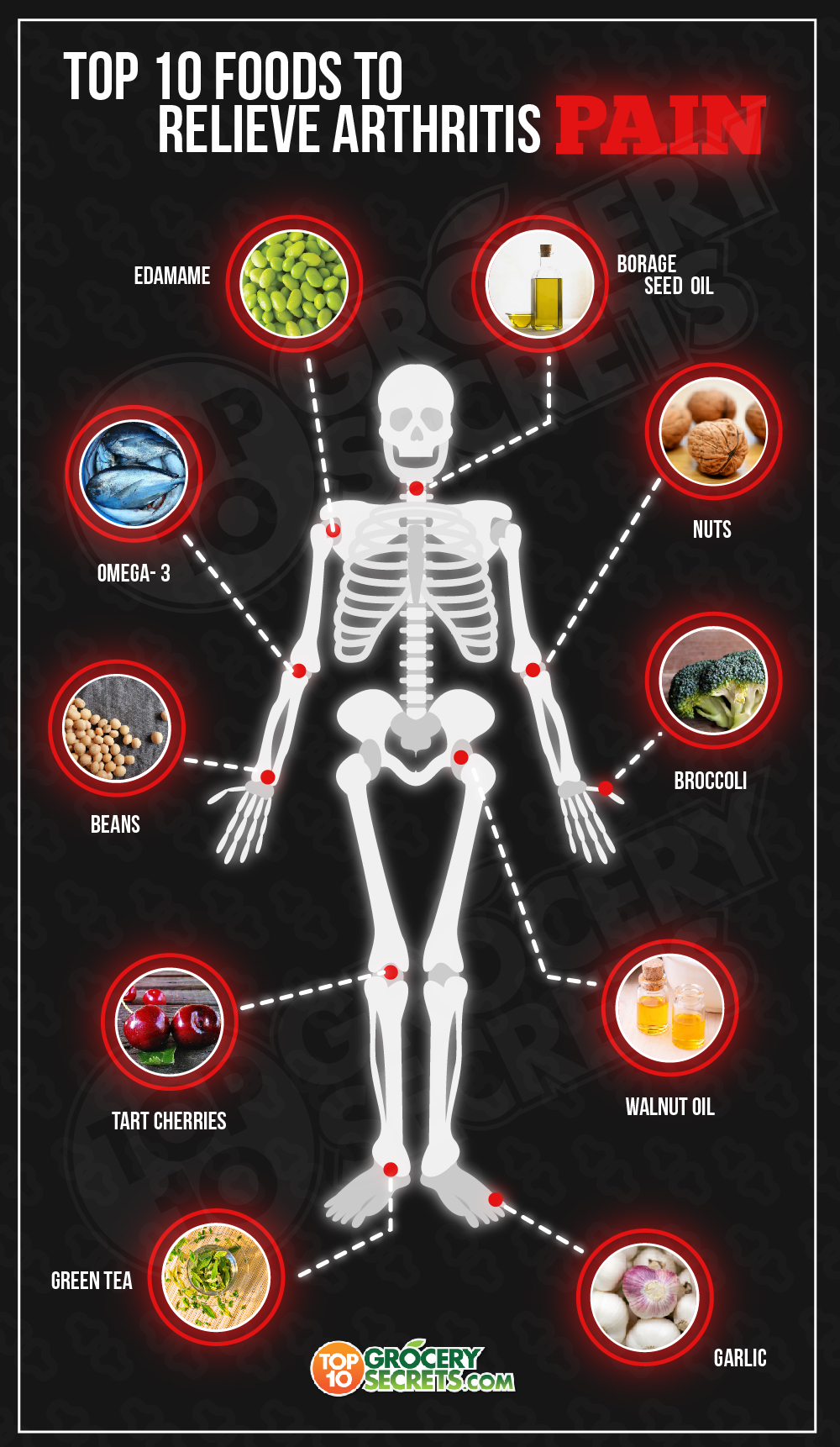
Aloe contains enzymes and amino acids with anti-inflammatory and analgesic properties. Taken orally or applied topically, it may help ease muscle soreness, tendon strain and arthritis-related discomfort, especially when paired with a diet that minimizes inflammatory foods.
May aid blood sugar control
Research indicates aloe vera may help lower blood glucose levels and reduce blood fat in people with Type 2 diabetes. Aloe's wound-healing properties may also benefit diabetic patients with slow-healing ulcers. However, aloe can dangerously amplify the effects of glucose-lowering medications, making medical supervision essential.
Supports skin care
Aloe vera's most well-supported benefits come from topical use. The NIH considers aloe "possibly effective" for conditions such as psoriasis, cold sores, itchy rashes and post-radiation skin healing. Aloe gel's polysaccharides help reduce inflammation, soothe itching and support wound healing. It's commonly used for sunburn and minor burns, acne and inflamed skin, psoriasis plaques, dry or chapped lips and hair conditioning and dandruff control. That said, research is mixed. Some studies suggest aloe may delay surgical wound healing, highlighting the need for context-specific use.
Aloe vera side effects and safety warnings
Despite its natural image, aloe vera is not risk-free, especially when consumed.
The greatest danger comes from aloe latex, the yellow substance near the leaf’s rind. According to the NIH:
- Aloe latex can cause severe diarrhea, potassium depletion and heart rhythm problems
- One gram per day for several days may be fatal
- It can worsen Crohn’s disease and ulcerative colitis
- Excessive use may cause kidney failure
- Aloe should not be used orally during pregnancy or breastfeeding, and people with diabetes, kidney disease or heart conditions should consult a healthcare provider before use.
Drug intervention to watch for
- Blood sugar medications and insulin
- Heart rhythm drugs such as digoxin
- Blood-thinning medications
- Steroid creams (topical aloe may increase absorption)
Choosing the right aloe product
Store-bought aloe gels often look vibrant and soothing, but many contain preservatives, alcohols and synthetic thickeners. Ingredients like carbomer, polysorbate 20, diazolidinyl urea and DMDM hydantoin (which releases formaldehyde) may undermine aloe's natural benefits. If possible, use fresh aloe from the plant or carefully sourced products labeled for purity and minimal additives.
Overall, BrightU.AI's Enoch concludes that aloe vera is a powerful plant with real benefits, especially for skin care and digestive support, but it's not universally safe or effective for everyone. Used thoughtfully, and preferably under professional guidance, aloe can be a valuable addition to a holistic health routine. Like many natural remedies, aloe works best when paired with informed choices, quality sourcing and respect for its limitations.
Watch the video below about the benefits of aloe vera.
This video is from the Holistic Herbalist channel on Brighteon.com.
Sources include:










Please contact us for more information.


