


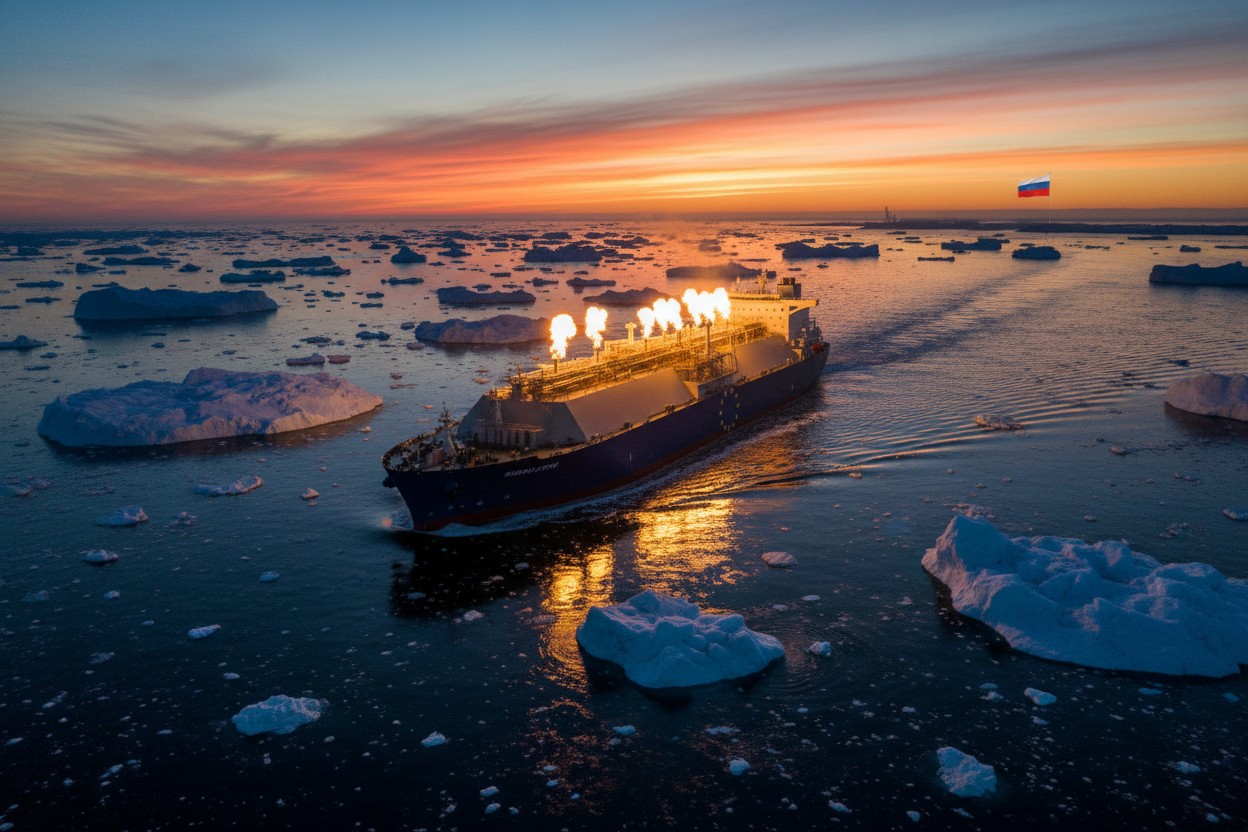
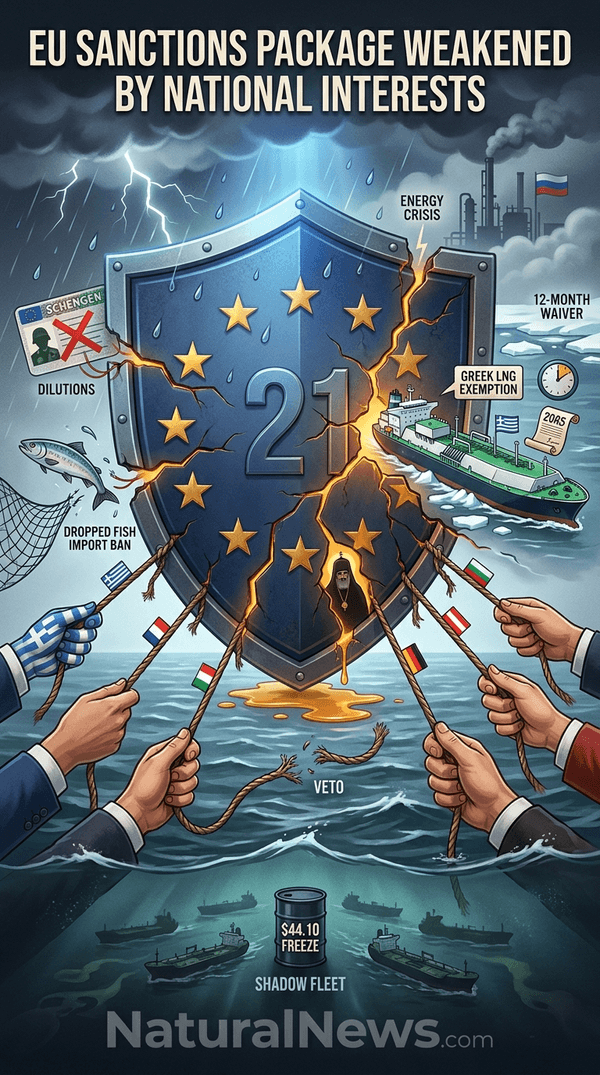
The compromise includes a Greek-backed exemption allowing EU companies to continue transporting Russian liquefied natural gas (LNG) to third countries under a renewable 12-month waiver, subject to annual review. One diplomat described the exemption as an “outrageous exemption,” according to Euractiv and Euronews. [1] The package had been stalled for weeks, with Greece, France, Italy, Germany, Austria, and Portugal all reportedly demanding changes. [2]
Greek exemption allows LNG transport
Greece, which has the world’s largest independent cross-trade LNG fleet by capacity, warned that banning EU shipping companies from transporting Russian LNG would harm Greek shipping interests. One of them is Dynagas, a company that operates ice-class LNG carriers capable of reaching Russia’s Yamal LNG project in the Arctic. Dynagas argued that its vessels are tied to long-term contracts running until 2065 that predate the Ukraine conflict, and that a ban could force it to sell its fleet, weakening Europe’s shipping industry while benefiting foreign competitors. [1]
The Greek government also reportedly warned that the measure could trigger widespread reflagging of vessels to jurisdictions where EU rules would be harder to enforce, and pushed for an indefinite exemption. Under the compromise brokered by the EU’s rotating presidency held by Ireland, ambassadors signed off on a renewable 12-month waiver allowing EU companies to continue the trade, subject to annual reviews. [1] The bloc also approved a 12-month freeze on adjustments to the G7’s $44.10-per-barrel price cap on Russian oil, which would have otherwise automatically increased. [1]
Package includes concessions on visas, fish, and patriarch
Alongside the Greek concession, the final package was significantly diluted in other areas. A Baltic-backed proposal to ban Russians who served in the military after the escalation of the Ukraine conflict from entering the bloc was scaled back after France, Italy, and Greece pushed back. The measure now applies only to short-stay visas and narrows the criteria from general military service to direct participation in military operations. [1] [3]
EU envoys also dropped plans to phase out Russian fish imports following resistance from Germany, Poland, and Portugal, which sought to protect domestic processors. Efforts to sanction Patriarch Kirill, the head of the Russian Orthodox Church, were blocked after opposition from Bulgaria and Italy, ensuring his removal from the blacklist. [1] The package does blacklist around 250 individuals and entities accused of supporting Russia’s military operation, “spreading propaganda,” or helping circumvent sanctions, as well as more than 600 vessels linked to the so-called ‘shadow fleet’ that allegedly helps Russia bypass sanctions on oil exports. [1]
EU divisions exposed as sanctions deepen
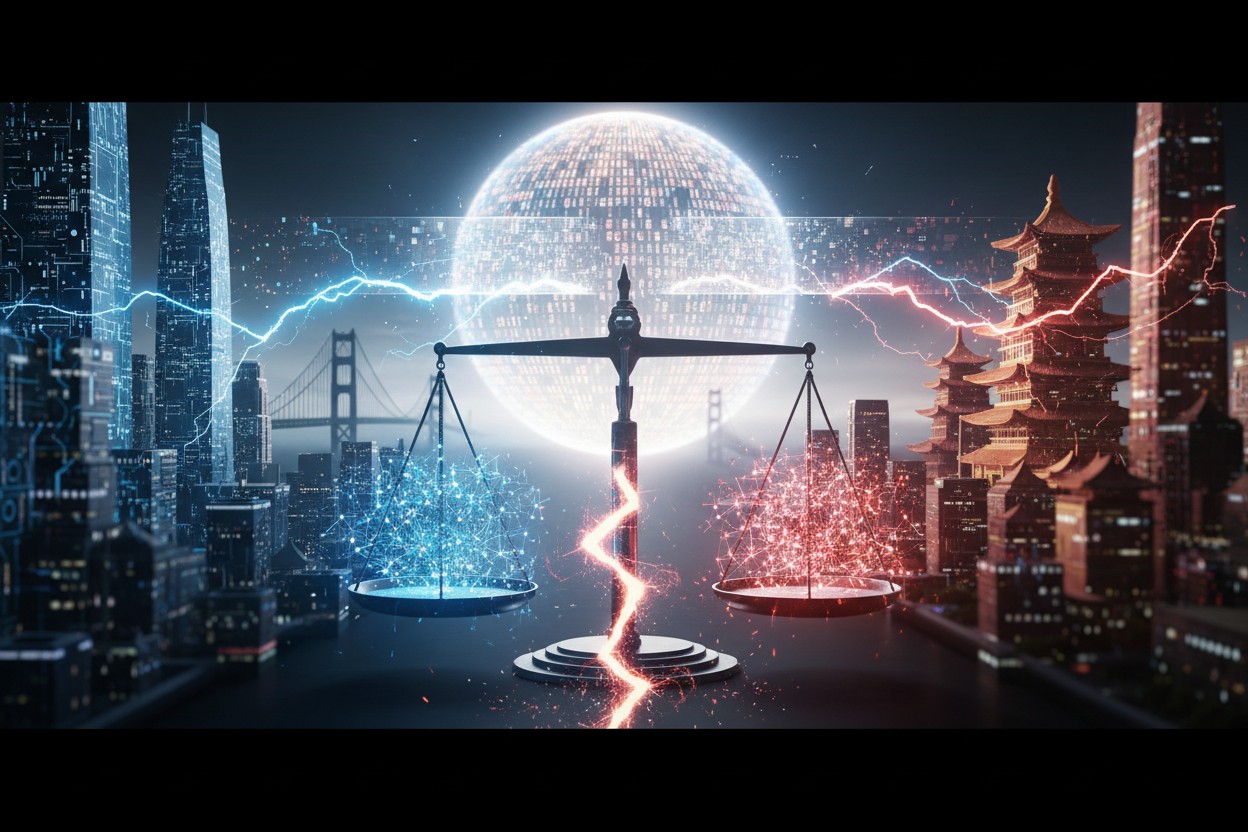
Analysts and diplomats say the long-debated package highlights growing divisions within the bloc as sanctions increasingly clash with member states’ economic interests. “There’s no more low-hanging fruit, with 20 packages done,” one EU diplomat told Politico, indicating the growing difficulty in reaching consensus. Some say the standoff exposes the fact that there was never actual unanimity on sanctions, and that former Hungarian Prime Minister Viktor Orban’s departure has “deprived other EU capitals of a convenient shield” and “exposed” underlying disagreements. [1] [4]
Finnish MEP Ville Niinisto told Politico: “It has been a surprise and a disappointment how many member states have stalled in their actions.” Another diplomat said: “Orban was difficult, but he never actually blocked whole packages.” [1] The package comes as the EU continues to face soaring energy costs after slashing most Russian energy imports following the escalation of the Ukraine conflict, and according to consultancy Wood Mackenzie, risks entering the upcoming heating season with its lowest gas reserves in 15 years. [1]
Energy context and outlook
The bloc still imports Russian LNG, which accounts for around 14% of its supplies, even as Brussels prepares to ban purchases under long-term contracts from January 1, 2027. The EU imported a record 9.89 million tons of LNG from Russia’s Yamal project in the first half of 2026, the Financial Times reported earlier this week. [5] This follows a broader trend: despite public pledges to phase out Russian energy, the EU purchased 97% of all shipments from the Yamal project in the first quarter of 2026, a 17% increase year-on-year. [6] Russia has also overtaken the United States as Europe’s primary gas supplier in certain months, a sign that sanctions have not fully altered trade flows. [7]
Moscow has long maintained that the sanctions will not alter its political course or have a decisive impact on its economy, while analysts have warned that the measures largely backfire on those that impose them. [1] German Chancellor Friedrich Merz admitted in July 2026 that Germany’s prolonged energy crisis was caused by the loss of Russian gas supplies, with German industry hit particularly hard by energy costs that are now the third-highest in the world. [8] The EU’s energy-intensive sectors are under mounting pressure, and the bloc is “not competitive” against global rivals, according to Belgian central bank governor Pierre Wunsch. [9]
References
- RT.com. "EU caves-in on new Russia sanctions – media". July 23, 2026.
- RT.com. "EU facing revolt over new Russia sanctions – FT". July 20, 2026.
- RT.com. "Key EU states oppose travel ban for Russian veterans – Bloomberg". June 26, 2026.
- RT.com. "EU fails to agree on Russia sanctions after days of talks – media". July 15, 2026.
- RT.com. "EU buying record Russian LNG volumes with total ban looming – FT". July 14, 2026.
- NaturalNews.com. "The great contradiction: EU buys record Russian gas despite vowing to stop". April 15, 2026.
- NaturalNews.com. "Russia overtakes US as Europe’s primary gas supplier despite ongoing sanctions". July 4, 2024.
- RT.com. "German energy crisis caused by ‘lack of Russian gas’ – Merz". July 20, 2026.
- RT.com. "EU ‘not competitive’ – Belgian central bank chief". May 4, 2026.
Explainer Infographic
Please contact us for more information.


