


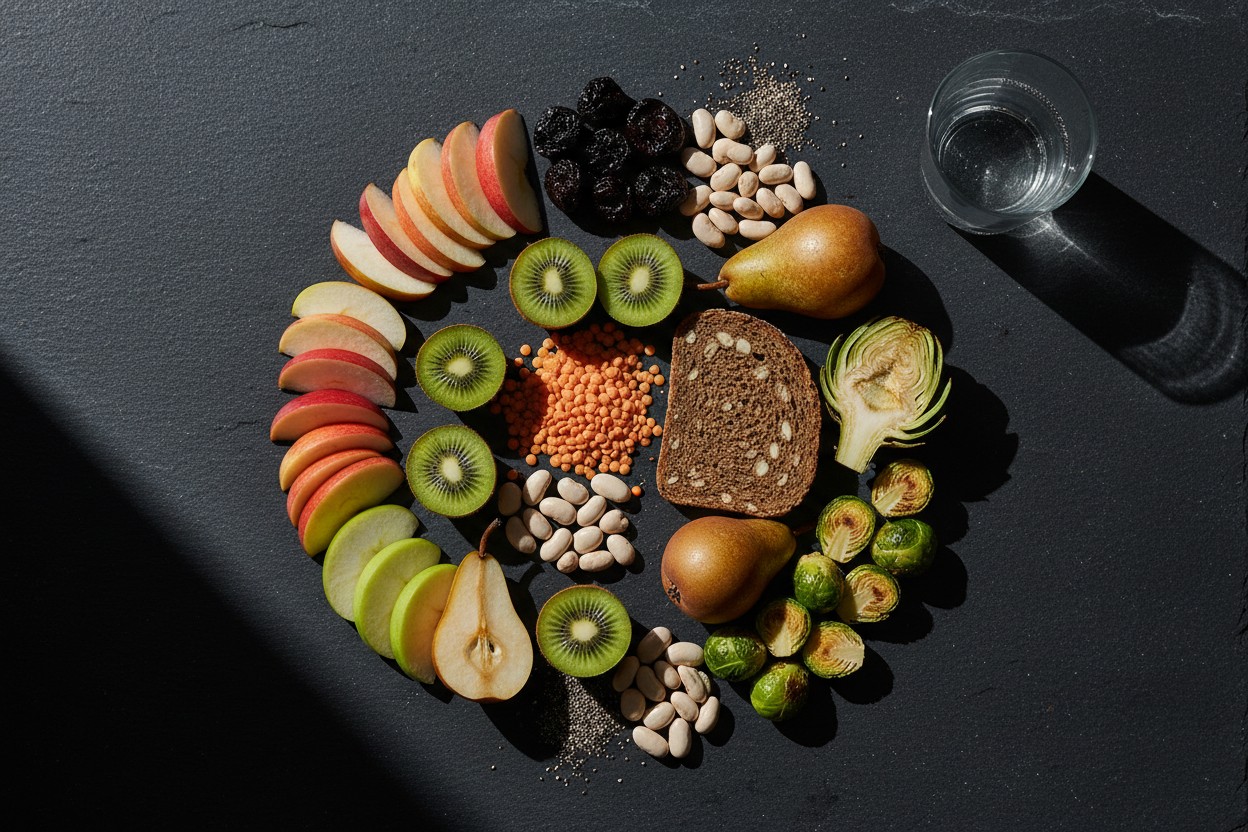
- Only 5% of Americans meet the daily fiber recommendation of 25-38 grams, creating a massive public health gap linked to chronic disease.
- Prebiotic fibers from foods like garlic, onions and dandelion greens feed beneficial gut bacteria, supporting digestion, immunity and metabolic health.
- Consumer confusion persists, with many mistakenly believing that all "whole grain" labeled products are good fiber sources.
- Gradual increases in fiber intake, combined with adequate water consumption, minimize digestive discomfort like gas and bloating.
- A fiber-rich diet is associated with reduced risks of heart disease, diabetes, obesity and certain cancers, as well as improved bowel health.
Closing the gap between knowledge and nutrition
In January 2014, researchers, educators and communications experts gathered in Washington, D.C., for a Food & Fiber Summit to address a startling public health paradox. Despite widespread consumer awareness that dietary fiber reduces risk for heart disease, stroke, hypertension, obesity, type 2 diabetes and certain cancers, only about 5% of Americans meet the Institute of Medicine’s daily recommendations of 19 to 38 grams depending on age and gender. The summit identified the core problem as confusion among the public about what foods provide good sources of fiber and how much to consume. The solutions, however, have never been simpler and are now reinforced by growing evidence that prebiotic fibers—specific types of fiber that feed beneficial gut bacteria—may offer even greater health advantages than previously understood.
Prebiotic power: The gut-body connection
Not all dietary fibers are created equal. Prebiotics such as inulin, fructo-oligosaccharides and galacto-oligosaccharides are fibers that humans cannot digest but which serve as food for healthy bacteria in the lower digestive tract. These compounds occur naturally in foods including dandelion greens, garlic, chicory root, onions, Jerusalem artichokes, bananas, whole oats and apples. Studies suggest that consuming 3 to 5 grams of prebiotics daily can benefit gut health by promoting the growth of beneficial microorganisms, which in turn support immune function, reduce inflammation and even aid calcium absorption for bone health.
The distinction matters because consumers frequently rely on packaged foods bearing “whole grain” labels, assuming they provide sufficient fiber. Research from an Omnibus Survey cited at the 2014 summit found that 85% of respondents expected products labeled “whole grain ingredients” to be good or excellent fiber sources. Yet an audit of the cereal aisle revealed that about one-third of ready-to-eat cereals carrying a whole-grain claim were not good sources of fiber at all. This misunderstanding, combined with the rising popularity of gluten-free diets that eliminate many fiber-rich grains, has exacerbated the national shortfall.
Simple strategies from the summit: Food first
Summit attendees developed three key strategies to help consumers close the fiber gap without overwhelm. First, nutrition communicators should offer short, specific and simple recommendations. For example, choosing a bowl of high-fiber cereal with fruit for breakfast, adding kidney beans to a green salad at lunch or enjoying broccoli as a side at dinner can push daily totals toward 25 grams without requiring major lifestyle changes. The key, experts noted, is to lead with food and flavor rather than technical nutrient discussions. Practical advice about tasty options—such as a bran muffin fresh from the oven or a colorful crunchy salad—resonates better than abstract talk about grams and fermentation.
Second, consumers should learn to read the Nutrition Facts panel to find foods with at least 3 grams of fiber per serving, the threshold for a “good source.” Checking labels is especially important for whole-grain products, as fiber content varies widely among grains themselves. Hulled barley provides 17.3 grams of fiber per 100 grams, while brown rice provides only 3.4 grams. Third, communicators must emphasize fiber’s benefits beyond digestive health. Many consumers associate fiber only with constipation relief, yet adequate intake supports weight management by increasing satiety, lowers cholesterol by reducing absorption of dietary fats, and may reduce the risk of colorectal cancer through fermentation by colonic bacteria.
A nutrient of concern for two decades
The Dietary Guidelines for Americans have identified fiber as a “nutrient of concern” since 2005, yet mean daily intake has risen only marginally from 15.1 grams in 2001-2002 to 16.2 grams in 2009-2010. The persistence of this gap carries significant economic consequences. A 2014 analysis found that increasing dietary fiber consumption by just 3 grams per day among half the adult population could save more than $2 billion annually in health care costs related to functional constipation alone. Achieving the full recommended 25 grams per day could save an estimated $12.7 billion annually. These figures, however, likely underestimate total savings, as adequate fiber intake also reduces costs associated with diabetes, heart disease and certain cancers.
A call for consistent messaging and gradual change
The 2014 summit’s findings remain urgent today. While fiber supplements exist, whole foods remain superior because they provide a variety of fiber types as well as vitamins, minerals and antioxidants that supplements cannot replicate. Experts recommend adding fiber slowly over several weeks and drinking plenty of water to allow the digestive system to adjust. Gas and bloating, often cited as barriers to increasing fiber, are normal signs that fermentation is occurring—a process responsible for many of fiber’s health benefits. Healthcare professionals, nutrition communicators and food manufacturers all share responsibility for delivering consistent, food-first messages. For consumers, the path forward is clear: eat fruits and vegetables with their skins intact, choose whole grains that actually deliver at least 3 grams of fiber per serving, and include prebiotic-rich foods like garlic, onions and bananas daily. The body’s beneficial bacteria—and overall health—depend on it.
Sources for this article include:












Please contact us for more information.


