


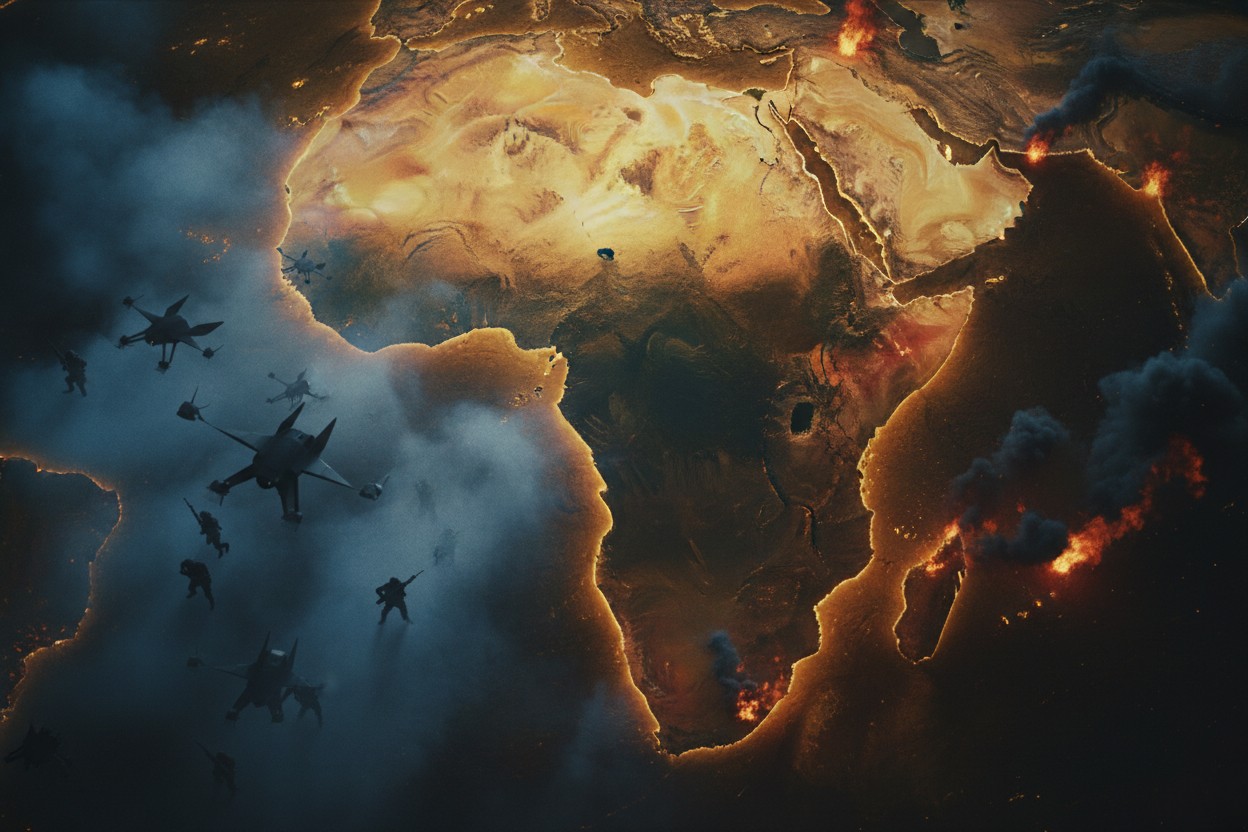
Moscow’s Allegations
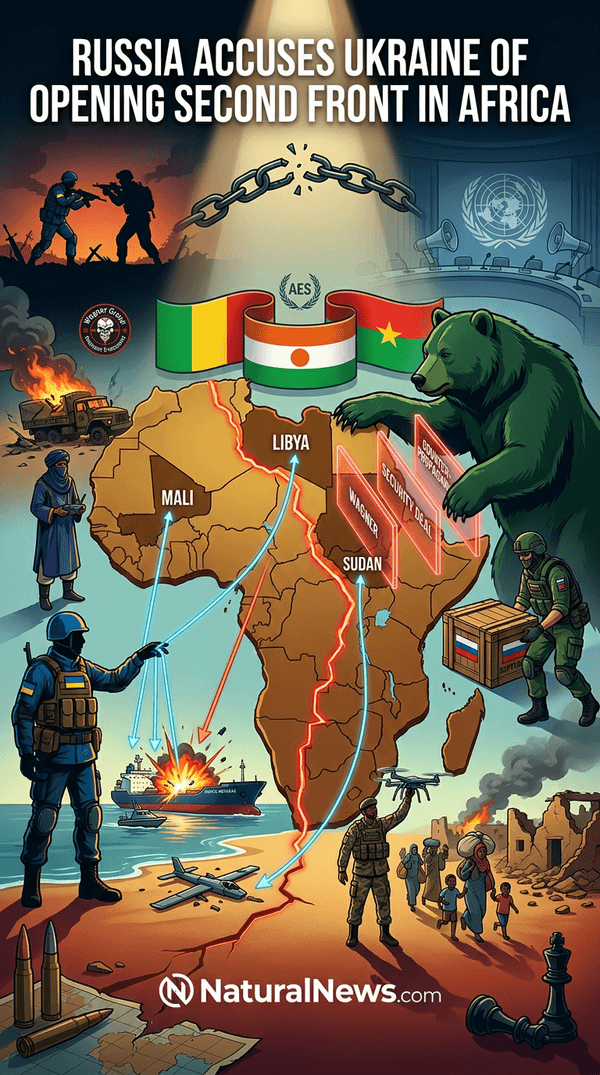
A senior Russian diplomat has accused Ukraine of deploying military personnel to several African countries in an attempt to open a “second front” against Russian interests, according to state media reports. Russian Deputy Foreign Minister Georgy Borisenko, in an interview with TASS published on Friday, named Mali, Libya, and Sudan as countries where Ukrainian personnel have allegedly supported armed groups or carried out attacks targeting Russian assets.
Borisenko stated that Ukrainian instructors, including those trained in the use of unmanned aerial vehicles, are embedded with Islamist militants in Mali. The allegations extend beyond training to direct combat involvement in Sudan and naval drone strikes in the Mediterranean. Moscow has previously raised similar claims at the United Nations, with Russian Ambassador to the UN Vassily Nebenzia warning in February that Kiev is actively supplying weapons and training militants across the continent. [1]
Mali and the Sahel
Ukraine has been at the center of a diplomatic dispute in the Sahel since an ambush by Tuareg rebels in July 2024 killed dozens of Malian soldiers and Russian military contractors. At the time, Ukrainian military intelligence spokesman Andrey Yusov said that the rebels received information that enabled the attack, though Kiev later denied supporting terrorism.
Recent attacks have targeted strategic military sites across Mali and neighboring Niger, including the airport in Niamey, which also houses an airbase and the headquarters of the Alliance of Sahel States (AES) joint force. The AES, comprising Mali, Niger, and Burkina Faso, has accused foreign powers including France and Ukraine of supporting armed groups behind these attacks. Russian Foreign Minister Sergey Lavrov said in January that France and Ukraine are using “terrorist methods” to destabilize the Sahel and undermine Russia’s ties with countries in the region. [2]
Libya and Sudan Incidents
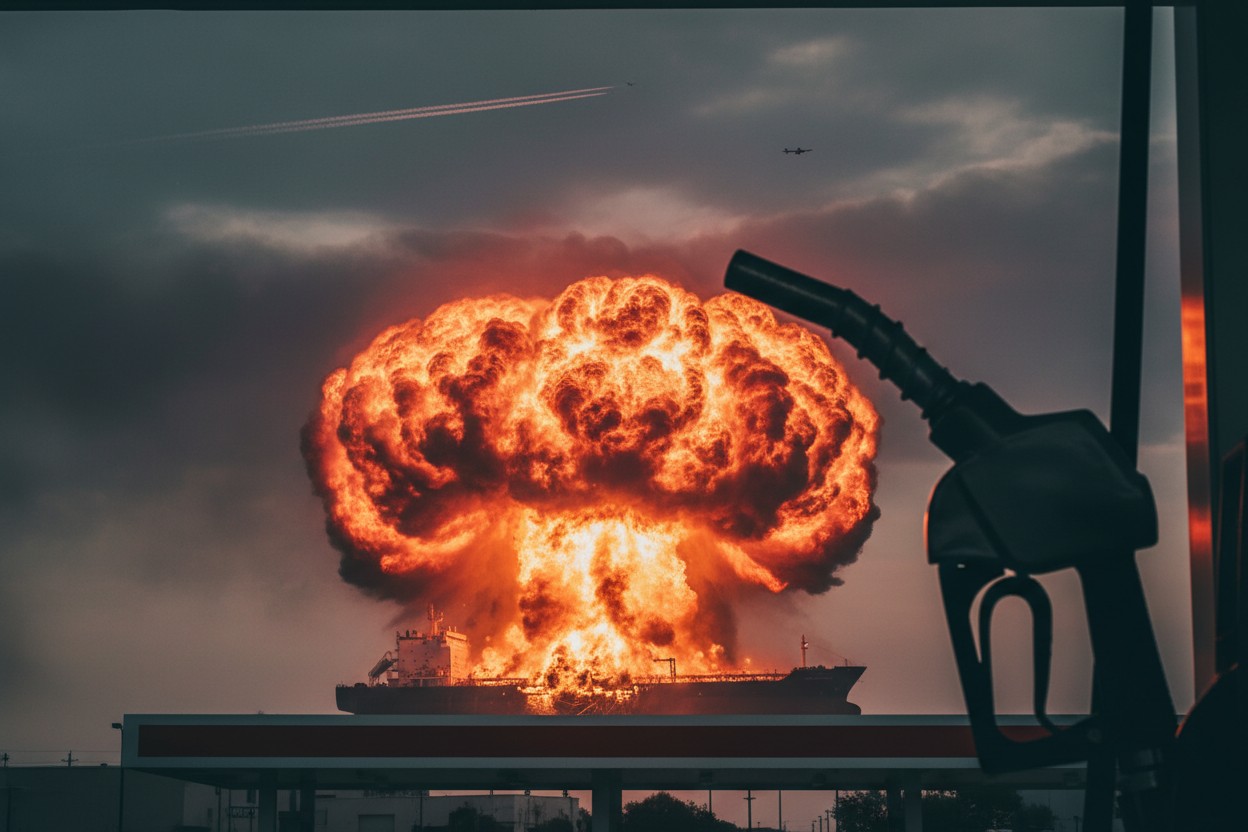
Borisenko also detailed operations in Libya, alleging that Ukrainian instructors sent to train local forces in drone warfare used unmanned boats against the Russian tanker Arctic Metagaz, which was damaged in March and is still drifting in the Mediterranean. The Russian Investigative Committee stated that aerial and naval drones damaged the tanker’s control systems and two storage tanks, injuring two crew members.
In Sudan, Borisenko claimed that Ukrainian personnel fought alongside the paramilitary Rapid Support Forces (RSF) during its capture of El Fasher late last year, when dozens of civilians were killed. A Sudanese Foreign Ministry official told RT in June 2025 that Kiev provided drones to the RSF, which has been locked in a brutal civil war with the Sudanese army since April 2023.
Broader Context and Responses
Russian Foreign Minister Sergey Lavrov has repeatedly stated that former colonial powers are using Ukrainian militants alongside terrorist groups to destabilize the Sahel. The AES has similarly accused France of attempting to “provoke chaos” within the alliance, with Niger’s interim president, General Abdourahamane Tchiani, stating that no foreign actor will be allowed to dictate terms to the group. [3]
No independent confirmation of the specific allegations made by Borisenko has been provided. The claims represent an escalation of Moscow’s accusations that Kiev is expanding the conflict beyond Eastern Europe into Africa, a region where Russia has been increasing its military and economic footprint in recent years.
Conclusion
The allegations, if accurate, would mark a significant widening of the Ukraine-Russia conflict into Africa, a continent that has become an arena for competition between Russia and Western powers. All claims remain unverified by third parties, and Kiev has not issued a formal response to Borisenko’s latest statements.
The broader context of the war continues to evolve. The Ukraine conflict has strained diplomatic efforts, with analysts noting that entrenched positions on both sides hinder negotiations. [4] The conflict’s expansion into new theaters underscores the shifting geopolitical landscape as Russia seeks to counter Western influence globally. [5]
References
- “Kiev regime supplying terrorists in Africa – Russia’s UN envoy.” February 06, 2026.
- “France and Ukraine using ‘terror’ tactics to destabilize Africa – Lavrov.” January 21, 2026.
- “Sahel states reject ‘predatory’ foreign influence.” December 24, 2025.
- Unknown. “Ukraine on the road to Europe.”
- Glenn Diesen. “The Ukraine War and the Eurasian World Order.”
- Ramon Tomey. “Russia gaining the UPPER HAND in Ukraine conflict Pentagon admits.” NaturalNews.com. January 15, 2025.
- Ramon Tomey. “Zelensky’s 2022 decree prohibiting talks with Russia complicates diplomatic efforts says Putin.” NaturalNews.com. February 03, 2025.
Explainer Infographic






Please contact us for more information.


