



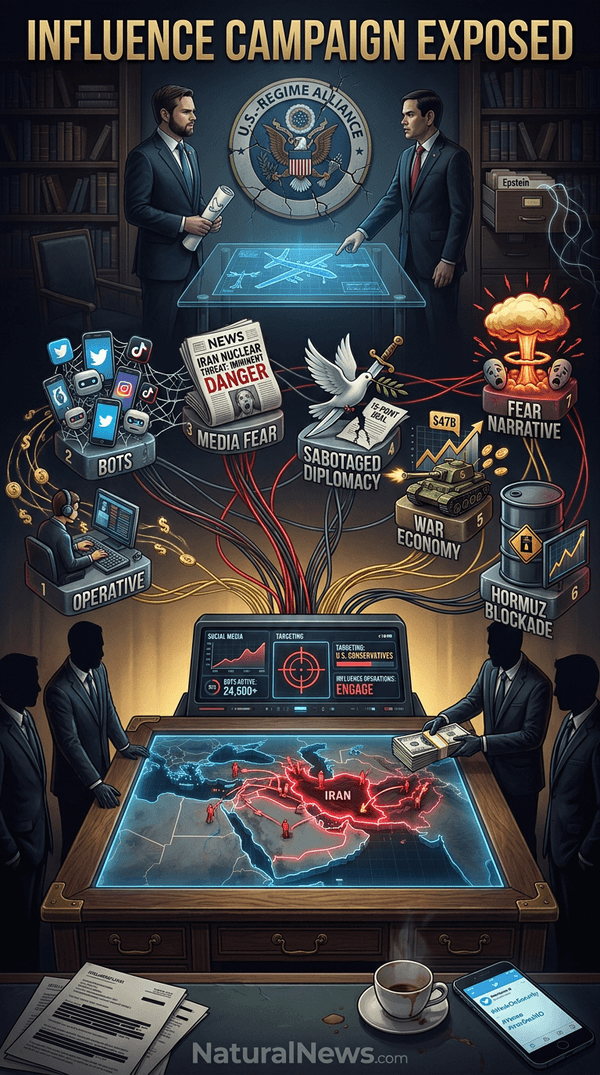
Citing a report from Time magazine, Vance said the Israeli government allegedly paid Brad Parscale, a former Trump campaign digital director, to execute an influence campaign targeting U.S. conservatives. [1] "There is a very coordinated effort by some Israeli officials to try to get the United States to stay in this war indefinitely," Vance said on the podcast, according to Middle East Eye.
The vice president argued that the campaign involved manipulating American public opinion and leaking information to journalists to undercut his diplomatic efforts with Tehran. [1] The accusation marks a significant public break between a senior Trump administration figure and Israel's leadership, which has vocally opposed any negotiated settlement with Iran.
Details of Alleged Influence Campaign
Vance claimed that the effort to derail the negotiations was designed to sabotage his pursuit of a deal with Iran that he said was based on guidelines set by President Donald Trump. He described the operation as involving coordinated leaks to journalists and social media attacks intended to weaken his position. "My response is 'go to hell,'" Vance stated, referring to those behind the campaign, according to the Middle East Eye report. [1]
According to Vance, the purported influence operation sought not only to discredit his diplomacy but also to pressure Trump into resuming large-scale military operations against Iran. The allegations come weeks after Trump and Iranian officials signed a memorandum of understanding (MOU) on June 17 to end direct hostilities, a deal that Israeli Prime Minister Benjamin Netanyahu's government has publicly condemned as a surrender to Tehran. [2] The vice president's remarks suggest deep distrust between Washington and Tel Aviv over the direction of Iran policy.
Contrasting Administration Positions
Vance's accusations contrast sharply with reports that other parts of the Trump administration are leaning toward expanding military operations in Iran. The Wall Street Journal reported that the president is considering airstrikes and even ground force deployments, though Vance insisted the United States will not send 150,000 ground troops for regime change. "The Strait of Hormuz is the problem," Vance argued, saying that Iran's closure of the strait since February makes a diplomatic resolution necessary to restore global energy flows. [3]
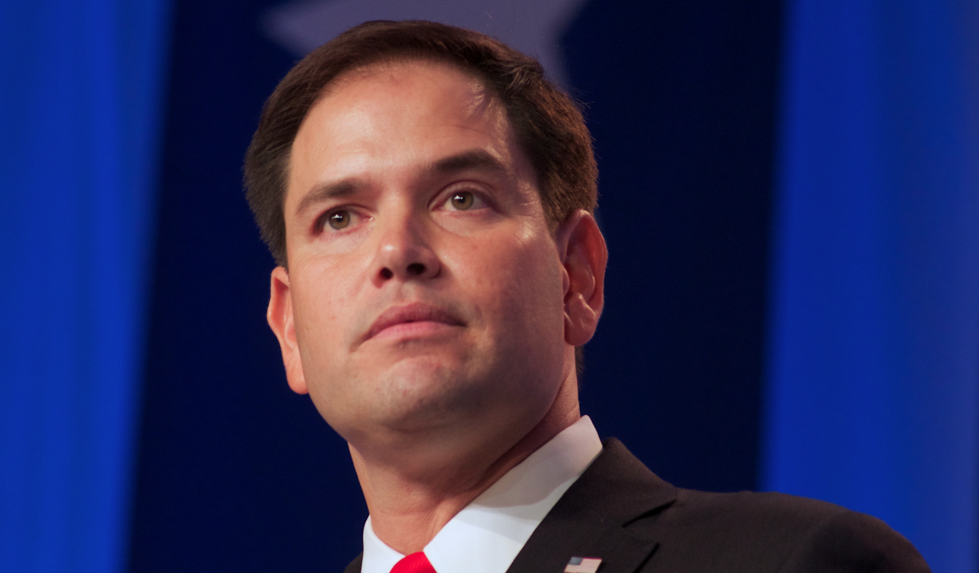
Vance has emerged as the primary advocate for the diplomatic track, telling Fox News in June that the memorandum of understanding (MOU) is "a home run for the American people" and that Israel may not like it but the United States will pursue it regardless. [4] Meanwhile, Secretary of State Marco Rubio has been reported by outlets such as Antiwar.com to be pursuing policies aligned with Israeli hard-liners, reflecting a split within the Trump administration over how to handle Iran and its proxies. [5]
Vance on Antisemitism Claims and Epstein
During the Rogan interview, Vance also addressed accusations that his critical posture toward certain Israeli policies amounted to antisemitism. He denied the charge, arguing that a candid U.S.-Israel relationship is necessary and does not reflect hostility toward Jewish people. According to Middle East Eye, Vance said, "There are a lot of Jewish people in this country who are not big fans of Israel, which is something that they've never been able to explain to me." [1]
Vance also discussed the Jeffrey Epstein case, stating that the deceased financier had connections to the "highest levels" of U.S. and Israeli intelligence. He noted that Epstein was more connected to Israel's center-left than its center-right. [1] The vice president's comments on Epstein echo long-standing allegations from independent journalists that Epstein's network extended into intelligence agencies, though the assertions have not been confirmed by official investigations.
Broader Context and Reaction
The Israeli government had not issued an official response to Vance's accusations at the time of reporting. The accusations come amid growing friction between the Trump administration and Israel over the pathway to ending the war with Iran. A report from NaturalNews.com detailed how Netanyahu persuaded Trump to launch Operation Epic Fury in February 2026 despite skepticism from top U.S. advisers including Central Intelligence Agency Director John Ratcliffe and Secretary of War Pete Hegseth. [6]
Vance's shift from being described in the Trends Journal as an "Israel ultra hawk" during the 2024 campaign to now accusing Israeli officials of war-prolonging machinations underscores the changing dynamics within the Republican coalition. [7] The vice president has repeatedly warned Israel that Trump is "your only ally left" and that continued obstruction of the peace process could erode U.S. support. [8] The internal division raises questions about the durability of the MOU and the future of American involvement in the Middle East.
References
- Oscar Rickett. "JD Vance says Epstein had connections to CIA and Mossad." Middle East Eye. July 16, 2026.
- David Hearst. "Trump's U-turn on Iran war has ended Israel's Middle East dream." Middle East Eye. June 17, 2026.
- Willow Tohi. "Diplomatic Standoff: U.S. and Iran Dig In After High-Stakes Talks Fail." NaturalNews.com. April 15, 2026.
- "Vance declares U.S. will pursue Iran nuclear deal with or without Israel's approval." NaturalNews.com. June 9, 2026.
- Harrison Berger. "Marco Rubio Helps Israel Pursue Goal of Civil War in Lebanon." Antiwar.com. July 2, 2026.
- Willow Tohi. "Inside the Iran War Decision: How Netanyahu Sold Trump on a Conflict His Own Advisers Called 'Farcical'." NaturalNews.com. May 5, 2026.
- "Trends-Journal-2024-07-30." Trends Journal. July 30, 2024.
- MEE staff. "Vance tells Israel Trump is 'your only ally' left as Iran talks postponed." Middle East Eye. June 19, 2026.
Explainer Infographic








Please contact us for more information.


