


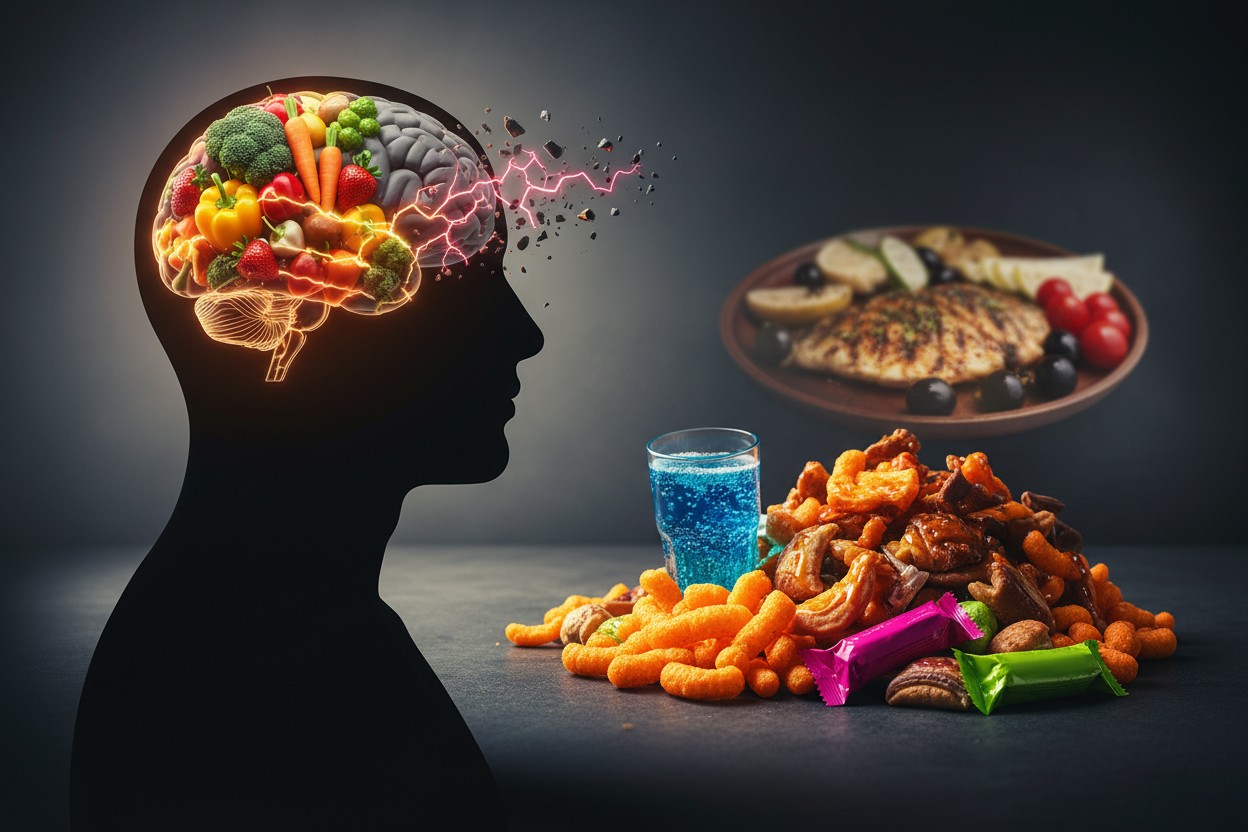
- A major European study found that people who consume ultra-processed foods carry a distinct metabolic signature in their blood, detectable through 22 circulating compounds and eight blood fats
- Higher ultra-processed food intake was linked to lower levels of DHA, a critical omega-3 fatty acid essential for brain health and inflammation control
- Industrial trans fats, known as elaidic acid, appear in the bloodstream at measurable levels after consuming processed foods, confirming these fats remain in circulation
- Protective cell membrane compounds called sphingomyelins and phosphatidylcholines declined as ultra-processed food consumption increased, even in people who were not overweight
- The World Health Organization recommends limiting trans fat intake to less than 1% of total energy, or about 2.2 grams daily for a 2,000-calorie diet
The food you eat leaves a chemical record
Every packaged snack, fast-food meal or sweetened drink you consume leaves a measurable chemical trail in your bloodstream, according to a new large-scale study that may change how researchers understand the relationship between diet and chronic disease.
The study, published from the European Prospective Investigation into Cancer and Nutrition, analyzed blood samples from more than 15,000 participants across multiple European countries. Researchers found that people who consumed higher amounts of ultra-processed foods carried a distinct metabolic fingerprint—22 circulating blood compounds and eight blood fats that differed significantly from those who ate fewer processed items.
The findings arrive as global rates of heart disease, diabetes and obesity continue climbing. Ultra-processed foods now account for more than half of daily calorie intake in many Western nations. The World Health Organization estimates that more than 278,000 deaths annually are attributable to industrially produced trans fats alone.
What ultra-processed foods do to cellular chemistry
Ultra-processed foods are industrial formulations containing additives such as flavorings, emulsifiers, sweeteners and colorings. The study used the Nova classification system to categorize foods by processing degree, defining Nova 4 items as those requiring industrial processing.
The analysis, which adjusted for age, sex, body weight, physical activity, smoking, alcohol use and other dietary factors, revealed that ultra-processed food consumption was associated with measurable declines in protective nutrients.
DHA, the omega-3 fatty acid primarily found in fatty fish, showed a clear inverse relationship with ultra-processed food intake. Higher consumption meant lower circulating DHA levels. DHA plays a central role in brain function, heart protection and inflammation regulation. The body produces only small amounts on its own, making dietary sources essential.
Protective cell membrane compounds—sphingomyelins and phosphatidylcholines—also declined. These compounds, found naturally in dairy, eggs, fish, whole grains and nuts, maintain cell membrane integrity and support cell signaling and energy regulation.
Trans fats: The industrial additive that stays in circulation
The study confirmed that industrial trans fats, specifically elaidic acid, appear in the bloodstream at measurable levels after consuming ultra-processed foods. Elaidic acid forms when hydrogen is added to liquid vegetable oils to create solid fats—a process called partial hydrogenation.
This finding contradicts any assumption that such fats simply pass through the body. Instead, they remain in circulation, where they interfere with fat processing. Industrial trans fats raise LDL cholesterol, lower HDL cholesterol and have been linked to insulin resistance and cardiovascular disease.
The World Health Organization has recommended eliminating industrially produced trans fats from the global food supply entirely. Trans fat intake increases the risk of death from any cause by 34 percent, coronary heart disease deaths by 28 percent and coronary heart disease by 21 percent, according to WHO data.
Common sources of industrial trans fats include margarine, vegetable shortening, fried foods, baked goods such as crackers, biscuits and pies, and many street and restaurant foods.
The omega-6 imbalance and metabolic disruption
While omega-3 levels declined with ultra-processed food consumption, omega-6 fatty acid derivatives rose. Researchers noted that these compounds were not directly consumed in large amounts from processed foods but appeared to be produced internally as the body converted excess linoleic acid from refined vegetable oils.
Omega-6 and omega-3 pathways compete for the same enzymes in the body. When omega-6 intake is high and omega-3 intake is low, the balance tips toward producing more pro-inflammatory molecules.
The study also found elevated levels of acylcarnitines, compounds associated with the body struggling to burn fat efficiently, in higher consumers of ultra-processed foods. This suggests the metabolic impact extends beyond fat storage to how well cells convert fat into usable energy.
Previous research supports these findings. An umbrella review published in the medical literature examining 26 studies found that ultra-processed food consumption was associated with increased risk of all-cause mortality, Type 2 diabetes, cardiovascular disease, cancer and mental disorders in adults.
What history teaches about processed fats
The relationship between processed fats and human health has been documented for decades. In the 1950s, researcher Johanna Budwig demonstrated that hydrogenated fats could damage cell membranes and disrupt cellular electrical fields.
Dr. Brian Olshansky, professor of internal medicine, has described trans fatty acids as compounds the body does not know how to process. Normal fats remain supple and pliable, while trans fatty acids are stiff fats that can accumulate and disrupt normal function.
The food industry began using hydrogenated oils because they are cheaper than healthier alternatives and extend product shelf life. Trans fats remain solid at room temperature, making them suitable for processed foods. However, WHO data confirm that industrially produced trans fats can be eliminated and replaced with healthier oils without changing cost, taste or food availability.
Practical steps for reducing ultra-processed food intake
The same study points toward what a protective dietary pattern looks like. The foods associated with higher levels of protective compounds are those that ultra-processed foods tend to displace.
Add fatty fish twice weekly: Salmon, sardines, mackerel and anchovies provide reliable dietary sources of DHA
Include whole dairy: Full-fat dairy products supply sphingomyelins and margaric acid naturally
Avoid partially hydrogenated oils: Check labels for hydrogenated or partially hydrogenated oils in packaged foods
Use whole-food fats: Olive oil, avocado oil, nuts and seeds help rebalance omega-6 to omega-3 ratios
Prioritize whole foods: Building meals around minimally processed foods naturally reduces ultra-processed food intake
The metabolic fingerprint speaks clearly
The science on ultra-processed foods continues emerging, and this study does not prove that these foods directly cause disease. What it demonstrates is that diet leaves measurable traces in human blood—traces that indicate whether the foods consumed are supporting or undermining long-term health.
The metabolic fingerprint associated with ultra-processed foods appeared even in people who were not overweight. This suggests that weight alone does not reliably determine whether a diet is working.
The more useful question, the research suggests, is whether the foods being eaten are building the kind of internal chemistry that supports long-term health—or leaving a chemical record that tells a different story entirely.
Sources for this article include:










Please contact us for more information.


