


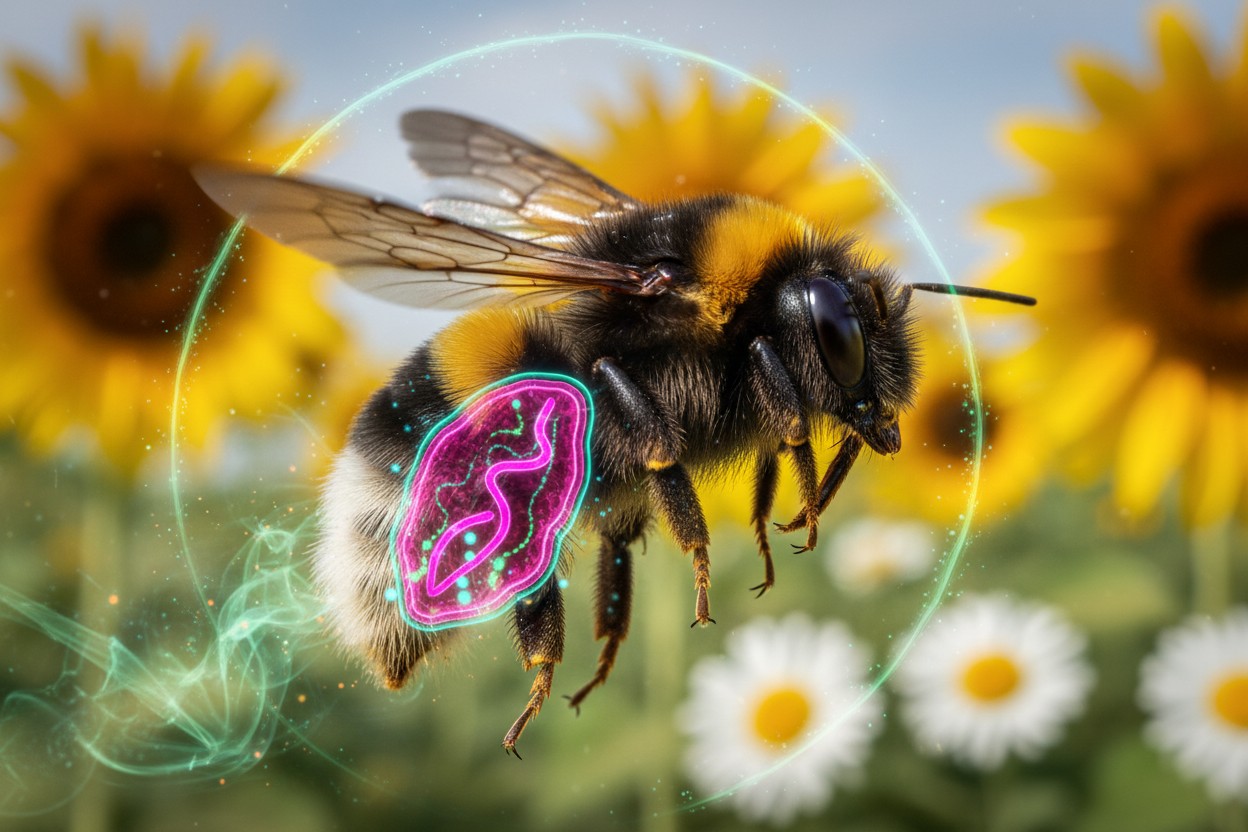
Bumblebees pollinate about one-third of global food crops, the report stated. Sulfoxaflor, introduced in 2013 to control sap-feeding pests on crops such as soybeans and corn, is known to be toxic to bees, but the new research focuses on sublethal reproductive effects at the molecular level.
Study Methods and Findings
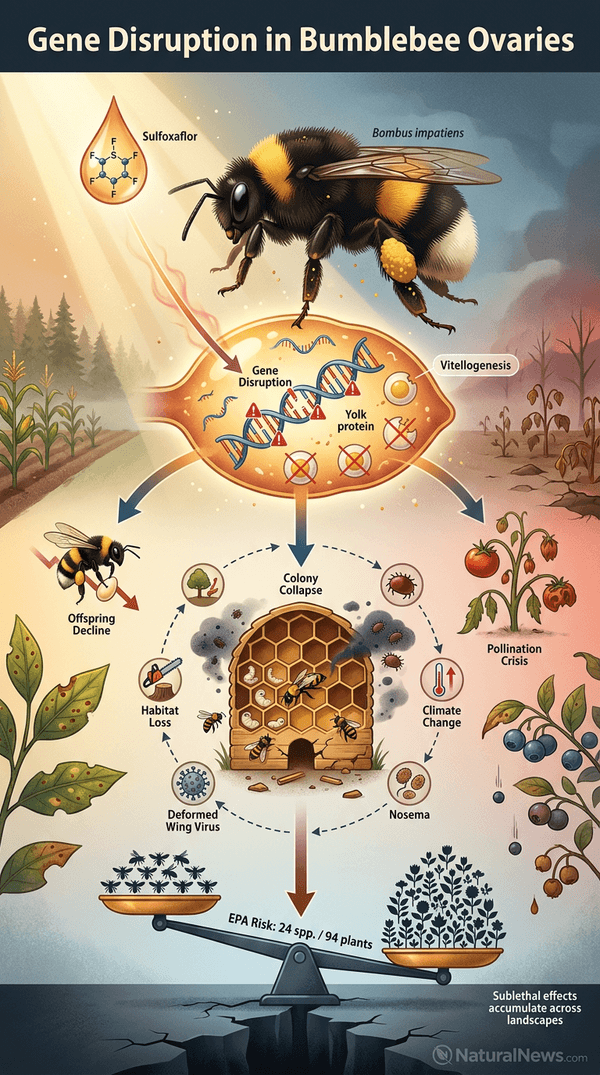
Worker bumblebees of the species Bombus impatiens were exposed to low concentrations of sulfoxaflor. Researchers then flash-frozen bee tissues and analyzed RNA to measure changes in gene activity, using computational models to identify affected biological systems. The largest changes appeared in ovarian tissue, indicating the pesticide may interfere with reproductive processes.
According to the study, the gene expression alterations could reduce the number of offspring produced over time. Michael Goodisman, a professor in the School of Biological Sciences at Georgia Tech, said in a university statement that the research connects molecular changes to real-world consequences for individual bees and their colonies. The findings were published in the journal Ecotoxicology and Environmental Safety.
Implications for Agriculture and Bee Populations
Sulfoxaflor is classified as a sulfilimine insecticide and is chemically related to neonicotinoids, a class of pesticides widely linked to bee declines. According to a 2022 biological evaluation from the U.S. Environmental Protection Agency, sulfoxaflor potentially puts 24 species of insects at risk of extinction and jeopardizes 94 plant species that depend on insect pollinators. [1] Researchers from the University of Texas at Austin reported in 2020 that sulfoxaflor and flupyradifurone have harmful effects on bees similar to those of neonicotinoids. [2]
Pesticides are one of multiple stressors facing bumblebees. Studies have shown that sulfoxaflor can impair bees' optomotor response and damage their nervous systems. [3] The book "Food Forensics" notes that sulfoxaflor, along with other neonicotinoids, has been rolled out as an insecticide and that studies on its full impact on health are still emerging. [5] Sarah Orr, lead researcher on the new study and now an assistant professor at the University of Tampa, stated that maintaining healthy bee populations is essential for successful pollination and that reduced offspring production could lead to pollination decline.
Outlook and Research Needs
The findings highlight a central tension in modern agriculture: the need to control crop pests while protecting beneficial insects. Integrated pest management strategies, which combine biological, cultural, and chemical controls, may offer pathways to reduce reliance on broad-spectrum insecticides. [4] Orr said that her goal is to identify practical solutions that support pest management while protecting beneficial insects.
According to the study, further research into exposure levels, timing, and mitigation strategies such as alternative pest management or reduced application rates may be necessary. The ongoing decline of bee populations, driven in part by pesticides, threatens the pollination of 75% of the world's food crops, according to earlier reports. [6] Without sufficient bee reproduction, food production could be jeopardized, the researchers stated.
References
- ChildrensHealthDefense.org. "100 Species at Risk of Extinction From New Insecticide Sulfoxaflor, EPA Finds." July 21, 2022.
- NaturalNews.com. "Two pesticides approved for agricultural use in the US can harm bees warn researchers." October 20, 2020.
- NaturalNews.com. "Study: Pesticides are highly damaging to beneficial insects like bees." August 24, 2022.
- Abrol Dharam P. "Integrated Pest Management: Current Concepts and Ecological Perspective."
- Mike Adams. "Food Forensics."
- ChildrensHealthDefense.org. "Neonicotinoids: The Toxic Pesticide That’s Killing Bees and Threatening Global Food Security."
Explainer Infographic









Please contact us for more information.


