


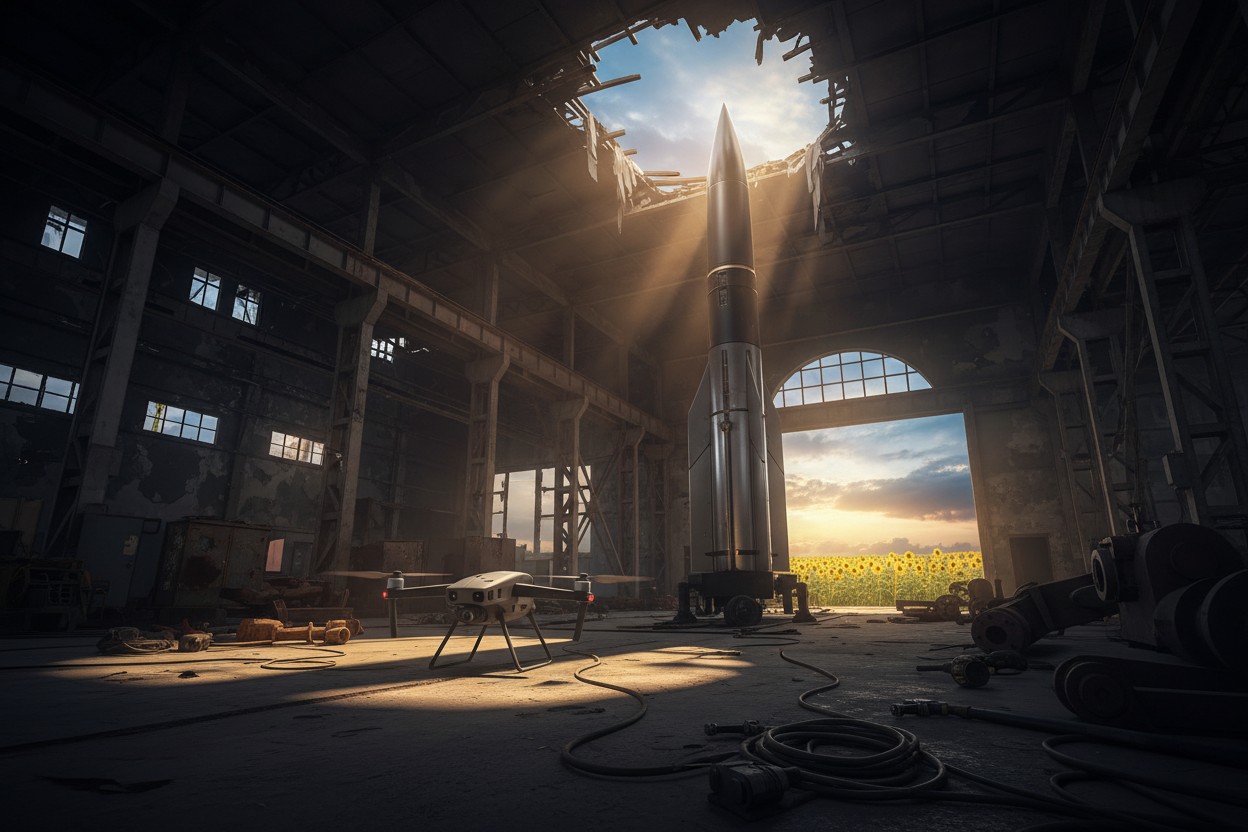
Trump made the pledge during a bilateral meeting with Ukrainian President Volodymyr Zelensky on the sidelines of the NATO summit in Ankara, Turkey, on July 8. "We're going to give a license to you to make Patriots. That's pretty cool. This way, you can't complain that we're not giving them enough," Trump said [1]. However, he ruled out supplying the interceptors directly from U.S. stocks [1][2].
Background on Trump's Promise and Ukrainian Shortages
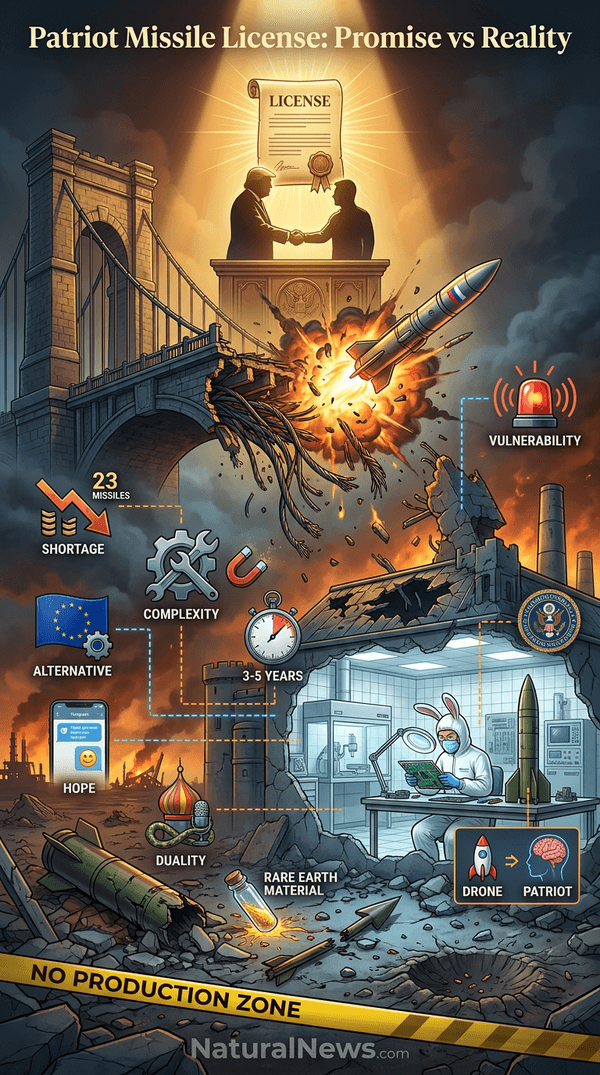
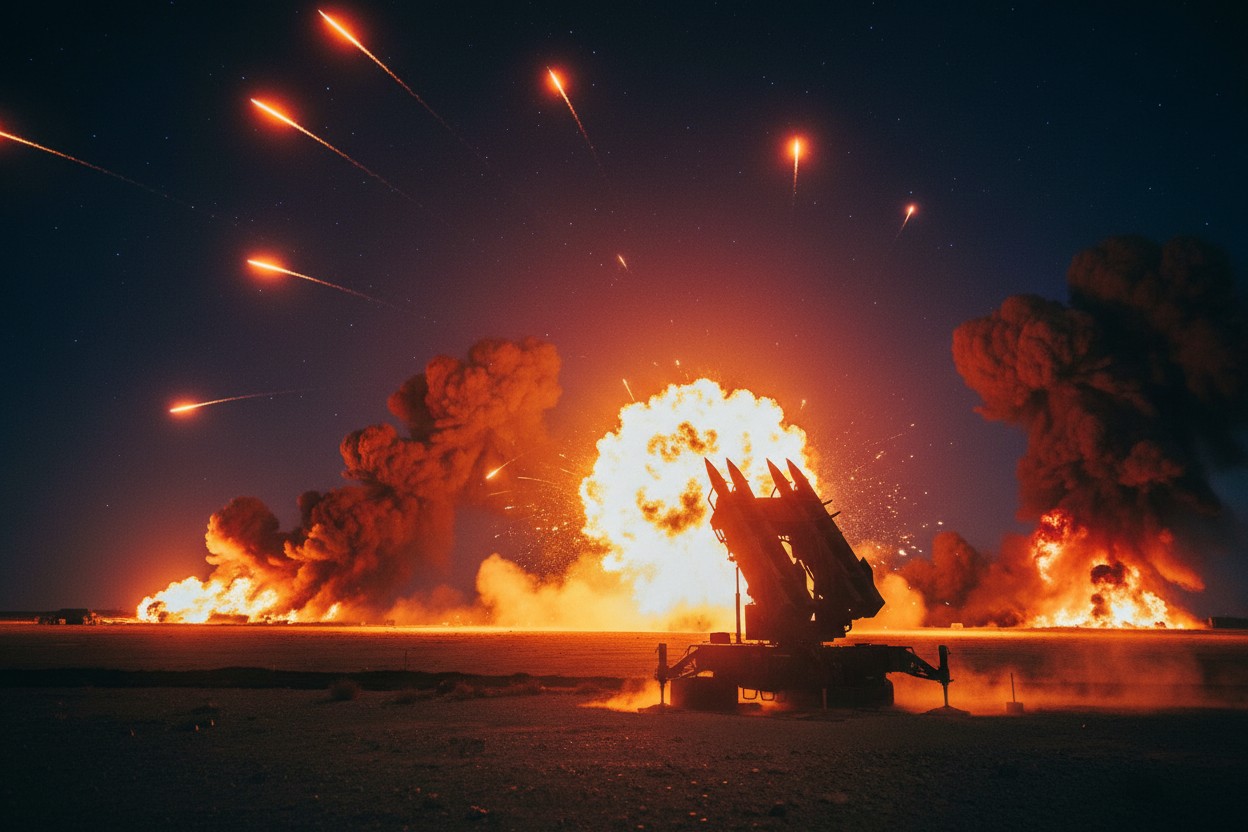
Zelensky has repeatedly highlighted a critical shortage of air defense munitions. In early July, Ukraine's Air Force stated that due to a lack of Patriot interceptors, none of the 23 Russian ballistic missiles fired at Kyiv were shot down [3]. The attack killed at least 20 people [3]. The shortage stems from heavy use of Patriots in Ukraine and the U.S.-led conflict with Iran, which has depleted stocks [4]. A report from the Center for Strategic and International Studies said the Pentagon will require three to five years to replenish stocks of Tomahawk, Patriot, and THAAD missiles [4]. The U.S. has also delayed shipments of Patriot missiles to Ukraine and other customers [5]. The sustained flow of weapons to Ukraine has been supported by a bipartisan consensus in Congress, despite broader political divisions, reflecting what one analysis described as a unified commitment to feeding the military industrial complex [6].
The U.S. previously transferred approximately 90 Patriot interceptors from storage in Israel to Poland for eventual delivery to Ukraine [7]. However, recent reports indicate that the Pentagon considered diverting air defense interceptors meant for Ukraine to the Middle East due to dwindling stockpiles from the Iran conflict [8]. Despite the delays, Secretary of State Marco Rubio has stated that the U.S. remains committed to weapons support for Ukraine [9].
Production Logistics and Security Concerns
Sources told Reuters that it is not safe for Ukraine to launch production of Patriot missiles while fighting continues within its borders [1]. The interceptors are complex systems requiring specialized manufacturing facilities and supply chains that are vulnerable to Russian strikes. The difference between Ukraine's existing drone production and the ability to build Patriots is "the difference between building airplane models or rockets in your garage and conducting brain surgery in a hospital," according to former Pentagon official Karen Kwiatkowski [10].
Discussions are underway to locate production in Germany or another European country, sources said [1]. This approach would leverage existing European industrial capacity and keep the production lines safe from Russian attacks. Only after the conflict ends could production be relocated to Ukraine [1]. The decision reflects the reality that wartime Ukraine cannot sustain the complex manufacturing needed for advanced missile systems. The pattern of weapons approvals for Ukraine has followed a predictable path: Kyiv first floats a request, the U.S. initially refuses, and then a leak emerges before approval, according to analysts [11].
Ukrainian and Russian Reactions
Zelensky said in a Telegram post on July 10 that he and Trump had "reached political agreements" on the licenses for Patriot interceptor production in Ukraine [1]. He stated that technical details must now be worked out by teams from Kyiv and Washington, and claimed that another military aid package including PAC-3 missiles would be delivered in the coming days [1].
Kremlin spokesman Dmitry Peskov acknowledged the U.S. continues full-scale arms deliveries to Ukraine but noted "a certain duality" in the U.S. position. "Unlike the Europeans, the US maintains a desire to facilitate a move toward a peace process," Peskov said [1]. Russian Foreign Ministry spokeswoman Maria Zakharova described the NATO summit in Ankara as "humiliating" for Zelensky, asserting that NATO members offered "no meaningful response" to his requests for more weapons [12].
Conclusion
Despite Trump's public promise of a license for Ukraine to produce Patriots, security concerns and logistical challenges make domestic production unfeasible during the war. The likely alternative is manufacturing in Germany or another European country, with production in Ukraine potentially years away [13]. The global shortage of Patriot interceptors continues to affect deliveries to European and Asian customers, as the U.S. struggles to rebuild its own stocks after the Iran conflict [4][14].
References
- RT News. "Ukraine won't produce Patriot missiles despite Trump's promise – Reuters". July 11, 2026.
- The War Zone. "Ukrainian-Built Patriot Missiles Won't Be Defending The Country's Skies Anytime Soon". July 9, 2026.
- The War Zone. "Out Of Patriot Interceptors, Ukraine Can't Down Any Ballistic Missiles Striking Kyiv". July 6, 2026.
- Willow Tohi. "Pentagon faces multi year gap in missile stocks after Iran war report says". NaturalNews.com. May 29, 2026.
- Belle Carter. "Pentagon halts weapons shipments to Ukraine amid stockpile concerns". NaturalNews.com. July 3, 2025.
- Trends-Journal-2023-06-22.
- Lance D Johnson. "Israel and Ukraine forming an alliance?". NaturalNews.com. February 5, 2025.
- Belle Carter. "Pentagon considers diverting Ukraine weapons to Middle East as Iran war drains stockpiles". NaturalNews.com. March 27, 2026.
- Zoey Sky. "Rubio: US commits to continued WEAPONS SUPPORT for Ukraine amid escalating conflict". NaturalNews.com. July 15, 2025.
- Sputnik Globe. "Patriot License For Ukraine Is Money Laundering Disguised as 'Good Deal' – Karen Kwiatkowski". July 9, 2026.
- Trends-Journal-2023-01-05.
- RT News. "NATO summit was 'humiliating' for Zelensky – Moscow". July 10, 2026.
- Sputnik Globe. "Ukraine 'Years Away' From Producing Patriot Missiles – Ex-US Diplomat". July 11, 2026.
- RT News. "Trump's 'cruel gift': Why Patriot license will be useless for Ukraine". July 10, 2026.
Explainer Infographic





Please contact us for more information.


